“We’re not doing this for the money,” Kelley Earnhardt agrees with Heather Gibbs’ NASCAR team’s philosophy in the lawsuit between 23XI Racing and Front Row Motorsports against NASCAR over the teams’ finances
In the high-stakes world of NASCAR, where multi-million-dollar machines roar around ovals at blistering speeds and fortunes are won and lost in fractions of a second, the business side of the sport often reveals a surprising truth: passion, legacy, and competition frequently outweigh pure profit. This sentiment was powerfully echoed recently by Kelley Earnhardt Miller, CEO of JR Motorsports, as she aligned herself with the philosophy shared by Heather Gibbs, co-owner of powerhouse Joe Gibbs Racing (JGR), amid ongoing discussions sparked by the landmark antitrust lawsuit filed by 23XI Racing and Front Row Motorsports against NASCAR.
The lawsuit, initiated in October 2024, brought intense scrutiny to NASCAR’s charter system, revenue sharing, and overall financial model for teams. 23XI Racing, co-owned by basketball legend Michael Jordan and driver Denny Hamlin, along with Front Row Motorsports, accused NASCAR of monopolistic practices that stifled competition and harmed team viability. The case, which went to trial and ultimately settled in December 2025, highlighted deep frustrations within the garage about sustainability, charter permanence, and fair distribution of the sport’s growing revenues.
While the courtroom drama has concluded with agreements on “evergreen” charters and improved terms for teams, the conversations it ignited about the heart of NASCAR ownership continue to resonate.
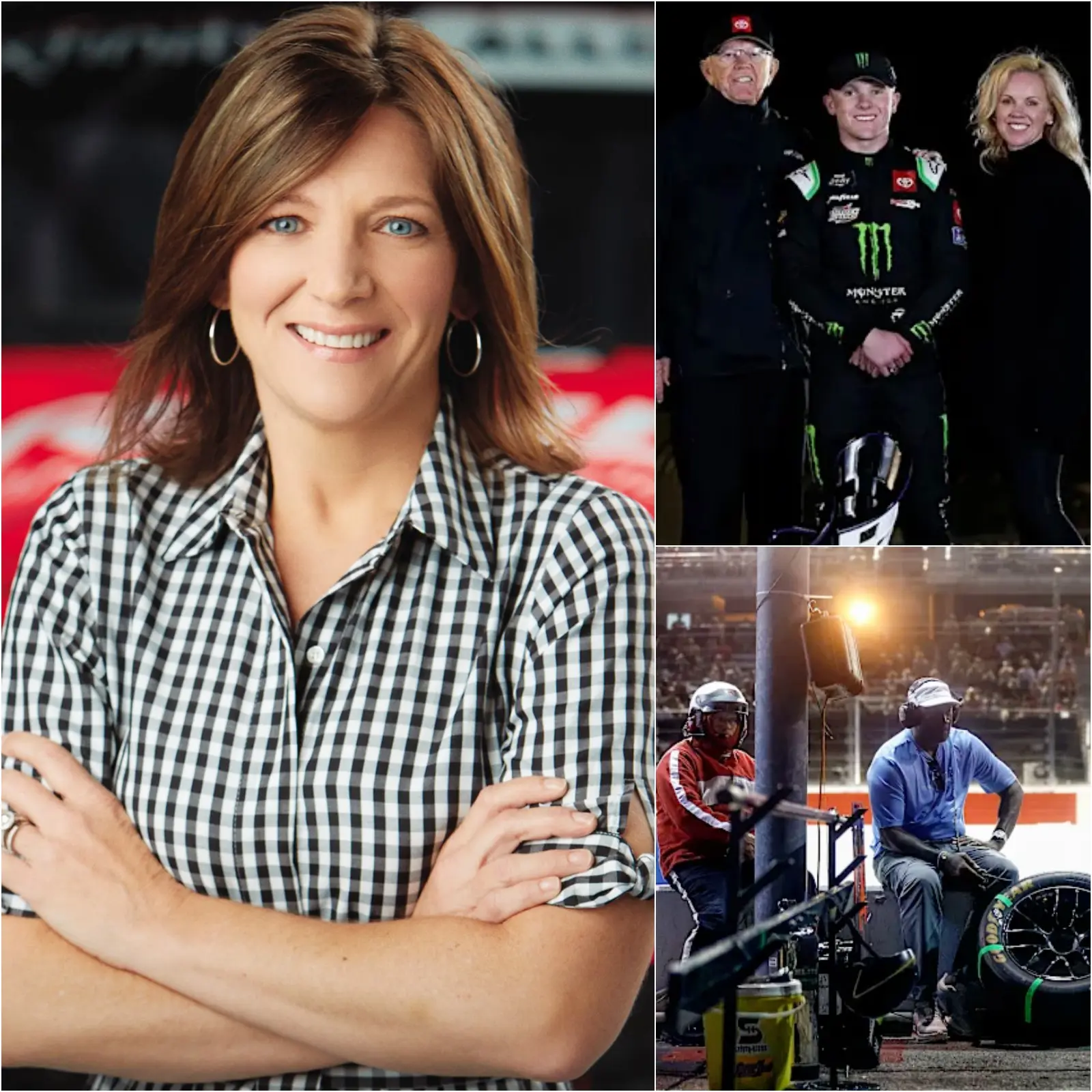
At the center of these reflections is Heather Gibbs, whose emotional testimony during the trial in late 2025 provided a raw glimpse into the financial realities facing even the most successful organizations. As co-owner and a key executive at JGR, Gibbs detailed how the team operates on razor-thin margins—approximately 2 percent—despite employing around 240 people and securing support from roughly 24 sponsors. This testimony underscored the precarious balance teams must strike to remain competitive in a sport where success demands massive investment in technology, personnel, and development.
Gibbs, who stepped into a more prominent leadership role following personal tragedies including the loss of her husband Coy Gibbs, emphasized that JGR was founded on Joe Gibbs’ passion after his NFL coaching career. The organization, which has claimed multiple championships, prioritizes winning over financial windfalls. In a recent podcast appearance on “Business of Motorsports” with Kelley Earnhardt, Gibbs recounted the intense charter negotiations, including writing heartfelt letters to NASCAR leadership pleading for permanent charters that recognize the decades of investment and family legacy poured into the sport. She described the emotional toll, from family legacies like those of J.D.
Gibbs and others, to the fear that without stable charters, the financial foundation could crumble despite years of dedication.
Kelley Earnhardt Miller, daughter of the legendary Dale Earnhardt and sister to Dale Earnhardt Jr., found strong common ground with Gibbs’ outlook. Leading JR Motorsports, which has achieved significant success in the Xfinity Series and made strides in Cup competition, Earnhardt revealed her team’s profit margins hover around 1.5 percent. In the podcast discussion, she candidly stated, “I’ve never really looked at our profit margin because I’m just happy if it’s in the black… JR Motorsports doesn’t do this to make money. We started our team because of the legacy of our family and the passion of racing.”
This alignment between two influential women in NASCAR ownership highlights a broader truth about the sport’s team ecosystem. For families like the Earnhardts and Gibbs, racing is more than a business—it’s a continuation of heritage, a platform for excellence, and a commitment to the fans who fill the stands. Earnhardt noted the satisfaction of staying “slightly profitable or not losing our butt,” reflecting a mindset focused on stability and long-term survival rather than extravagant returns.
Similarly, Gibbs shared anecdotes of JGR’s frugality, such as delaying a simple headquarters sign to redirect funds toward making cars faster, illustrating that every dollar is scrutinized for its impact on performance.
The lawsuit between 23XI and Front Row against NASCAR amplified these issues on a national stage. Teams argued that NASCAR’s control over charters, media rights, and revenue streams created an uneven playing field. Charters guarantee entry into races and a share of purse money, but their temporary nature and negotiation battles created uncertainty. The settlement, reached mid-trial in December 2025, included provisions for more permanent “evergreen” charters, greater team input in governance, and enhanced revenue shares—concessions that many hope will foster a healthier environment moving forward.
Yet, the financial pressures remain real. NASCAR’s popularity has surged with new media deals and expanded audiences, but costs for competing at the highest level—engineering, aerodynamics, travel, and talent retention—have skyrocketed. Smaller or mid-tier teams often operate closer to the edge, while even giants like JGR and JR Motorsports maintain slim margins. This reality was a key undercurrent in the trial, where testimony revealed how teams feel squeezed despite contributing immensely to the sport’s appeal.
Earnhardt’s agreement with Gibbs’ philosophy serves as a reminder that NASCAR’s enduring appeal lies in its human element. Both women have navigated immense personal and professional challenges: Earnhardt building on her father’s iconic legacy while raising a family, and Gibbs steering JGR through loss and leadership transitions, including preparing for the future as Joe Gibbs eventually passes the torch. Their discussions reveal optimism post-settlement, with a focus on family businesses thriving through passion-driven decisions.
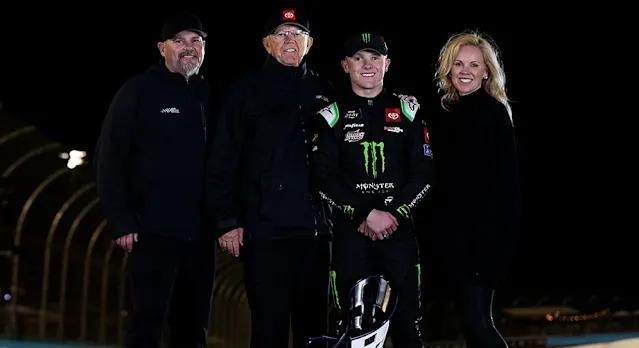
For fans, this insider perspective humanizes the multi-billion-dollar industry. When drivers like Ty Gibbs secure their first Cup wins or when teams like 23XI challenge the status quo, it stems from owners who view racing as a calling. The lawsuit, while contentious, has prompted necessary reforms, potentially ensuring that future generations can compete without the constant shadow of financial instability.
As NASCAR evolves with new technologies, broader global reach, and younger audiences, the voices of owners like Earnhardt and Gibbs will be crucial. Their shared emphasis on legacy over lucre suggests that while money fuels the engines, it’s love for the sport that keeps them running. In an era of high finance and intense competition, this grounded philosophy may be NASCAR’s greatest strength, ensuring the roar of the engines continues to echo for decades to come.
The resolution of the 23XI and Front Row case marks a turning point, but the conversations it inspired—like the one between Earnhardt and Gibbs—offer hope for a more equitable and passionate future. Teams will keep pushing limits on the track, driven not primarily by balance sheets, but by the unyielding desire to win and honor the heritage that defines America’s premier stock car racing series. With updated charters providing more stability, the focus can shift back fully to performance, innovation, and the thrill that draws millions to the sport.