‘We don’t know,’ Tony Popovic was forced to reconsider when the star was left off the list; reaffirming his shocking decision.

In the high-stakes environment of the FIFA World Cup, where every selection and tactical adjustment carries immense pressure, Socceroos head coach Tony Popovic has once again found himself navigating unforeseen challenges. Just days after making bold changes to his lineup for Australia’s match against the United States, the coach faced another significant setback with the confirmation that key midfielder Jacob Italiano would miss the crucial clash against Paraguay due to injury.
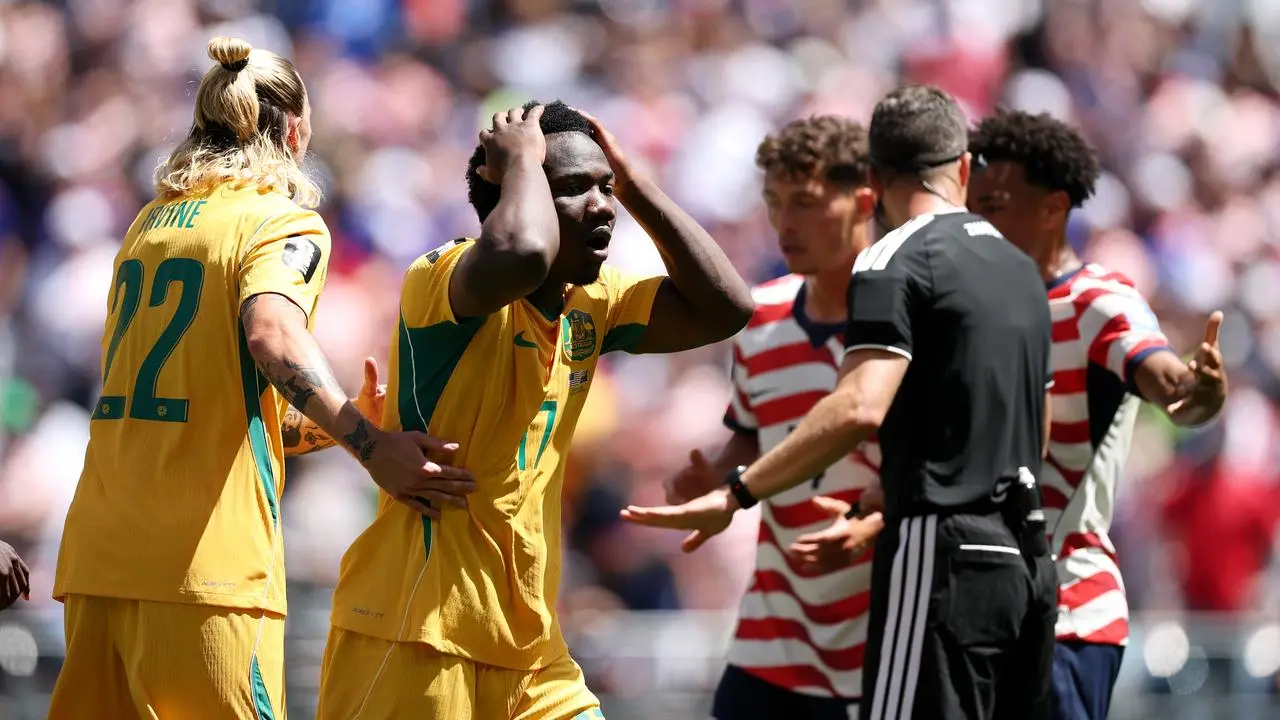
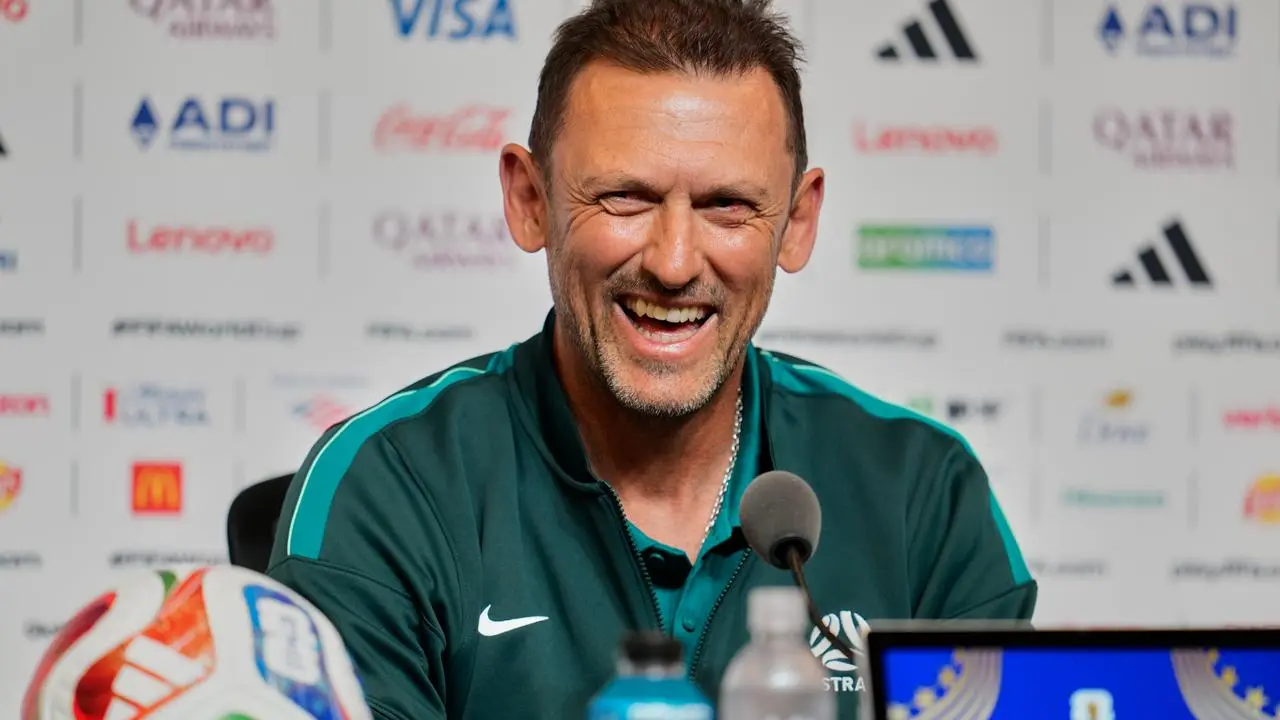
Popovic, addressing the media, delivered the news with a mix of pragmatism and uncertainty. “Jacob, unfortunately, won’t be available,” he stated. “I think it’s an adductor injury. We don’t know the extent of it as yet. We’ll do some further tests in the coming days, but he won’t be available for this game.” This update compounded an already taxing situation for the Australian national team, coming on the heels of Mathew Leckie also being ruled out.
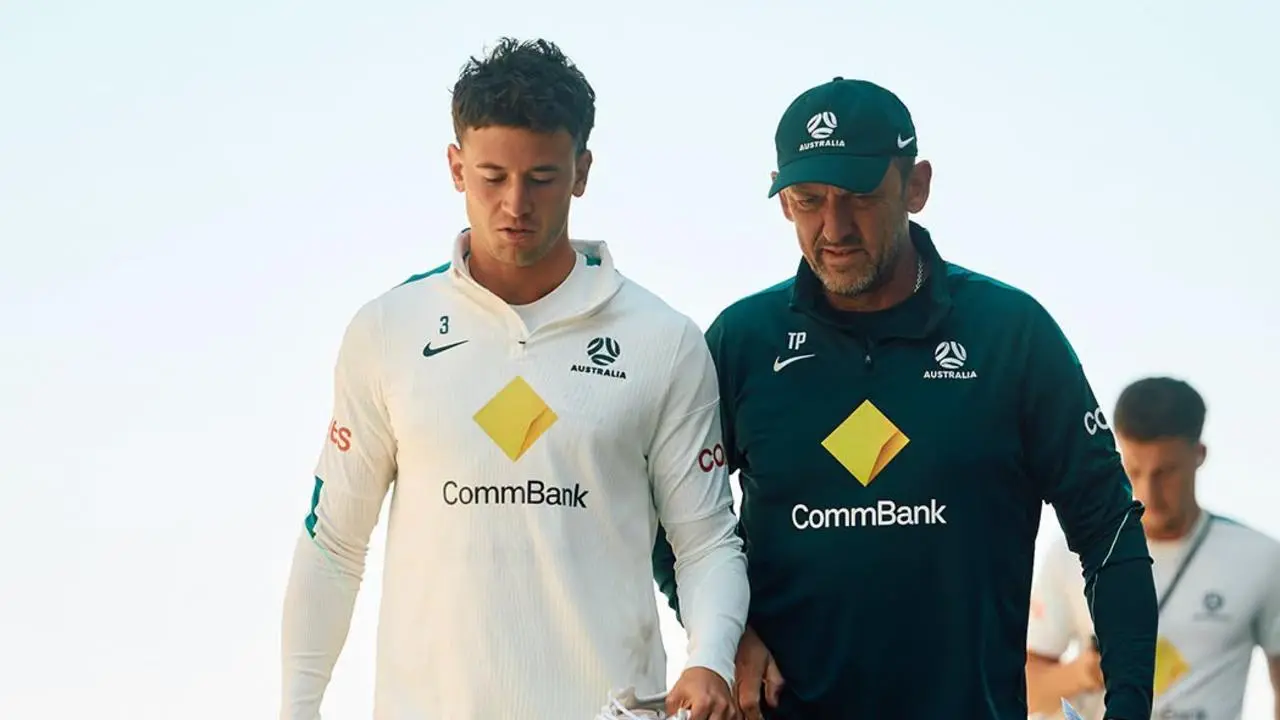
The omission of Italiano represents a forced reconsideration for Popovic, who had been relying on a blend of experience and emerging talent to steer the Socceroos through a demanding group stage. Italiano, known for his dynamic presence in midfield and contributions in recent campaigns, had been part of the squad’s plans, but the injury sustained in training left the coaching staff with limited options. This development echoes the broader theme of squad management under pressure, where injuries can rapidly alter carefully constructed strategies.
Despite the blow, Popovic has stood firm on his earlier decisions, particularly the surprising lineup alterations seen in the United States encounter. Those changes, which included dropping performers from the previous match, drew considerable scrutiny and debate among fans and pundits. Critics pointed to the moves as potentially disruptive, especially following a defeat that highlighted issues with fatigue and cohesion. Yet, the coach doubled down, emphasizing the need for freshness and rotation in a tournament where recovery and adaptability are paramount.
This approach reflects Popovic’s philosophy of building depth and testing different combinations. Australia’s World Cup squad features a significant number of debutants and younger players, a deliberate strategy aimed at injecting energy and long-term potential into the team. While some selections have been labeled as shocking or even controversial—such as the handling of high-profile talents like Nestory Irankunda—the coach maintains that these calls are driven by the bigger picture of tournament demands.
Injuries have been a recurring theme for the Socceroos in the lead-up to and during the World Cup. Several players, including Riley McGree and others, have been sidelined at various points, forcing Popovic to adapt on the fly. The adductor issue for Italiano adds to this list, raising questions about squad depth in midfield and how the team will reorganize without two key attackers or midfield contributors for the Paraguay fixture.
Popovic’s resilience in the face of these challenges stems from his extensive experience as both a player and manager. Having guided clubs through tough periods and now leading the national team, he understands that football rarely unfolds according to plan. His willingness to make tough calls, even if they invite criticism, underscores a commitment to what he believes serves the team’s best interests over the long haul. Reaffirming the shock decisions from earlier matches, he has signaled that rotation and managing player workloads remain non-negotiable priorities.
For the Socceroos, the Paraguay game carries significant weight as they look to progress in the group. With key absences, the onus falls on remaining players to step up. Potential replacements in the midfield and attacking areas will need to deliver, testing the depth Popovic has often championed. Supporters and analysts alike will be watching closely to see if the coach’s vision holds up under the intensified scrutiny that comes with World Cup football.
Beyond the immediate match, these events highlight the unpredictable nature of international tournaments. “We don’t know” has become a refrain not just for injury timelines but for the broader uncertainties that define campaigns like this one. Popovic’s handling of the situation—balancing transparency with steadfast belief in his process—offers a window into the mental fortitude required at this level.
As further tests on Italiano are conducted, the focus shifts to recovery and preparation. The coaching staff will likely explore various formations and personnel tweaks to mitigate the loss. This could involve promoting younger squad members or repositioning established players, further illustrating Popovic’s adaptive approach. Past successes with rotational strategies provide some optimism, though the margin for error narrows with each setback.
The broader context of Australia’s World Cup journey adds layers to this narrative. Entering the tournament with a mix of optimism and questions about squad cohesion, the team has encountered both highs and hurdles. Popovic’s decisions, while polarizing, are part of an overarching plan to evolve the Socceroos into a more versatile and competitive unit on the global stage. Whether these choices ultimately pay dividends remains to be seen, but the coach’s consistency in defending them speaks to a clear strategic direction.
Fans have voiced strong opinions online and in media discussions, with some praising the boldness and others calling for more conventional selections. This divide is typical in football, where passion fuels debate, particularly around national team matters. Popovic, however, appears undeterred, prioritizing preparation and performance over popularity.
Looking ahead, the management of player fitness will be critical. The Socceroos’ medical team faces a busy period assessing not only Italiano but ensuring the rest of the squad remains in peak condition. Rotation policies, which led to the initial shock calls, now serve as both a strength and a necessity given the injury toll.
In summary, Tony Popovic’s latest press interactions capture the essence of coaching at the elite level: reacting to adversity while holding true to core principles. The absence of Jacob Italiano forces adjustments, yet it also reaffirms the coach’s willingness to make difficult choices. As Australia prepares for Paraguay, the football world watches to see how these pieces fall into place. The phrase “we don’t know” aptly summarizes the current unknowns, but one certainty persists—Popovic will approach the task with the same resolve that has defined his tenure.