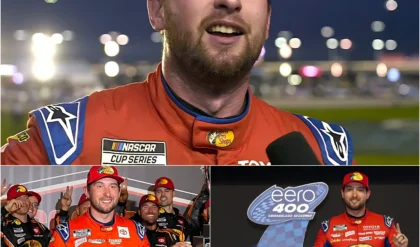
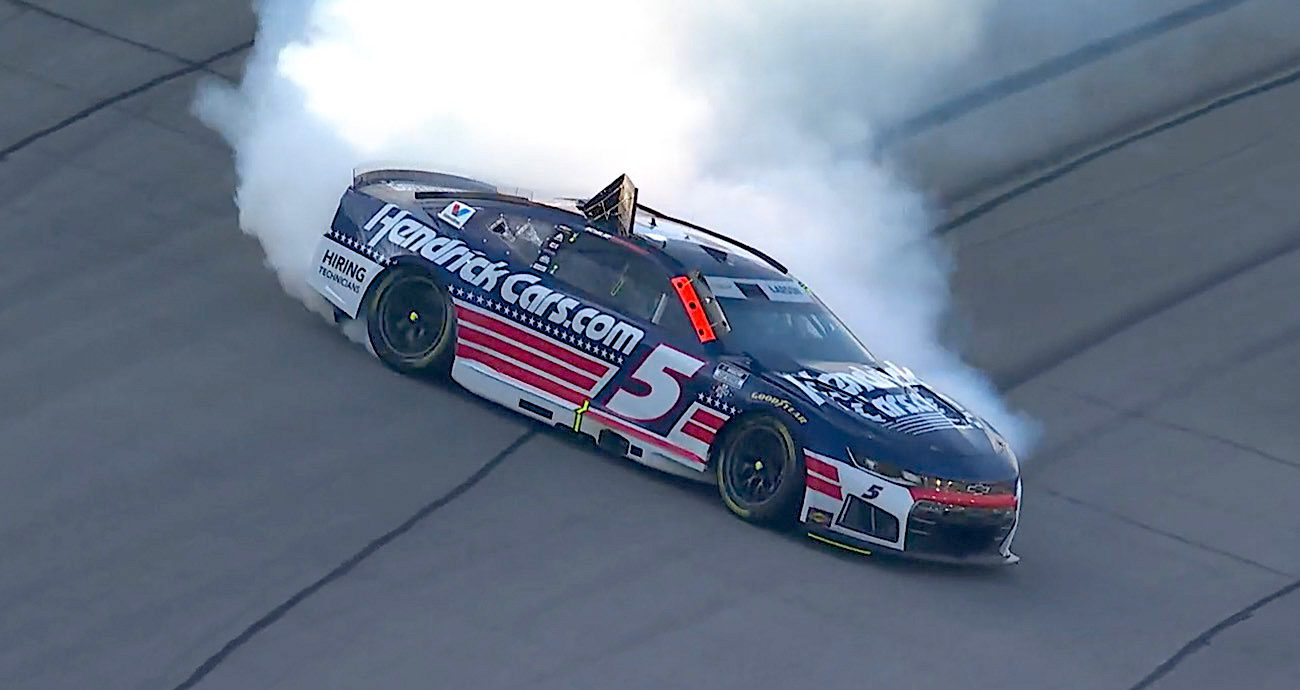
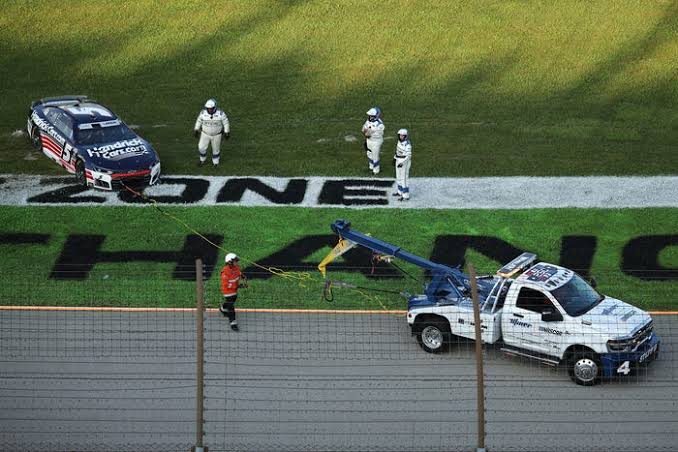
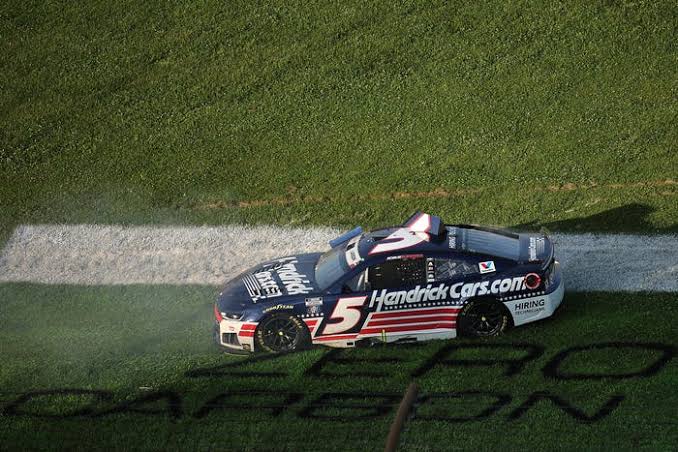
Kyle Larson encountered an unexpected development during the NASCAR Cup Series race at Chicagoland Speedway. While running in a strong position near the front of the field, he lost control of his car in Turn 4. The incident sent the No. 5 Hendrick Motorsports Chevrolet into the infield grass, where it required assistance to return to the racing surface.
This moment occurred early in Stage 2, shortly after a restart. Larson had been competing effectively up to that point, maintaining pace with the leaders. The single-car spin altered the remainder of his race day, shifting priorities for both the driver and his crew.
Chicagoland Speedway welcomed NASCAR back after several years away from the schedule. The event generated significant interest among fans and participants. Larson’s incident became one of the notable occurrences during the afternoon as teams adapted to the track conditions and race dynamics.
Before the spin, Larson showed competitive speed. He qualified on the front row, missing the pole position by a very small margin. This performance indicated that the car possessed the potential to contend for strong stage results and a favorable overall finish.
The loss of control in Turn 4 happened without involvement from other cars. Larson worked to regain composure after the car became stuck in the grass. Track officials and safety crews provided the necessary support to help extract the vehicle and allow him to continue.
Falling multiple laps down presented a considerable challenge. The team adjusted their strategy to focus on reliability and gathering useful data for future events. Completing the full race distance remained an important objective despite the setback in position.
Hendrick Motorsports has a strong record of performance across the Cup Series. Larson’s team is known for thorough preparation and quick responses to on-track situations. The incident at Chicagoland offered an opportunity to evaluate car handling and make notes for subsequent races.
NASCAR racing frequently includes moments where drivers must manage unexpected difficulties. The ability to recover and finish the event reflects professionalism and dedication. Larson demonstrated focus as he navigated the remaining laps while several laps behind the leaders.
The 1.5-mile layout at Chicagoland features unique characteristics that test driver skill and car setup. Smooth lines and effective tire management are essential for maintaining speed. Larson’s early run highlighted the car’s capability before the Turn 4 event changed the afternoon.
Race analysts observed that such incidents can stem from various factors, including tire wear or slight changes in grip levels after a restart. Official reports described it as a solo spin without assigning external causes. Post-race review would provide additional details for the team.
For the 2026 season, Larson has maintained a competitive standing. Multiple top-five finishes in recent races showed consistency and momentum. The Chicagoland race added another data point to the ongoing campaign, even with the mid-race interruption.
Fans following the event noted the quick response from safety personnel. NASCAR maintains high standards for track safety and driver assistance. The efficient handling of the situation allowed the race to proceed with minimal delay.
Team radio communications during the incident reflected standard procedures for managing a spin and recovery. Crew members coordinated with Larson to assess any potential damage and plan the best path forward. This collaboration is typical in professional motorsports organizations.
The return of Chicagoland to the NASCAR calendar created a special atmosphere. Drivers and teams prepared extensively for the unique challenges of the venue. Larson’s participation, despite the grass excursion, contributed to the overall competitive field.
Recovering from laps down often involves pacing strategies and capitalizing on cautions. Larson and his crew worked through these elements as the race continued. Their efforts ensured the car completed the scheduled distance under race conditions.
Larson has earned recognition for his versatility and talent across different racing formats. His experience helps in situations requiring patience and precise execution after setbacks. The Chicagoland incident tested these qualities during a high-profile event.
Stage racing formats reward strong performances in designated segments. Larson’s position in third before the spin positioned him well for potential stage points. The subsequent laps down affected his ability to accumulate those points in Stage 2.
Hendrick Motorsports entered the weekend with multiple cars capable of strong results. Collective performance across the organization provides valuable information. Data from Larson’s car after the incident would be reviewed alongside data from teammates.
The Cup Series schedule includes a variety of track types. Success depends on adaptability and continuous improvement. Events like the one at Chicagoland allow teams to refine setups and address specific handling characteristics unique to each venue.
Safety remains a priority in all NASCAR competitions. The rapid assistance provided to Larson exemplified established protocols. These measures help protect drivers and maintain the flow of the race when incidents occur.
Looking ahead in the season, each race contributes to championship aspirations. A challenging afternoon can be followed by stronger performances with adjusted preparations. Larson’s track record suggests resilience and focus on long-term objectives.
The incident drew attention but did not overshadow other competitive battles throughout the field. Several drivers advanced through consistent running and effective strategy. The final results reflected the full scope of racing action over the entire distance.
Post-race inspections and technical reviews are standard following Cup Series events. These processes ensure compliance with regulations and provide additional insights. For Larson’s team, the focus would include understanding the root cause of the Turn 4 loss of control.
Motorsports competition involves both highs and challenges within single events. Larson’s day at Chicagoland illustrated this range, from a strong qualifying effort to the mid-race recovery. Such experiences contribute to the depth of a driver’s career narrative.
The NASCAR community values professionalism in handling race-day situations. Larson and his team exemplified this standard by continuing participation after the incident. Their approach aligned with expectations for top-level competitors in the series.
As the season progresses, attention will shift to upcoming venues and preparations based on recent data. The information gathered at Chicagoland, including details from the spin, will inform setup choices and strategy for future races.
Overall, Kyle Larson’s experience at Chicagoland featured a notable mid-race development when his car entered the grass in Turn 4. The need for assistance to return to the track marked a shift in his afternoon. Despite this, the event highlighted the competitive environment and safety standards present in NASCAR racing.