Legendary trainer Liam Browne, who transformed the most hopeless horses into dazzling superstars and brought jockeys from obscurity to global fame, has passed away at the age of 89, leaving behind a great legacy and countless previously undisclosed mysteries!
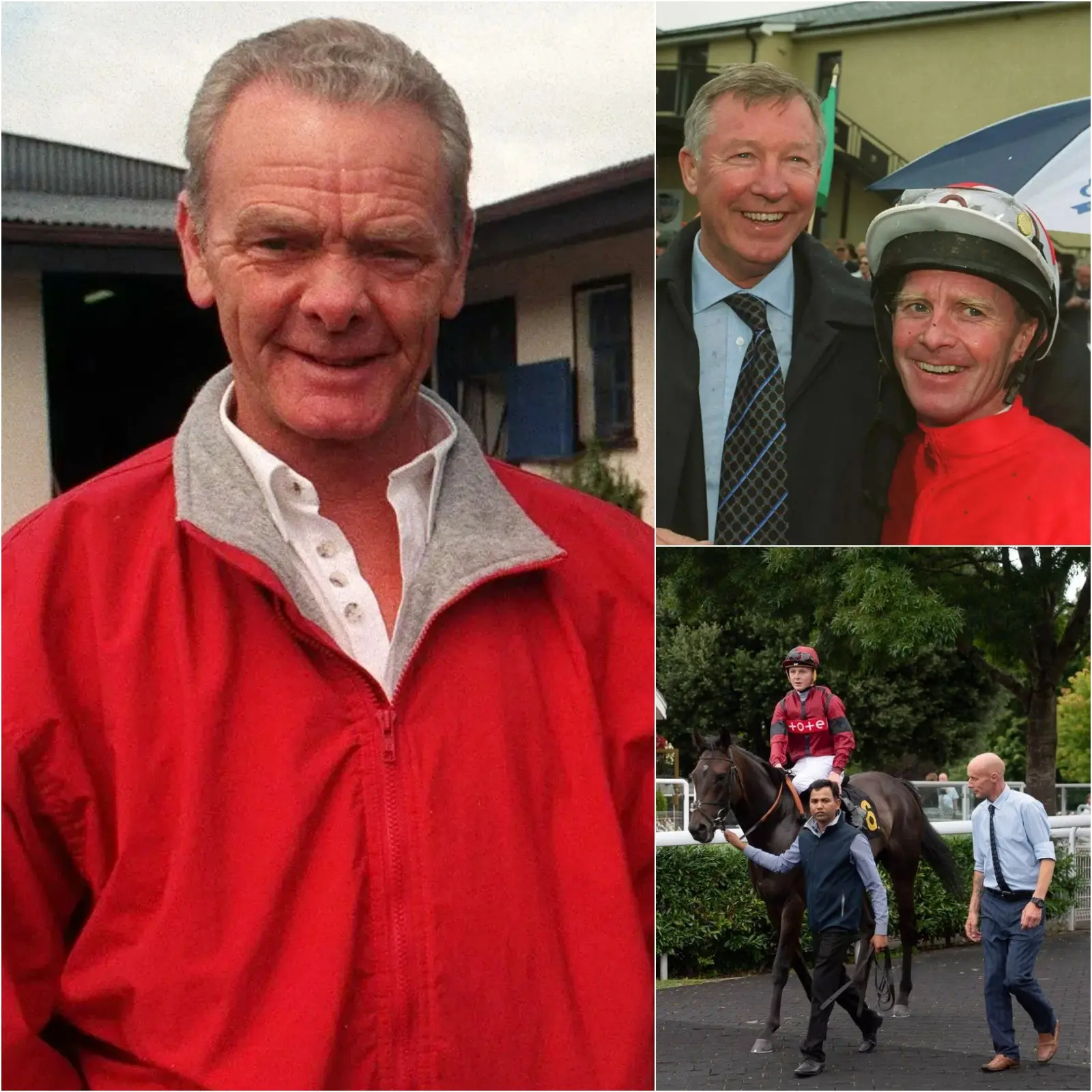
The Irish racing community and the wider world of thoroughbred sport are in mourning following the peaceful passing of Liam Browne on April 25, 2026, just days after he celebrated his 89th birthday. A man whose name became synonymous with grit, intuition, and an almost alchemical ability to extract brilliance from unpromising material, Browne leaves behind a tapestry of achievements that few in the sport can match. His death marks the end of an era, yet the stories of his transformative touch—on both equine and human talent—continue to ripple through racing yards and jockey rooms across Ireland and beyond.
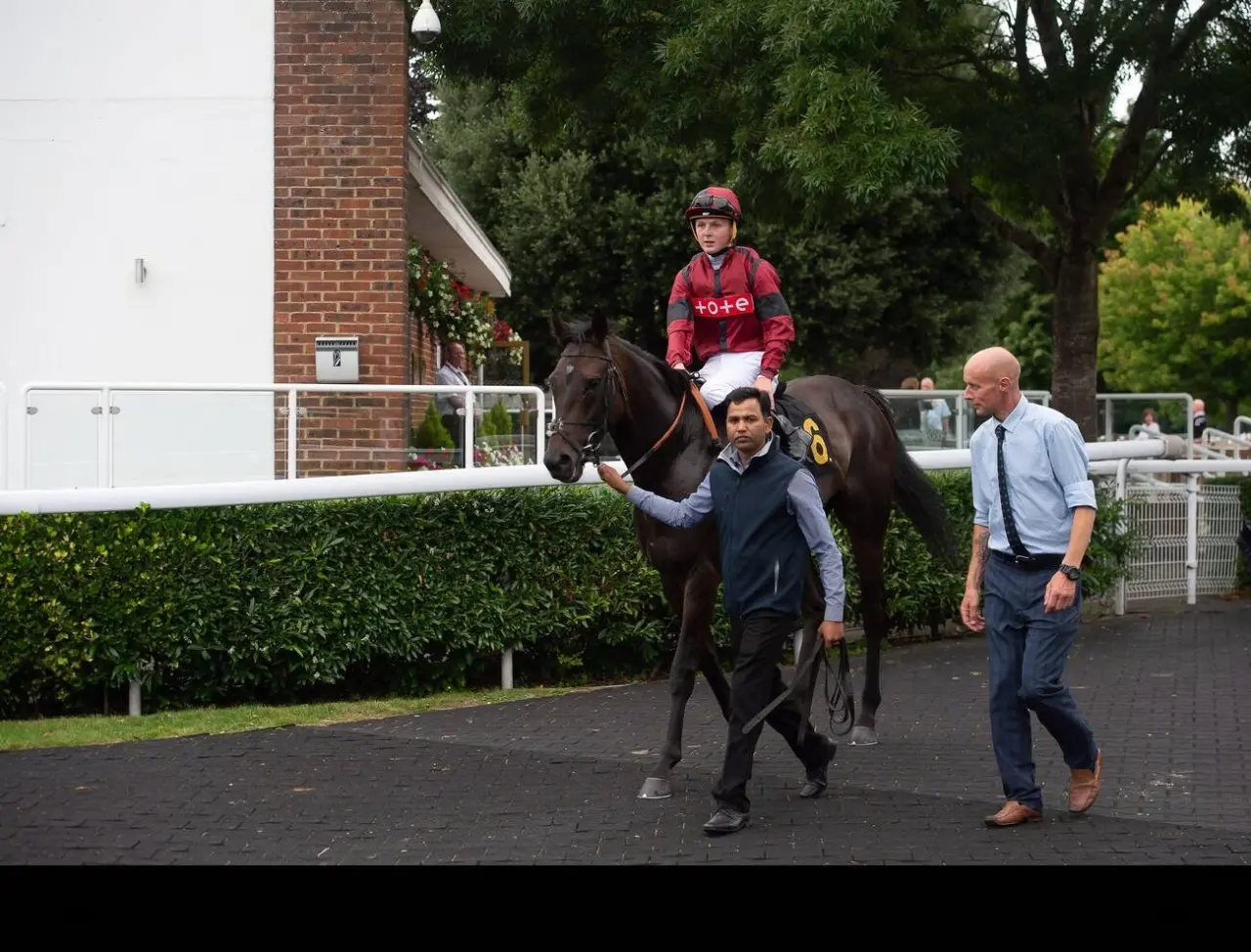
Born in April 1937, Browne first made his mark not as a trainer but as one of the most promising young riders of his generation. He claimed the Irish apprentice jockeys’ championship three consecutive years from 1956 to 1958, amassing 29 winners in his final title-winning season alone. Riding for some of the era’s greatest names—including Paddy “Darkie” Prendergast, Mickey Rogers, and briefly as second jockey to Vincent O’Brien—he secured victories in prestigious races such as the 1958 Pretty Polly Stakes aboard Owenello, the Tetrarch Stakes, Gallinule Stakes, and the 1959 Irish Lincolnshire on Bright Talk.
His early career was marked by precocious talent and a fierce work ethic forged under Prendergast’s demanding regime. Yet after a period working in a factory in Britain, Browne returned to the Curragh and, in 1971, took out his trainer’s licence at the historic Maddenstown Lodge. What followed was more than three decades of quiet revolution.
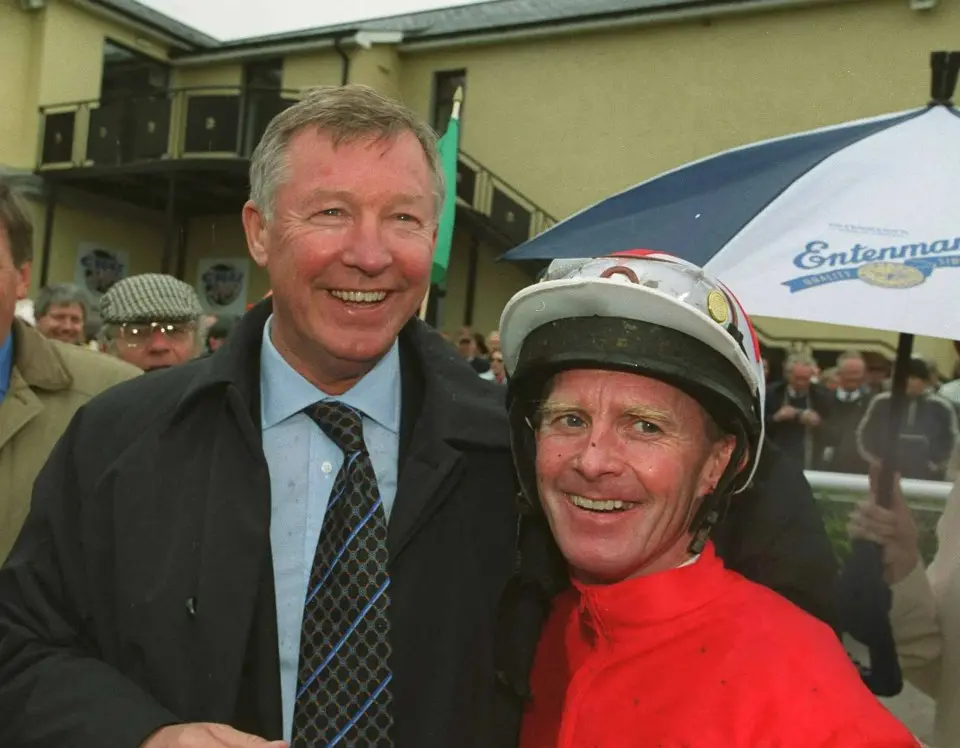
From modest beginnings, Browne built a stable that punched far above its weight. He trained close to 800 winners, 58 of them in Group or Listed company, before retiring in 2004. His genius lay in spotting value where others saw only limitations. Dara Monarch, purchased for a mere 5,000 guineas and carrying the colours of his wife Anne, shocked the racing world in 1982 by winning the Irish 2,000 Guineas at 20-1 before adding the St James’s Palace Stakes at Royal Ascot.
Another bargain buy, Carlingford Castle (7,500 guineas), finished a gallant second to Teenoso in the 1983 Epsom Derby and was later sold for £660,000. Over jumps he sent out Mr Kildare to win the 1978 Sun Alliance Novices’ Hurdle at Cheltenham and followed up two years later with Slaney Idol’s victory in the Supreme Novices’ Hurdle. Later highlights included Queen Astrid’s 2003 Saval Beg Stakes success and a string of Royal Ascot and black-type victories that proved his eye for a horse remained razor-sharp into his later years.
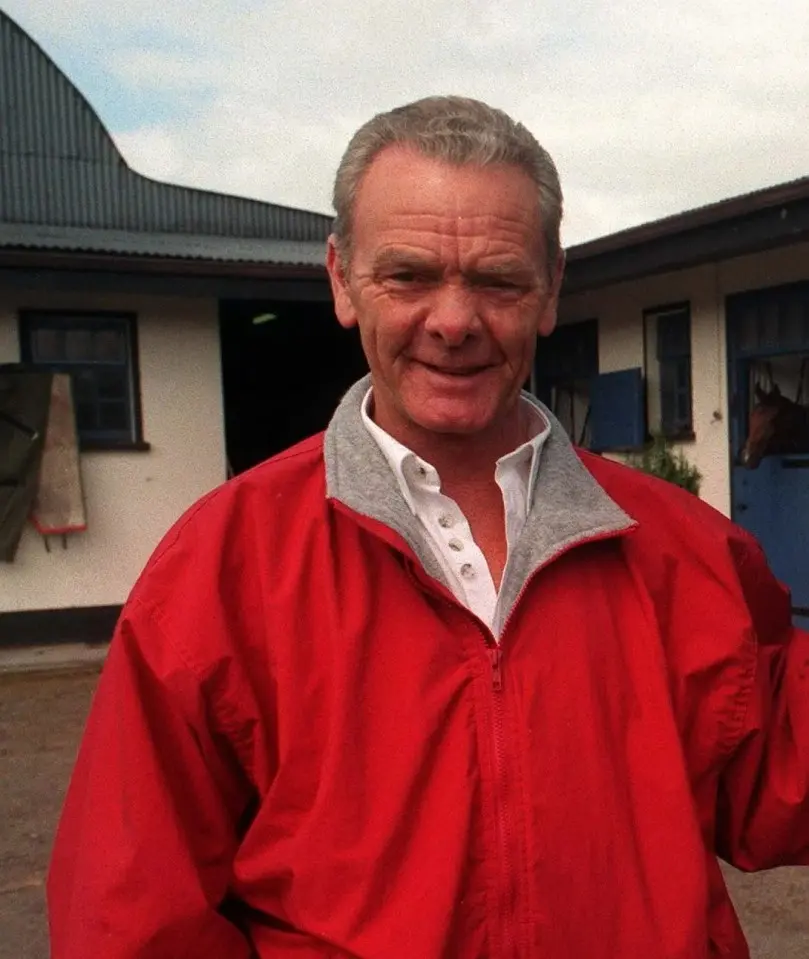
Yet Browne’s most enduring contribution was not measured solely in winners’ enclosures but in the human talent he nurtured. His Maddenstown Lodge operation functioned as a finishing school for aspiring jockeys, a place where raw apprentices were moulded through a philosophy of “strict but fair” discipline. He likened his approach to that of Sir Alex Ferguson—demanding total commitment, quick to deliver a verbal dressing-down after a poor ride, yet never holding grudges and always ready to give second chances once lessons were learned.
The results speak for themselves: Mick Kinane, who credits Browne with “kickstarting my career,” went on to become a 13-time Irish champion and three-time Derby winner. Jamie Spencer, Tommy Carmody, Stephen Craine, Mark Dwyer, Warren O’Connor, Pat Gilson, and many others passed through his hands and emerged as household names. Kinane later recalled: “He was a perfectionist but very fair and he got me going. He was a disciplinarian and was never afraid to give you a bollocking, but he was very fair and never held a grudge.
He was a no-nonsense character who dressed very dapper, and I always had great time for him.”
Those who knew Browne best speak of a generous side beneath the tough exterior—a man who gave youngsters opportunities they might never have received elsewhere and who possessed an almost mystical ability to coax improvement from horses others had written off. His methods were never fully codified; they combined old-school horsemanship with an intuitive understanding of each animal’s personality. In an era when training was becoming increasingly scientific, Browne retained something of the old magic, turning no-hopers into Group winners and forgotten apprentices into champions.
It is this blend of pragmatism and quiet sorcery that fuels the “previously undisclosed mysteries” surrounding his legacy—the private conversations in the car after a bad ride, the late-night stable-yard epiphanies, the untold stories of horses and riders whose trajectories he quietly altered forever.
Family life brought both joy and profound challenges. Predeceased by his beloved wife Anne, Browne is survived by five children—Dermot, Caroline, Martin, Siobhan, and Anne Marie—along with grandchildren including jockeys Max and Liam. Son Martin followed in his footsteps as a champion apprentice before training successfully on the Curragh. Another son, Dermot, enjoyed success as a dual champion amateur rider in Britain before personal struggles led to a lengthy ban that cast a shadow over the yard in the 1990s and early 2000s. These private trials tested Browne’s resilience yet never dimmed his commitment to the sport he loved.
In 2011 he received a Lifetime in Racing Award at the Curragh, and in later years he was honoured with induction into racing’s Hall of Fame, recognition that cemented his status as one of Irish racing’s true patriarchs.
Tributes have poured in from every corner of the industry since news of his passing broke. Colleagues remember a dapper, no-nonsense gentleman whose word was his bond and whose yard was a crucible of character. The racing world will gather for his funeral arrangements this week, with repose at Rigney’s Funeral Home in Athy followed by Requiem Mass at the Carmelite Church in Kildare Town and burial in St Conleth’s Cemetery. Yet even as the final chapter closes, Browne’s influence endures.
The riders he launched continue to win at the highest level; the training principles he instilled—discipline, honesty, and an unshakeable belief in potential—live on in stables across Ireland and Britain.
In the end, Liam Browne’s story is one of transformation on every level: horses that arrived with nothing left to give and departed as stars; young men and women from modest backgrounds who walked through his gates as apprentices and emerged as global names. His life contained more than its share of public triumphs and private heartaches, successes and setbacks that together forged a character of rare depth.
The “countless previously undisclosed mysteries” he leaves behind are not dark secrets but the countless small moments—the whispered advice at dawn stables, the instinctive decisions that defied conventional wisdom, the quiet faith placed in those others had overlooked—that together created something greater than the sum of their parts. Irish racing has lost a giant, but his spirit gallops on in every young jockey who rides with heart and every horse that surprises the world because someone, somewhere, refused to give up on it. Rest in peace, Liam Browne.
Your legacy is written in the winners’ circles you filled and the lives you changed forever.