“We should never have raced there,” Dario Franchitti said, his eyes welling up with tears as he recalled the tragic death of his close friend and two-time Indy 500 champion, Dan Wheldon, at the final IndyCar race of the season at the Las Vegas Motor Speedway.
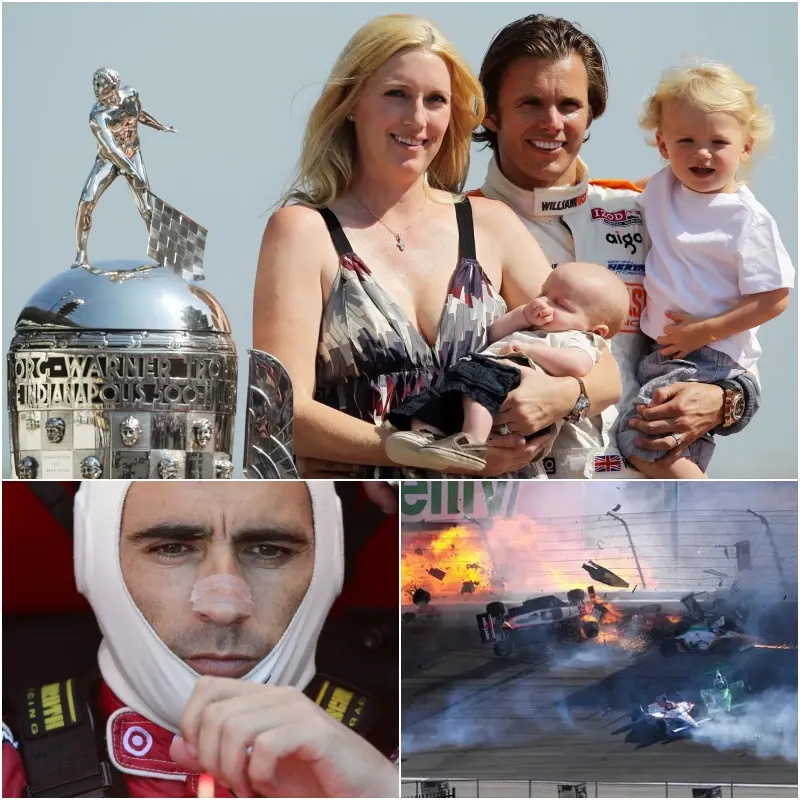
In a recent emotional interview, four-time IndyCar champion and Scottish racing icon Dario Franchitti opened up about one of the darkest moments in his career and in the history of open-wheel racing. Speaking on Dirty Mo Media, Franchitti’s voice cracked as he relived the events of October 16, 2011, when a massive crash during the IZOD IndyCar Series finale at Las Vegas Motor Speedway claimed the life of his longtime friend Dan Wheldon.
The words “We should never have been racing there” carried the weight of years of reflection, regret, and unresolved grief, underscoring a sentiment that has lingered in the motorsport community ever since.
Franchitti and Wheldon shared a deep bond that dated back to their childhood in England, where they first competed against each other in go-karts as young as six years old. Their friendship endured the highs and lows of professional racing, including brief periods of tension that had since been mended. “I’d known Dan since he was six years old. We were very close at one point,” Franchitti recalled, placing a hand on his chest as if to steady the ache that still surfaced.
“We had a couple of discussions when we kind of fell out for a minute a few years before, but we were in a really good place, and we were back to being friends, which I loved.” The reconciliation made the loss all the more painful. Franchitti described a “funny feeling” in his chest when thinking about the incident, calling the entire situation “so unnecessary” and “shocking.”
The 2011 season finale was intended to be a celebratory event, marking the introduction of a new chassis and engine package for the following year. Wheldon, the reigning Indianapolis 500 champion after his dramatic victory earlier that season, found himself without a full-time ride. IndyCar devised a promotional stunt to boost interest: a $5 million bonus—split between the driver and a fan—if an outsider starting from the back of the field could win the race.
With 34 cars on the grid—far more than typical for such a high-speed oval—the stage was set for chaos on the steeply banked 1.5-mile tri-oval at Las Vegas Motor Speedway.
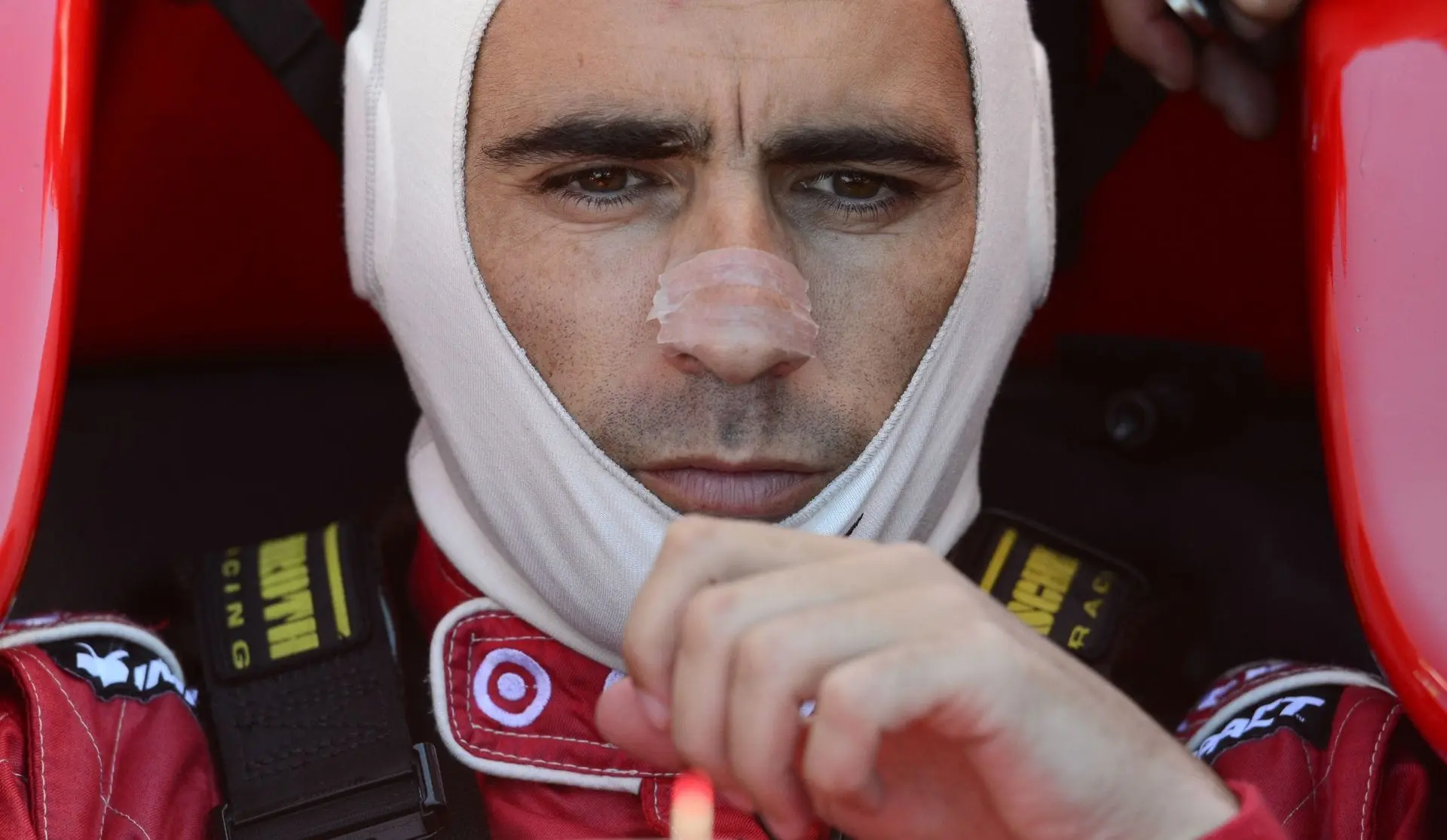
Concerns had been raised even before the green flag dropped. Drivers, including Franchitti, had voiced unease about the track’s configuration and the sheer number of competitors. The banking allowed for three-wide racing at speeds exceeding 220 mph, with little margin for error. “We went into that 2011 final in Vegas—we should never have been racing there, which was a conversation we’d had before we showed up,” Franchitti said, emphasizing that the warnings were not isolated. Many in the paddock felt the combination of factors created an unacceptable level of risk.
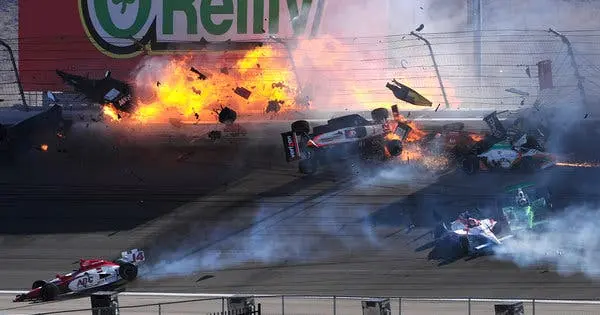
On lap 11, the fears became reality. A chain-reaction crash began when contact between two cars triggered a massive pileup involving 15 vehicles. Wheldon, who had started from the rear and was methodically advancing through the field—reaching as high as 24th position—had no escape route. His car was launched airborne, traveling an estimated 325 feet before striking the catch-fence.
The impact with a fence pole inflicted catastrophic blunt-force trauma to his head, described in the official IndyCar investigation as a “non-survivable injury.” The forces involved were extreme: longitudinal impacts around -250 Gs, vertical forces of -200 Gs, and lateral forces up to 100 Gs. Wheldon was pronounced dead shortly after being airlifted to a local hospital.
The race was immediately red-flagged, and after hours of uncertainty, officials canceled the remainder of the event. A somber five-lap tribute was run in Wheldon’s honor before the cars returned to the pits. The paddock was devastated. Franchitti, who had won the 2011 championship, grappled with the loss of not just a rival but a childhood companion. In the immediate aftermath, he spoke of the day as “black” for the sport, highlighting how everyone in IndyCar considered Wheldon a friend.
The official accident report, released in December 2011, described the incident as a “perfect storm” of contributing factors. These included the unusually large field size, the track’s “limitless” racing surface that encouraged aggressive lines, the high speeds, and the specific sequence of impacts that propelled Wheldon’s car into the fence in such a lethal manner. While no single element was solely to blame, the report highlighted how the convergence of circumstances turned a high-risk event into tragedy.
IndyCar implemented significant safety changes in the years that followed, including refined car designs, aeroscreens (introduced later), and stricter protocols for ovals, lessons drawn directly from that fateful day.
For Franchitti, the memory remains raw even 15 years later. Now retired from driving and working as a commentator and ambassador for the sport, he reflected on how the loss affected him deeply. He had already endured the death of another close friend and fellow racer, Greg Moore, in a 1999 CART crash at Fontana, an experience that left lasting scars. Losing Wheldon compounded the grief, reminding him of the fragility of life in motorsport. “I was a lot more mature, world-weary.
I’d seen a lot more in life when Dan had his accident,” he said, contrasting his perspective then with the younger days shared with Wheldon.
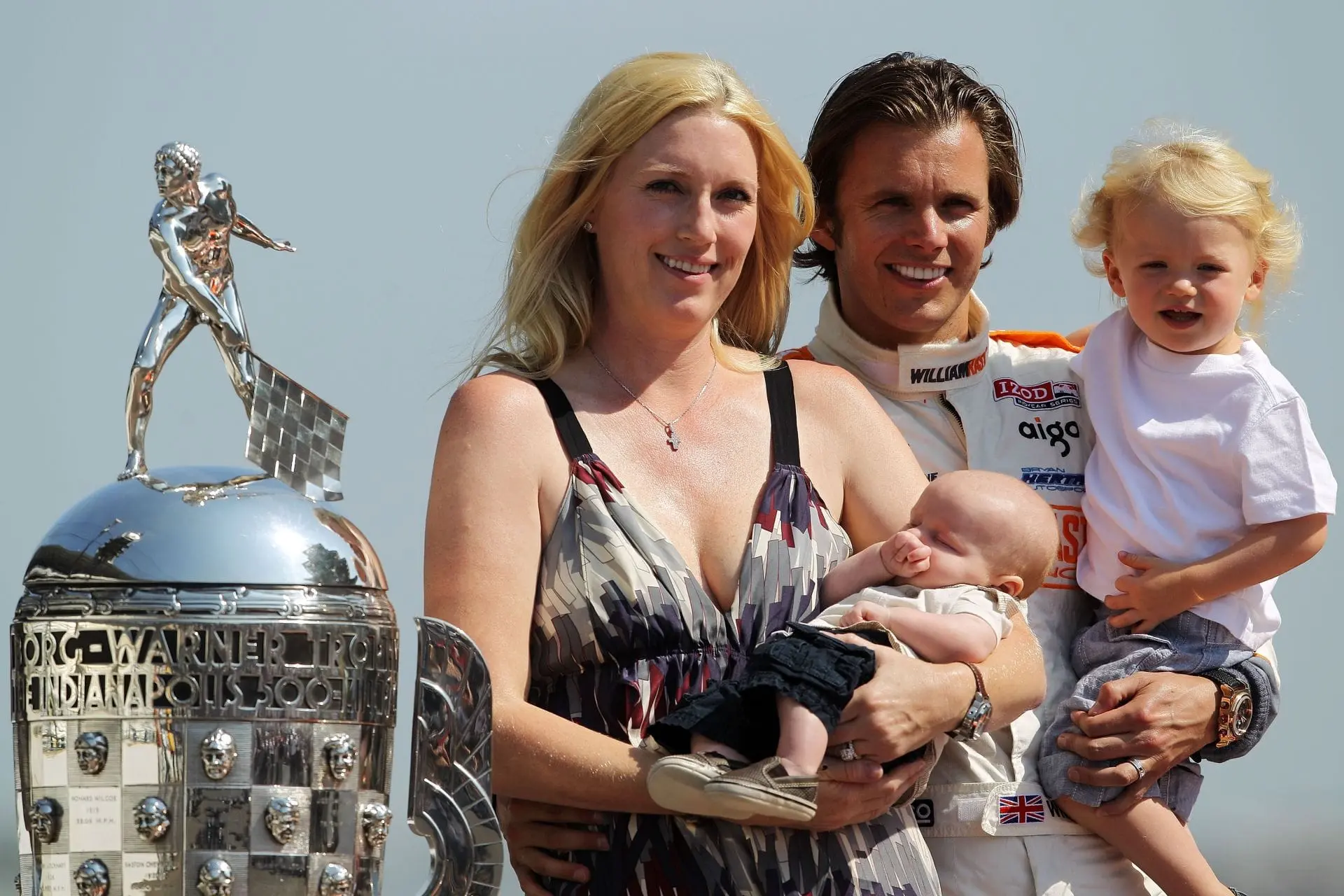
Wheldon’s death prompted an outpouring of tributes from across the racing world. He was remembered not only for his skill—highlighted by back-to-back Indy 500 wins in 2005 and 2011—but for his charisma, humor, and infectious passion for the sport. Fans and drivers alike spoke of his “it factor,” a rare blend of talent and personality that made him beloved. His family, including wife Susie and sons Sebastian and Oliver, received widespread support during their unimaginable loss.
Franchitti’s recent tears serve as a powerful reminder that time does not fully heal such wounds in racing. The sport has evolved with enhanced safety measures, but the human cost of that October afternoon endures. His words—”We should never have raced there”—echo the regrets of many who were there, questioning whether ambition and spectacle overrode caution. As IndyCar continues to honor Wheldon’s legacy through improved standards and annual remembrances, Franchitti’s candor underscores a fundamental truth: behind every high-speed battle lies the irreplaceable value of human life and friendship.
The tragedy at Las Vegas Motor Speedway remains one of the most poignant chapters in modern IndyCar history, a stark warning etched into the sport’s collective memory. For Dario Franchitti, it is a personal scar that resurfaces with emotion, a testament to the enduring bond between two racers whose paths crossed from childhood tracks in England to the unforgiving ovals of America.