“WE NEED FAIRNESS” Penske boss justifies “shocking” decision to drop Josef Newgarden and Scott McLaughlin from Daytona 2
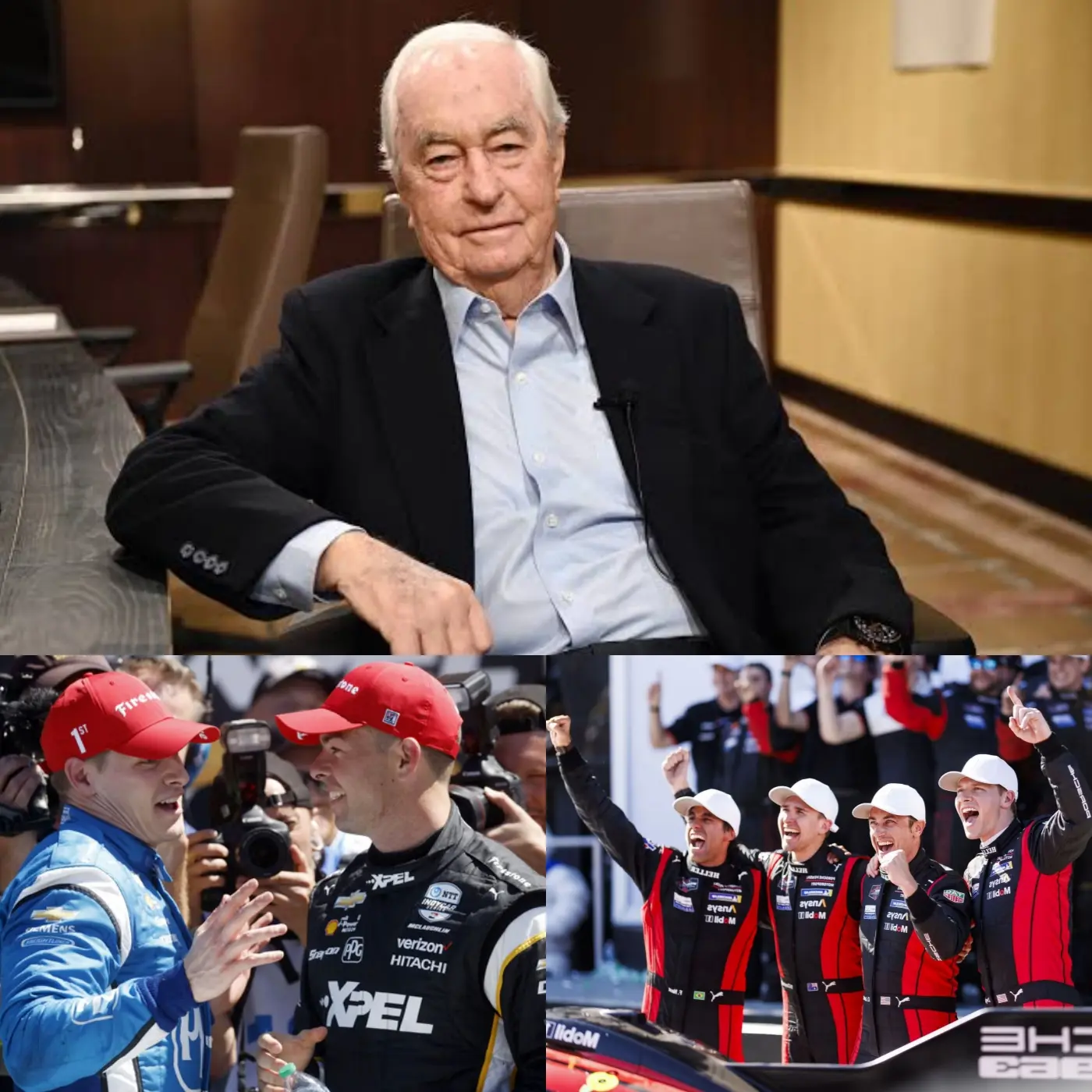
In a move that has sent ripples through the motorsport world, Porsche Penske Motorsport has opted to exclude two of Team Penske’s star IndyCar drivers, Josef Newgarden and Scott McLaughlin, from its lineup for the 2026 Rolex 24 at Daytona.
The decision comes despite an impressive test session in November 2025 at Daytona International Speedway, where both drivers got behind the wheel of the revised Porsche 963 GTP cars, and even though Newgarden was part of the winning crew in the same race back in 2024.
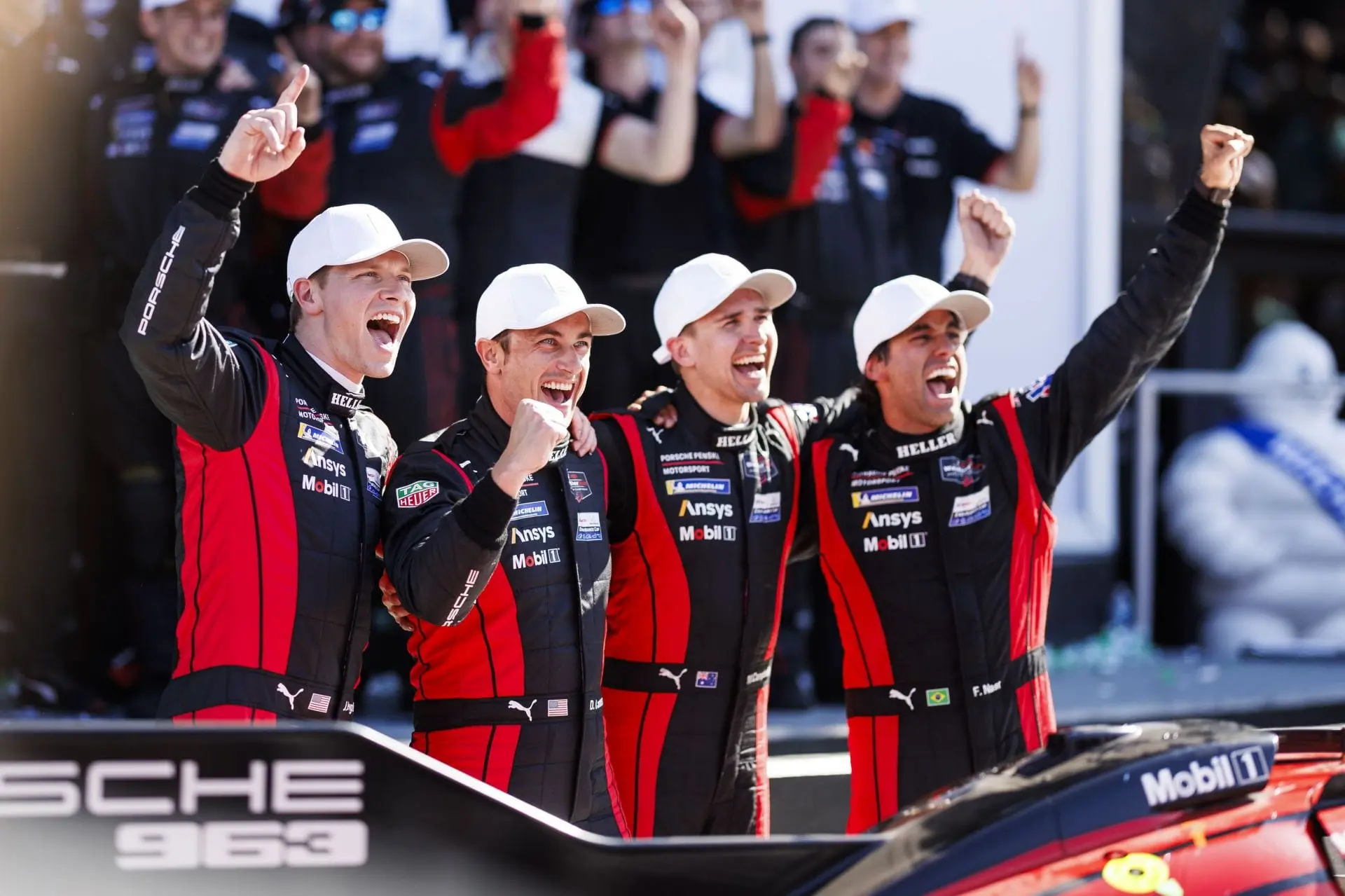
The announcement, confirmed through the provisional and final entry lists released by IMSA in December 2025 and early January 2026, saw the team stick with three-driver lineups for both of its factory entries. The No.
6 Porsche 963 will feature Laurens Vanthoor, Kevin Estre, and reigning IMSA champion Matt Campbell, while the No. 7 car, the two-time defending overall winner, fields Felipe Nasr, Laurin Heinrich, and Julien Andlauer.
This approach marks a return to the three-driver format that delivered victory in 2025, after the team experimented with four drivers in 2024—including Newgarden’s successful stint.
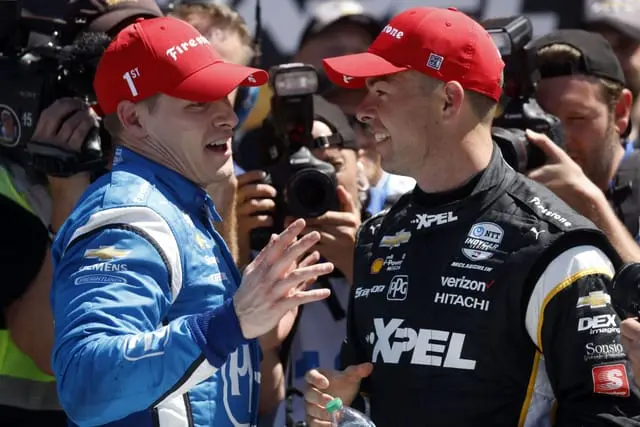
The exclusion has been described as “shocking” by many observers, given the pedigree of the drivers involved. Newgarden, a two-time Indianapolis 500 winner and proven GTP talent, contributed significantly to Porsche Penske’s 2024 triumph at Daytona, sharing driving duties in the victorious No.
7 entry alongside full-season regulars Felipe Nasr, Dane Cameron, and endurance specialist Matt Campbell. His experience in the hybrid prototype was seen as a major asset, and his post-test comments reflected fond memories of the 2024 success, emphasizing the critical role of teamwork, trust, and individual excellence in endurance racing.
McLaughlin, meanwhile, was making his first foray into the GTP class during the November test. The New Zealand native, who has prior Daytona experience in LMP2 and GTD Pro machinery, described the outing as enjoyable and expressed optimism about a potential full-season role.
Team leadership had previously indicated that both IndyCar stars were strong contenders for inclusion, with Penske Racing President Jonathan Diuguid describing the test as a “first step” toward integrating them into the program.
However, when the entry lists dropped, neither driver appeared on Porsche Penske’s GTP rosters.
The decision to run three drivers per car—rather than adding a fourth—aligns with a handful of other GTP teams, including some Cadillac entries, though many competitors opt for the maximum four to distribute the grueling 24-hour workload.
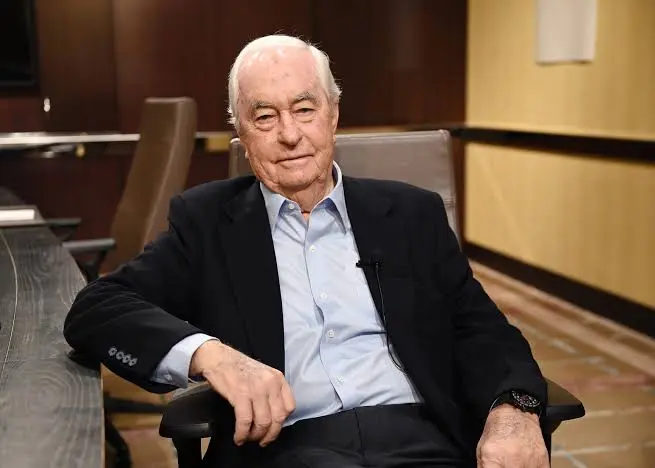
Jonathan Diuguid, who serves as both Penske Racing President and a key figure in Porsche Penske Motorsport, provided a candid explanation for the strategy in recent interviews.
He emphasized that the choice was not driven by performance concerns—both Newgarden and McLaughlin performed well in the test—but by administrative and logistical priorities aimed at maximizing fairness and minimizing compromises within the existing driver group.
Diuguid highlighted the need to manage seat time equitably among the committed full-season drivers. With the GTP class becoming increasingly competitive, the team sought to avoid potential setup compromises, such as adjustments to seat inserts or other personalized configurations that can arise when adding extra drivers for a single event.
“We need fairness,” Diuguid effectively conveyed in his reasoning, stressing the importance of treating all team members equally in terms of track time and preparation.
He noted that the team had success with both three- and four-driver approaches in recent years, giving them valuable data to weigh the pros and cons.
“This is just the decision we decided to make for the Daytona 24 Hours this year,” Diuguid clarified, adding that it should not be viewed as a permanent shift in philosophy.
The tighter nature of the GTP competition, where every small advantage counts, tilted the scales toward a streamlined lineup that reduces variables and ensures consistency for the core drivers who will contest the full IMSA WeatherTech SportsCar Championship season.
The move also reflects broader team dynamics at Porsche Penske Motorsport following a dominant 2025 campaign, where the squad secured back-to-back Rolex 24 victories, the IMSA GTP manufacturers’, teams’, and drivers’ championships, and multiple race wins.
With the program focused on chasing a third straight Daytona crown and IMSA title in 2026, the leadership prioritized continuity and internal equity over expanding the roster for the endurance classic.
For Newgarden and McLaughlin, the news is a disappointment but not necessarily the end of their sports car aspirations.
Newgarden, entering the final year of his Team Penske contract, has remained active in IndyCar testing, while McLaughlin could still pursue opportunities in other classes—such as LMP2 with past partners like Tower Motorsports, which has an opening.
Several of their IndyCar rivals are set to compete at Daytona, adding an extra layer of intrigue to the January 22-25 event.
As the Roar Before the Rolex 24 test approaches and final preparations intensify, Porsche Penske Motorsport heads into the 64th running of the iconic endurance race with confidence in its chosen path.
The three-driver strategy, justified by the pursuit of fairness and operational efficiency, underscores the fine margins that define success at the highest levels of prototype racing.
Whether this approach delivers a historic three-peat remains to be seen, but the team’s rationale has been laid bare: in a championship as demanding as IMSA’s, sometimes less is more when it comes to balancing talent and teamwork.