The recent decision by the Pro Football Hall of Fame selection committee to exclude New England Patriots owner Robert Kraft from the Class of 2026 has ignited widespread controversy, with ESPN analyst Stephen A. Smith leading the charge in a fiery on-air tirade that has captured national attention. On First Take, Smith did not hold back, labeling the institution the “Hall of Shame” and questioning the integrity of the voting process amid what many see as a pattern of snubs targeting the Patriots’ dynasty architects.
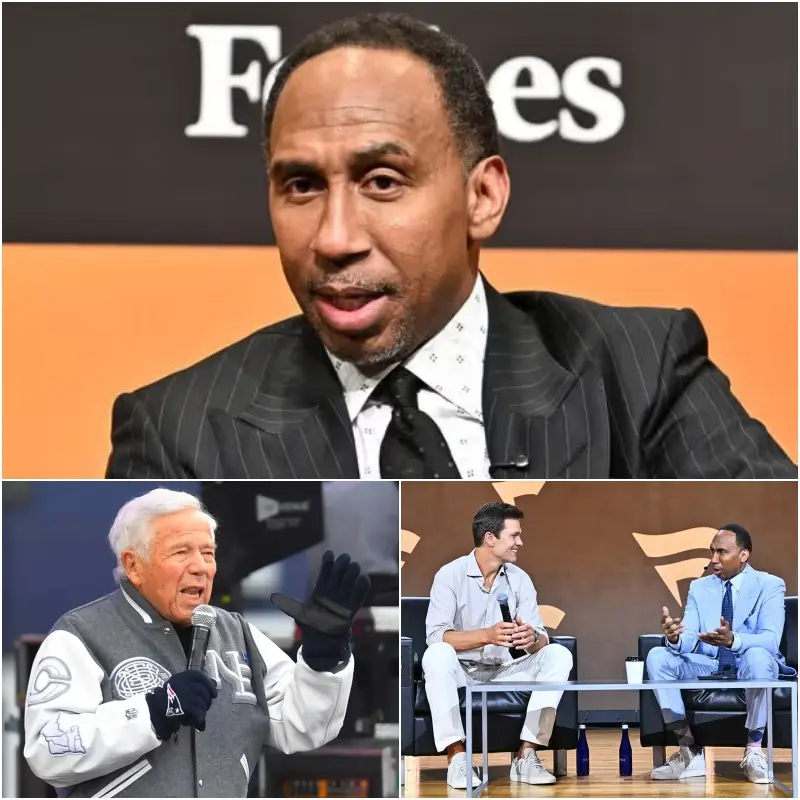
The news broke on February 3, 2026, when multiple sources, including ESPN’s Adam Schefter, confirmed that Kraft, a first-time finalist in the contributors/owners category, failed to secure the required 40 votes out of 50 from the selection committee. He was one of five finalists in a senior/contributor group that also included former Patriots head coach Bill Belichick, along with seniors L.C. Greenwood, Roger Craig, and Ken Anderson. The rules allowed only three inductees from this slate, and voters reportedly prioritized some of the older candidates who may have faced their last realistic chance at enshrinement.
Kraft’s exclusion follows closely on the heels of Belichick’s own first-ballot snub just days earlier, despite his record as the winningest coach in NFL history with six Super Bowl titles alongside the Patriots. The back-to-back oversights have fueled accusations of bias, with critics pointing to lingering resentment over the Patriots’ dominance during the Tom Brady era, including controversies like Deflategate that some believe have tainted perceptions of the franchise among voters.
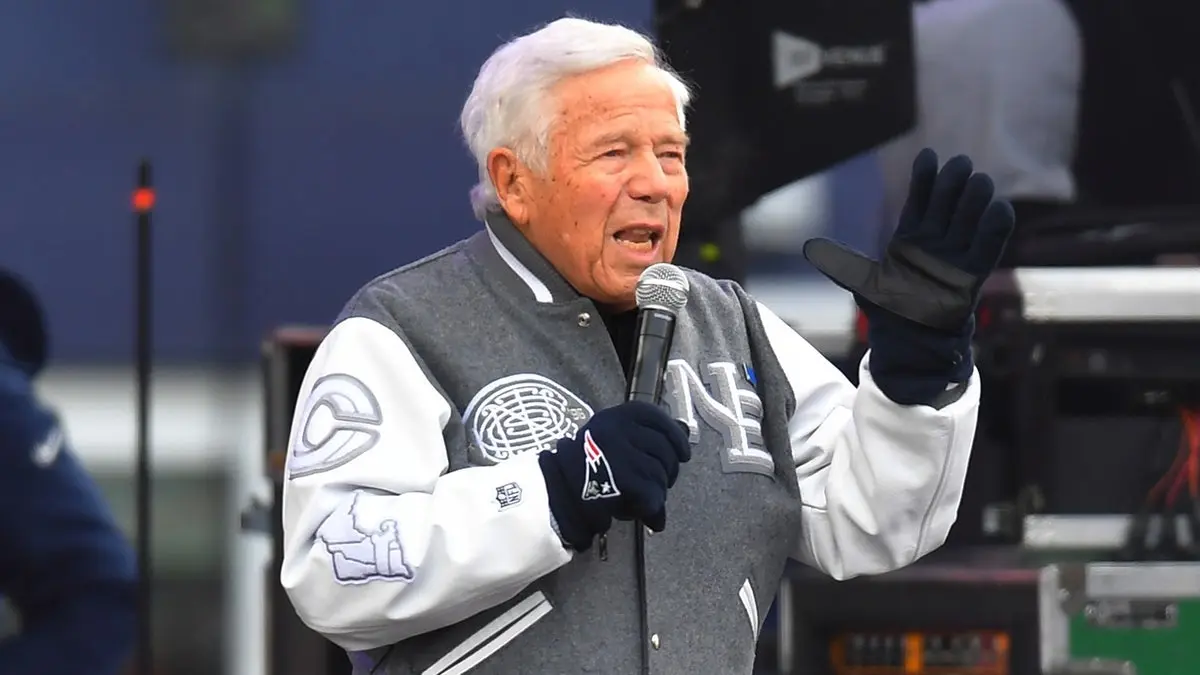
Stephen A. Smith, never one to mince words, erupted in disbelief during the ESPN segment. “I wasn’t surprised. I was appalled,” he declared, emphasizing Kraft’s transformative impact on the league. Under Kraft’s ownership since 1994, the Patriots evolved from a perennial underachiever to one of the most successful franchises in sports history, reaching the Super Bowl multiple times with different head coach-quarterback pairings and capturing six championships. Smith highlighted the owner’s commitment to excellence, community involvement, and stability, arguing that denying him a spot is “egregious” and “disgusting.”
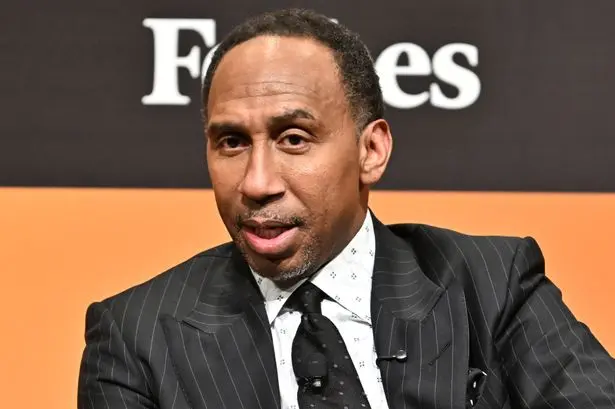
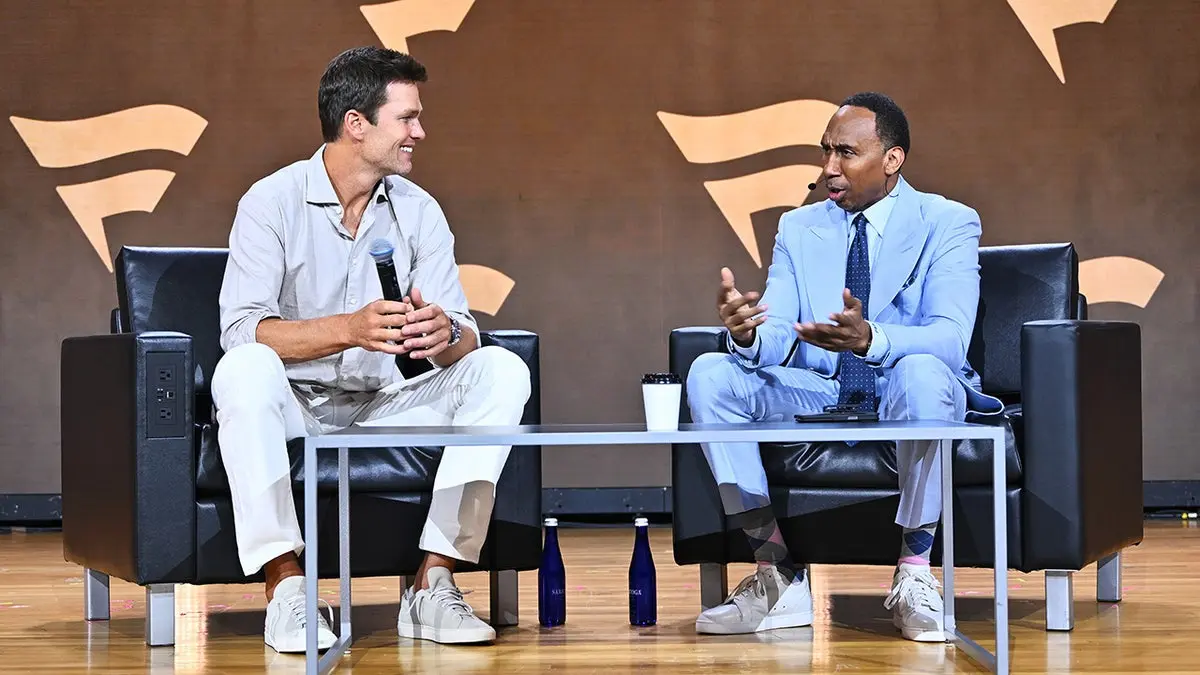
The outspoken commentator went further, connecting the dots to a broader pattern that he believes threatens the legacy of the greatest player in NFL history. “So Belichick is not in. Kraft is not in. What are you going to do next? You going to deny Tom Brady?” Smith challenged. He warned that if the committee blocks Brady—the undisputed GOAT with seven Super Bowl rings, unmatched records in passing yards, touchdowns, and playoff success—from first-ballot induction when eligible (likely in 2028 or beyond), the Hall of Fame would lose all credibility.
“You might as well burn down the building if that happens—there is no Hall of Fame,” he exclaimed. “The credibility of the institution goes right out the freaking window.”
Smith’s rhetoric has sparked a public uproar, with fans, analysts, and former players echoing his sentiments across social media and sports talk shows. Many view the snubs as politically motivated, suggesting that some voters harbor grudges against the Patriots’ prolonged success or are influenced by anti-New England sentiment that has simmered since the team’s dynasty years. The Hall of Fame process, often criticized for its subjectivity and limited slots, has come under renewed scrutiny, with calls for reform or even boycotts surfacing in online discussions.
For his part, Kraft has remained characteristically gracious in response to the news. Reports indicate he expressed disappointment but focused on the bigger picture, continuing to prioritize the team’s current pursuits and his philanthropic efforts. Yet the exclusion stings, especially given his role in not only building a powerhouse but also contributing significantly to league-wide initiatives, including labor negotiations and stadium advancements.
The controversy underscores deeper questions about how the Hall of Fame evaluates non-players. Owners like Kraft, who shape franchises and the sport itself, often face longer waits or inconsistent standards compared to on-field stars. Jerry Jones, another prominent owner, waited years despite his achievements, while others entered more swiftly. Critics argue that personal or regional biases can play a role in these decisions, turning what should be a celebration of excellence into a battleground for old grudges.
As the NFL Honors approach, where the full Class of 2026 will be revealed, the focus remains on the Patriots’ legacy figures. Belichick and Kraft are expected to remain eligible in future cycles, and few doubt their eventual induction. But the immediate fallout has elevated Smith’s warnings to a rallying cry for fairness. If politics or pettiness truly influenced these outcomes, the risk to Brady’s first-ballot status looms large in the minds of many observers.
The episode serves as a reminder that even the most accomplished figures in sports are not immune to the human elements of judgment and opinion. Stephen A. Smith’s impassioned defense has amplified the debate, forcing a broader conversation about what the Pro Football Hall of Fame truly represents—and whether it can withstand accusations of bias without losing the trust of fans and the league alike. In an era where legacies are dissected in real time, the snub of Robert Kraft has become more than a procedural oversight; it’s a flashpoint that challenges the very notion of immortality in Canton.