The tragic story of heartbreaking loss behind King George School’s horse Jango Baie and its owner Tony Barney on that fateful Christmas day.
In the world of horse racing, few stories blend triumph and profound sorrow as deeply as that of Jango Baie and his owner, Tony Barney.
The six-year-old chaser, trained by Nicky Henderson, entered the 2025 Ladbrokes King George VI Chase at Kempton Park on Boxing Day as one of the leading contenders, carrying the hopes of British racing fans eager to see a home-trained winner challenge the Irish dominance.
Yet behind the excitement of this prestigious Grade 1 event lay a heartbreaking tale of loss that has defined Barney’s journey with the horse, a narrative that adds layers of emotion to every stride Jango Baie takes on the track.
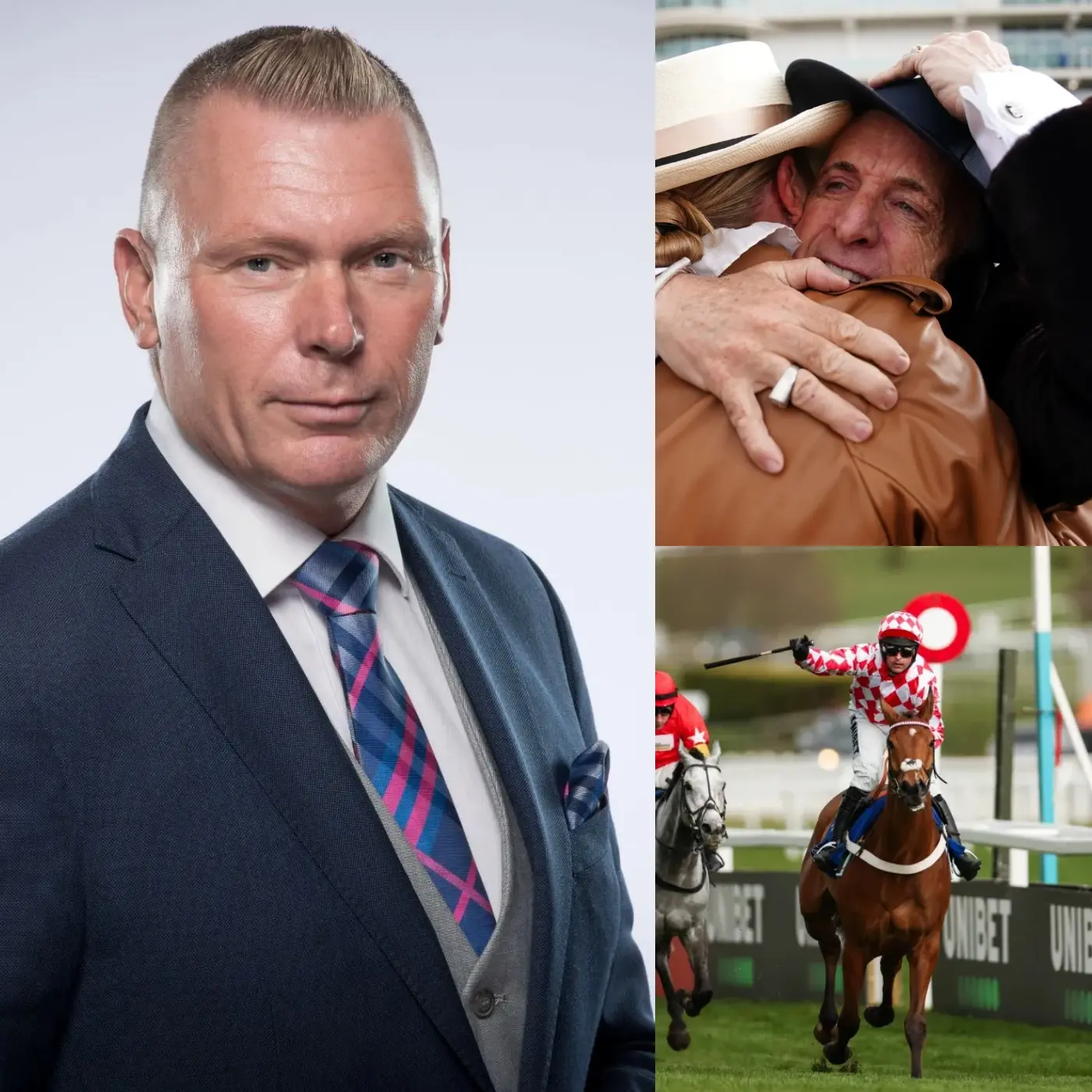
Tony Barney, a successful businessman representing Countrywide Park Homes Ltd, first acquired Jango Baie in February 2023 at a sales auction for £170,000. The purchase was recommended by former jockey Jerry McGrath, who spotted potential in the then-unraced French-bred gelding.
But the day of the sale, February 23, was no ordinary one for Barney. It marked the anniversary of a devastating family tragedy—the death of his son, James Barney, who had been killed in a car accident years earlier.
In a poignant twist of fate, Barney completed the transaction on that very date, a coincidence that has imbued the horse with profound personal significance.
Even the name Jango Baie carries echoes of the past: the initials “JB” mirror those of James Barney, a subtle tribute that Barney has openly acknowledged in interviews.
From the outset, Jango Baie proved to be more than just an investment; he became a source of healing and joy amid grief. The horse quickly progressed through the ranks, winning novice hurdles before transitioning brilliantly to fences.
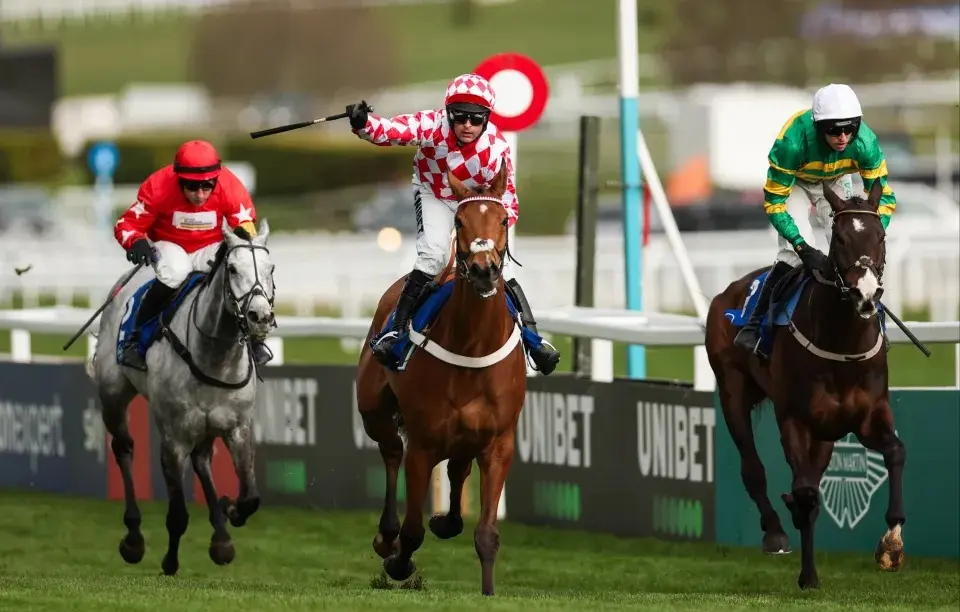
His crowning achievement came at the 2025 Cheltenham Festival, where he claimed the Arkle Challenge Trophy in dramatic fashion.
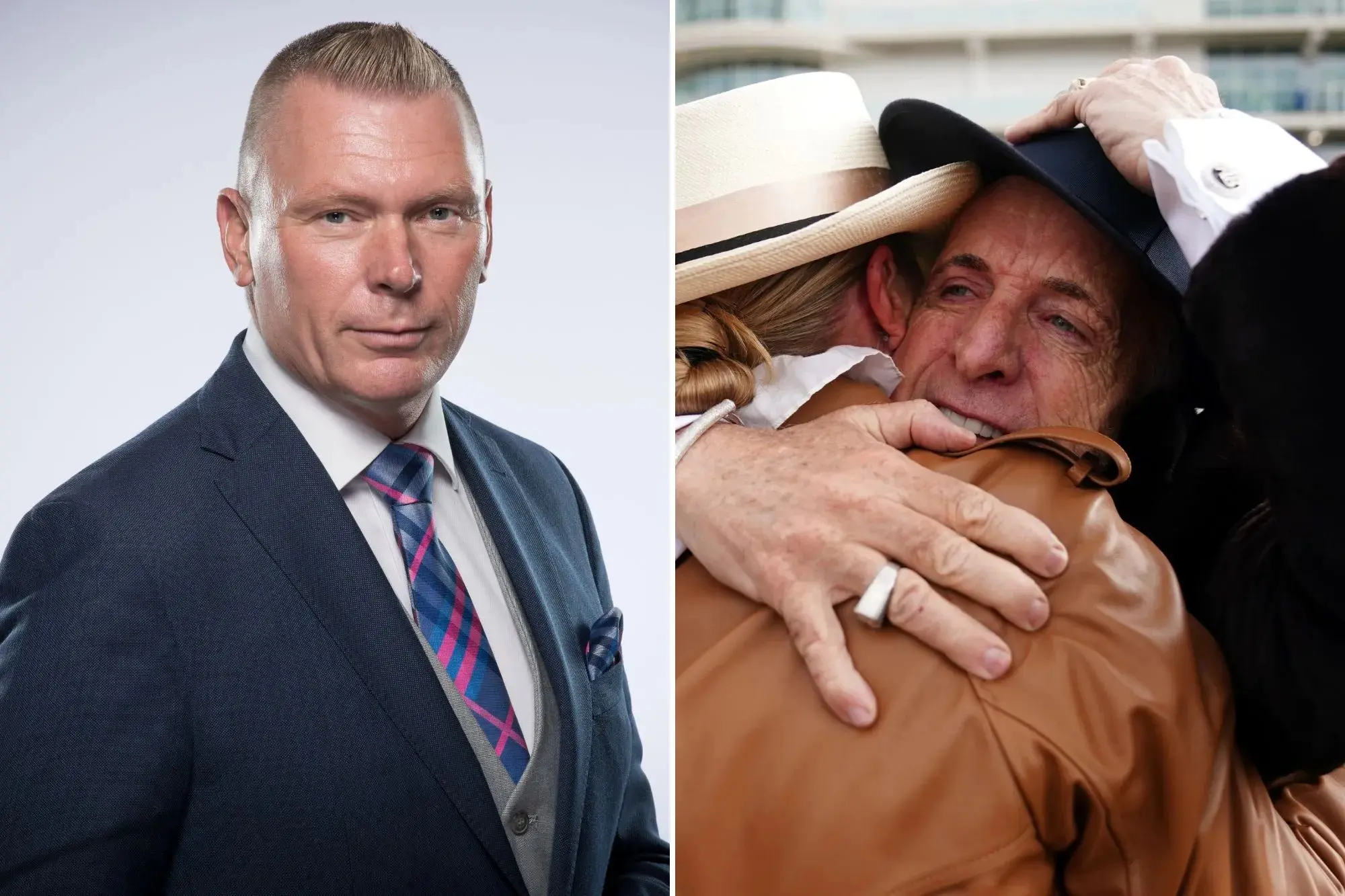
Trailing early and seemingly outpaced over the minimum two miles—a distance many believed was too sharp for his staying pedigree—Jango Baie unleashed a devastating late surge under jockey Nico de Boinville to overhaul his rivals in the closing stages. As he crossed the line, Barney’s emotions spilled over.
“My son’s looking down on me, that’s for sure,” he told reporters, tears in his eyes. “I bought the horse on the day my son got killed.
It’s phenomenal.” The victory was not just a Grade 1 success; it felt like a sign, a connection bridging the earthly and the spiritual, offering solace in the midst of enduring pain.
That emotional high carried into the summer and autumn of 2025. After overcoming setbacks—including a leg injury requiring a screw insertion and a wind operation—Jango Baie returned in November with a commanding nine-length victory in the 1965 Chase at Ascot.
The performance over two and a half miles confirmed suspicions that longer distances would suit him even better, slashing his odds for the King George VI Chase and positioning him as Britain’s leading hope against a formidable Irish raiding party led by Willie Mullins’ stars Gaelic Warrior and Fact To File.
Barney, ever candid about the horse’s irreplaceable value, rejected offers exceeding a million pounds to sell Jango Baie, declaring him “priceless.” In the weeks leading up to Boxing Day, he spoke of sleepless nights and dreams of glory, fully aware that a win in the King George—one of National Hunt racing’s crown jewels—would be the ultimate validation.
“Going into the King George with a fighting chance is incredible,” he said. “It’s a phenomenon, the way I bought him, on that day.” For Barney, every race was a reminder of James, every success a bittersweet celebration watched from above.
The fateful Christmas period of 2025 brought the story to its most public chapter. As families gathered on Christmas Day, Barney’s thoughts undoubtedly turned to memories of his son, the quiet ache beneath the festive cheer amplified by the impending high-stakes contest.
Boxing Day dawned crisp at Kempton Park, with a star-studded field of eight assembling for what many previewers hailed as a vintage renewal. Jango Baie, joint-favorite alongside Gaelic Warrior, was primed for his first attempt at three miles, a trip expected to unlock further improvement.
The race itself lived up to the hype, unfolding as a thrilling spectacle. Front-runner Il Est Francais set a steady pace, tracked by The Jukebox Man and Gaelic Warrior, with Jango Baie traveling strongly in midfield under de Boinville.
As the field turned for home, the contest ignited: four horses—The Jukebox Man (owned by Harry Redknapp), defending champion Banbridge, Gaelic Warrior, and Jango Baie—jumped the final fence almost in unison, locked in a fierce battle.
Harry Redknapp’s The Jukebox Man prevailed by a nose in a photo-finish, with Banbridge second and Gaelic Warrior third. Jango Baie, closing powerfully but just denied a clear run at the leaders in the frantic finish, crossed the line a close fourth, beaten less than two lengths in total.
It was a performance full of promise, confirming Jango Baie’s class over the new distance and earning praise from trainer Henderson, who called it “a terrific race” and noted how strongly his charge finished.
For many owners, such a near-miss in one of the season’s highlights would be cause for celebration. But for Tony Barney, standing in the Kempton unsaddling enclosure on that post-Christmas afternoon, the result carried deeper resonance.
The “fateful Christmas day” had extended into Boxing Day, blending the joy of competition with the shadow of loss. Though victory eluded them, Jango Baie’s gallant effort ensured the story continued—a tale of resilience, remembrance, and unbreakable bonds.
In horse racing, where glory is fleeting and risks ever-present, Jango Baie has given Tony Barney something enduring: a living legacy tied to his beloved son.
As the horse eyes future targets like the Cheltenham Gold Cup, the heartbreaking loss that started it all remains the quiet force driving them forward, a reminder that some stories transcend the winner’s enclosure.