The controversial AFC Divisional Round playoff game between the Buffalo Bills and Denver Broncos on January 17, 2026, has ignited fierce debate across the NFL community, with accusations of rigged officiating and match-fixing surfacing in its aftermath. The Broncos emerged victorious in a thrilling 33-30 overtime win at Mile High Stadium, advancing to the AFC Championship Game for the first time in a decade. However, the outcome has been overshadowed by a series of disputed calls from referee Carl Cheffers’ crew, prompting strong reactions from players, coaches, and former stars.
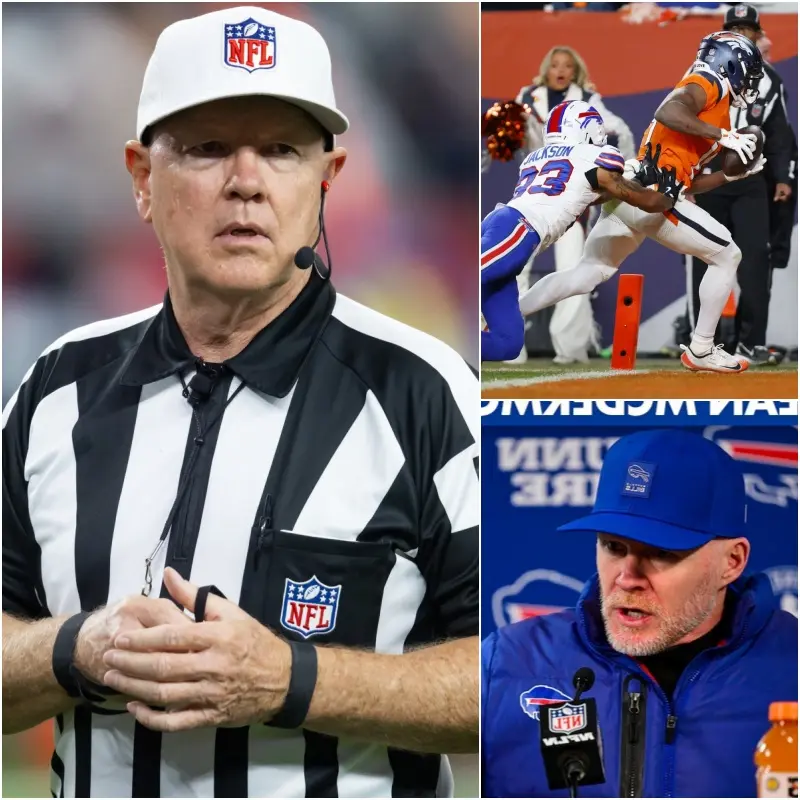
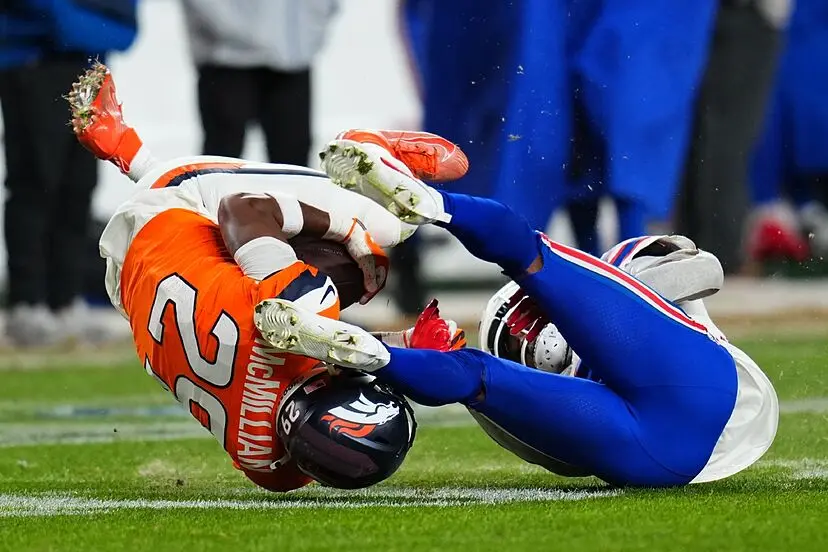
The pivotal moment came in overtime when Bills quarterback Josh Allen connected with receiver Brandin Cooks on what appeared to many as a completed catch. As Cooks went to the ground amid contact with Broncos cornerback Ja’Quan McMillian, the defender stripped the ball away, and officials ruled it an interception. This turnover handed possession to Denver, allowing them to march downfield—bolstered by two defensive pass interference penalties on Buffalo—and set up Wil Lutz’s game-winning 23-yard field goal.
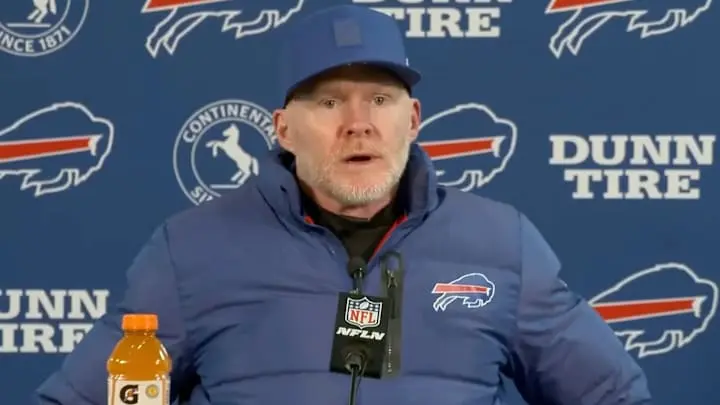
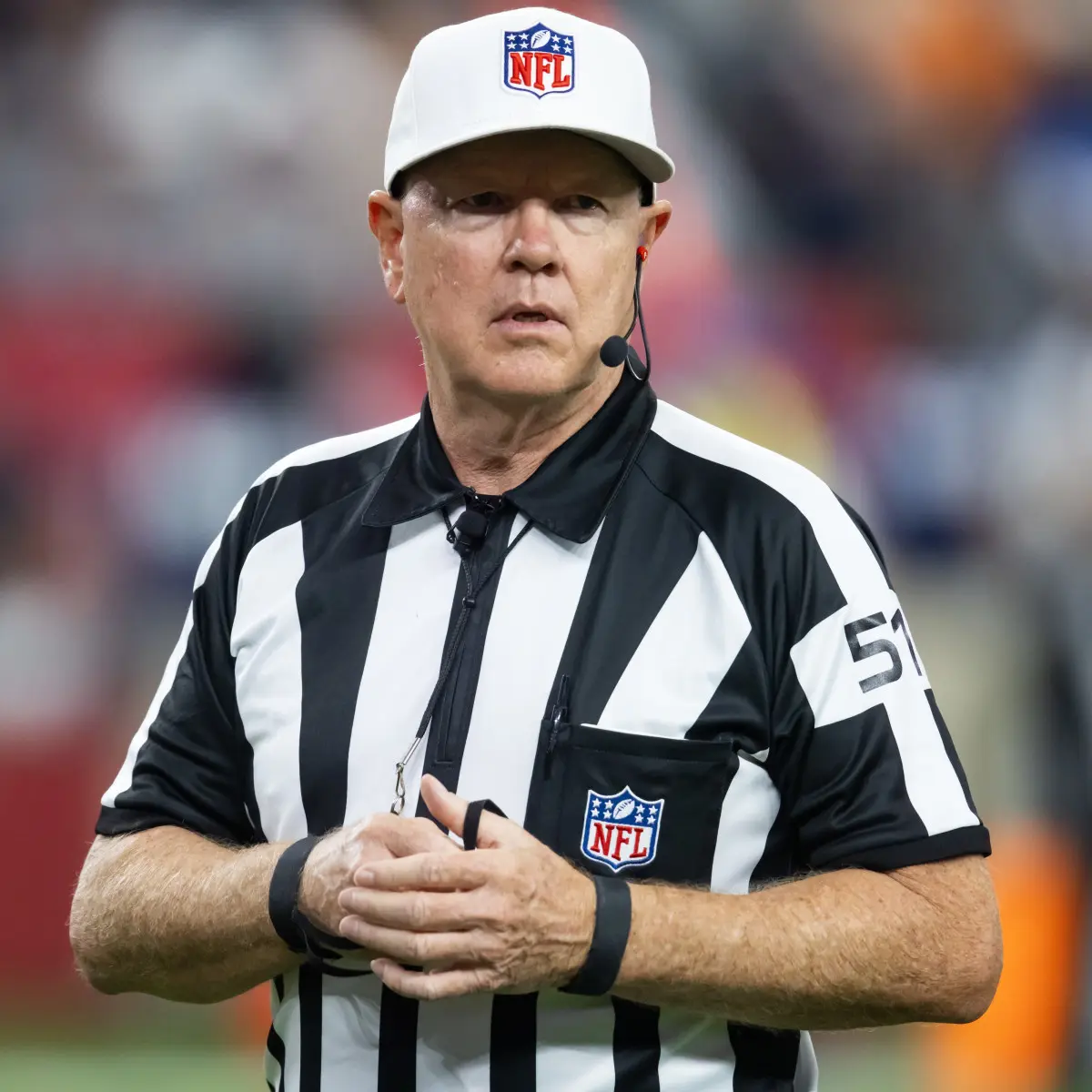
Referee Carl Cheffers addressed the controversial ruling in a post-game pool report, explaining that the play hinged on the “process of a catch” rule. “The receiver has to complete the process of a catch,” Cheffers stated. “He was going to the ground as part of the process of the catch, and he lost possession of the ball when he hit the ground. The defender gained possession of it at that point.” He further confirmed that replay review verified the ball did not touch the ground prematurely, solidifying the interception call. Despite the explanation, the decision left Bills head coach Sean McDermott visibly frustrated. McDermott criticized the lack of opportunity to review the play more thoroughly, noting that even if the call stood, players deserved a measured process involving the head referee and monitor review. “In my eyes, it was [a catch], but even if it wasn’t, the players are owed… let’s slow it down,” he said, emphasizing his defense of Buffalo’s interests.
Adding fuel to the fire, two-time Super Bowl champion and former NFL running back LeSean McCoy—known for his outspoken nature—took to social media to accuse both teams of involvement in match-fixing. McCoy, a veteran with ties to high-stakes games, claimed the officiating discrepancies pointed to something more sinister than mere errors. His comments echoed widespread sentiment among some Bills fans and observers who labeled the game “rigged” or “scripted,” particularly citing an uncalled pass interference on Broncos cornerback Riley Moss during regulation that could have altered momentum earlier.
The broader officiating narrative included complaints of inconsistency. Earlier in regulation, a potential defensive pass interference on a deep throw to Cooks went unflagged, while late penalties on Bills defenders Taron Johnson and Tre’Davious White—described by Cheffers as involving early contact, arm grabs, and restricted movement—extended Denver’s final drive. These calls, combined with the overtime interception, handed the Broncos prime field position despite Buffalo’s resilience in overcoming multiple turnovers from Allen.
The NFL has responded to the mounting scrutiny by launching an urgent internal investigation into the officiating performance in the game. Commissioner Roger Goodell’s office is reviewing the crew’s decisions, replay processes, and any procedural lapses, aiming to ensure transparency and maintain the league’s integrity amid heightened playoff stakes. While no formal findings have been released yet, the probe underscores the NFL’s sensitivity to perceptions of bias or incompetence in critical postseason matchups.
For the Bills, the loss marks another heartbreaking playoff exit, with Allen now 0-7 in overtime career games and questions lingering about roster adjustments and coaching stability. McDermott’s impassioned post-game defense highlighted the emotional toll, as Buffalo’s season ended despite strong performances from key players. Meanwhile, the Broncos celebrate a hard-fought triumph but at a steep cost—starting quarterback Bo Nix suffered a season-ending ankle fracture on the final possession, clouding their championship path.
The episode highlights ongoing challenges in NFL officiating, where subjective rules like the catch process and pass interference continue to spark division. As the investigation unfolds, it serves as a reminder of how razor-thin margins and human judgment can define legacies in professional football. Fans, analysts, and stakeholders await clarity, hoping for measures that restore confidence in the game’s fairness as the postseason marches on.