The New York Rangers Are Still Waiting for Their No. 1 Pick to Become an Elite Scorer — And Time Is Running Out for Alexis Lafrenière
When the New York Rangers won the 2020 NHL Draft Lottery and selected Alexis Lafrenière first overall, it felt like destiny.
A franchise rich in history but starving for a true, homegrown offensive superstar had finally landed “the guy.” Lafrenière wasn’t just another top prospect — he was supposed to be the face of a new era at Madison Square Garden.
Five seasons later, that promise still feels frustratingly unfinished, and the clock is now ticking louder than ever.
Lafrenière entered the league with rare hype. Back-to-back CHL Player of the Year awards, dominant numbers with Rimouski and Québec in the QMJHL, and the kind of swagger scouts dream about. Comparisons to elite NHL wingers weren’t whispers — they were headlines. The expectation was clear: goals, points, star power.
Instead, what the Rangers have gotten is a solid NHL player who flashes brilliance in short bursts but has yet to take the leap into true stardom.

Context matters, of course. Lafrenière’s rookie season came during the COVID-shortened year, with no training camp, empty arenas, and a chaotic schedule. Developmentally, it was the worst possible scenario for a teenager jumping straight into the NHL spotlight. But elite players adapt. Superstars separate themselves even in chaos.
Lafrenière survived — he didn’t dominate.
Since then, the pattern has been stubbornly consistent. He produces respectably, shows strong underlying metrics at five-on-five, and is often praised for his board play and defensive responsibility. Coaches like him. Teammates trust him.
Analysts point to his possession numbers as evidence he’s “doing the right things.” And yet, the raw output — the thing that defines elite scorers — just isn’t there.
For a former No. 1 pick, the bar is brutally high. Rangers fans aren’t looking for “reliable.” They want game-breaker moments. They want a winger who can take over a playoff series, who scares opponents every time he touches the puck. Right now, that description fits Artemi Panarin, not Lafrenière.
And that’s part of the problem.
Panarin’s presence has helped the Rangers win, but it has also boxed Lafrenière into an awkward role. He has spent much of his career bouncing between lines, often stuck in the bottom six, rarely getting sustained time with elite playmakers.
Power-play opportunities have been inconsistent, and when chances do come, one mistake often sends him right back to the bench. Development by committee doesn’t work for every player — and it may have slowed Lafrenière’s offensive evolution.

Still, excuses only go so far. At some point, talent must force a coach’s hand. True elite scorers don’t need perfect situations; they create them. Lafrenière has shown flashes — a strong playoff run here, a hot stretch there — but the sustained dominance has never arrived.
The league is full of former top picks who were “almost” stars. History is not kind to those who linger too long in that category.
What makes the situation more pressing is where the Rangers are as a franchise. This is a win-now team. Igor Shesterkin is in his prime. Panarin, Mika Zibanejad, Chris Kreider, and Adam Fox aren’t getting younger.
Management is under pressure to maximize this competitive window, not wait indefinitely for a former prospect to figure it out. Every season Lafrenière remains a question mark is a season the Rangers gamble with their championship hopes.
Contract dynamics only add fuel to the fire. Lafrenière’s next deal will be a defining moment. Is he paid like a cornerstone or a middle-six contributor? Overpaying based on draft pedigree would be risky.
Undervaluing him could lead to a breakout elsewhere — a nightmare scenario Rangers fans know all too well. The front office must decide whether belief outweighs evidence.
There’s also the uncomfortable truth that Lafrenière’s confidence has visibly wavered at times. Elite scorers play with arrogance. They demand the puck, shoot without hesitation, and live with mistakes. Too often, Lafrenière seems tentative, opting for the safe play instead of the lethal one.
That’s coachable — but only if the player embraces the mindset shift.
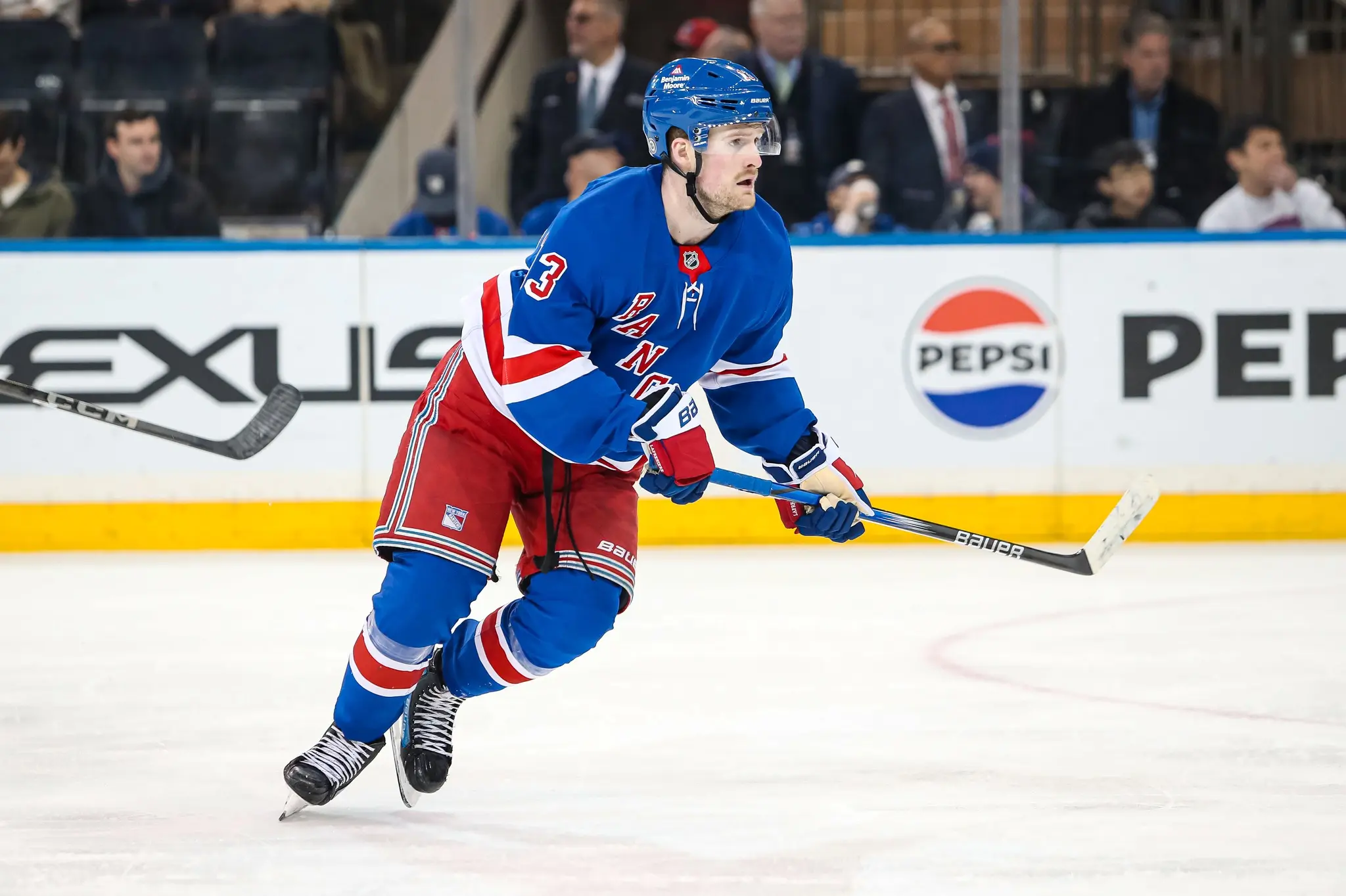
This season feels like a crossroads. Not a “development year.” Not a “wait and see” situation. A crossroads. Either Lafrenière starts driving offense consistently — not just contributing, but leading — or the Rangers must confront a reality they’ve quietly avoided: their No.
1 pick may never become the elite scorer they envisioned.
That doesn’t mean Lafrenière is a bust. Far from it. He’s an NHL regular, a useful piece on a good team, and still young enough to surprise. But the gap between “good NHL player” and “franchise-changing star” is massive — and that gap is where expectations live and die.
New York is not a patient market. It never has been. The Garden demands stars, not projects. Lafrenière still has time, but it’s no longer abundant. For the Rangers, hope is fading into urgency. For Lafrenière, this may be the season that defines his career — one way or another.