The horse racing world continues to grieve the tragic loss of Stefano Cherchi, a promising young jockey whose life was cut short at the age of 23 following a devastating fall during a race at Canberra’s Thoroughbred Park.
On March 20, 2024, Cherchi was aboard Hasime, a horse trained by Robert Quinn, in what appeared to be a routine contest—the Affinity Electrical Technologies Plate.
Leading the race at the time, Cherchi and Hasime were in a strong position, showcasing the talent and determination that had already seen the Sardinian-born rider achieve remarkable success despite his young age.
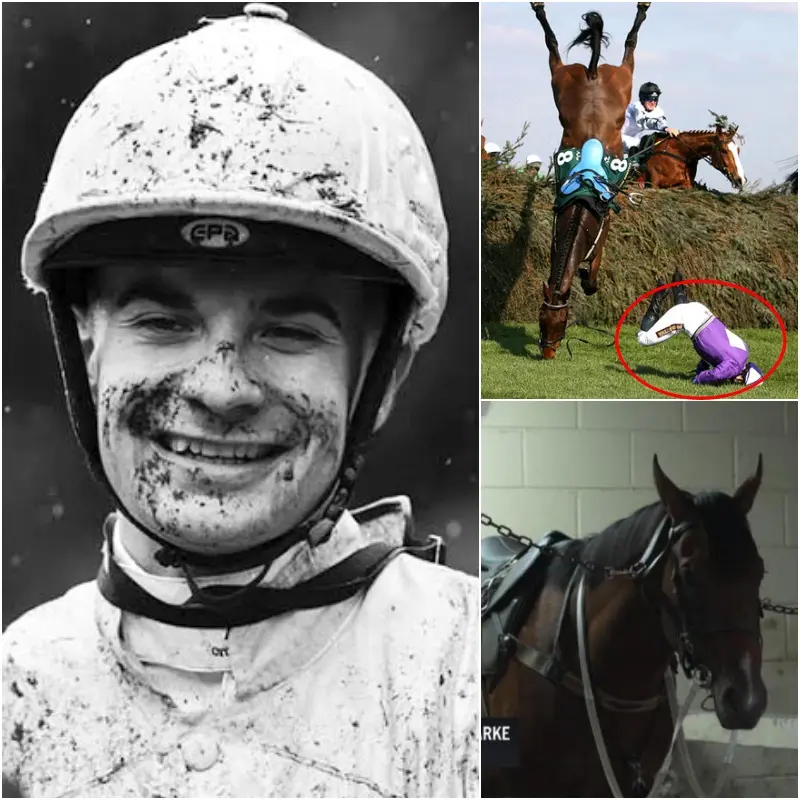
The incident unfolded in heartbreaking fashion. As the field navigated the track, Hasime suddenly fell, an event described in reports as a freak accident that brought down two other runners. Riders Shaun Guymer and Jeff Penza were unseated but escaped without serious injury, and all horses involved walked away unharmed.
For Cherchi, however, the outcome was far more severe. He sustained a serious head injury along with internal bleeding, injuries that required immediate medical attention on the track. Paramedics worked for approximately an hour to stabilize him before he was airlifted to a Canberra hospital.
There, doctors placed him in an induced coma in the intensive care unit, where he fought for his life over the following two weeks.
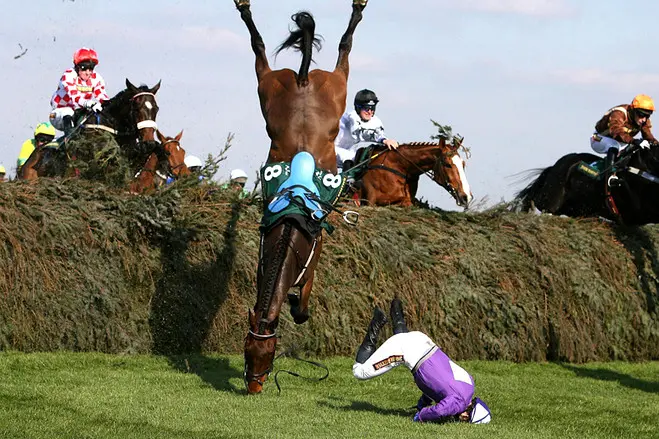
Cherchi’s family, including his parents and girlfriend, remained by his side throughout this agonizing period. On April 3, 2024, the New South Wales Jockeys Association delivered the devastating news that he had passed away peacefully, surrounded by his loved ones.
The announcement sent shockwaves through the global racing community, prompting an outpouring of tributes from jockeys, trainers, owners, and fans who had followed his career with admiration.
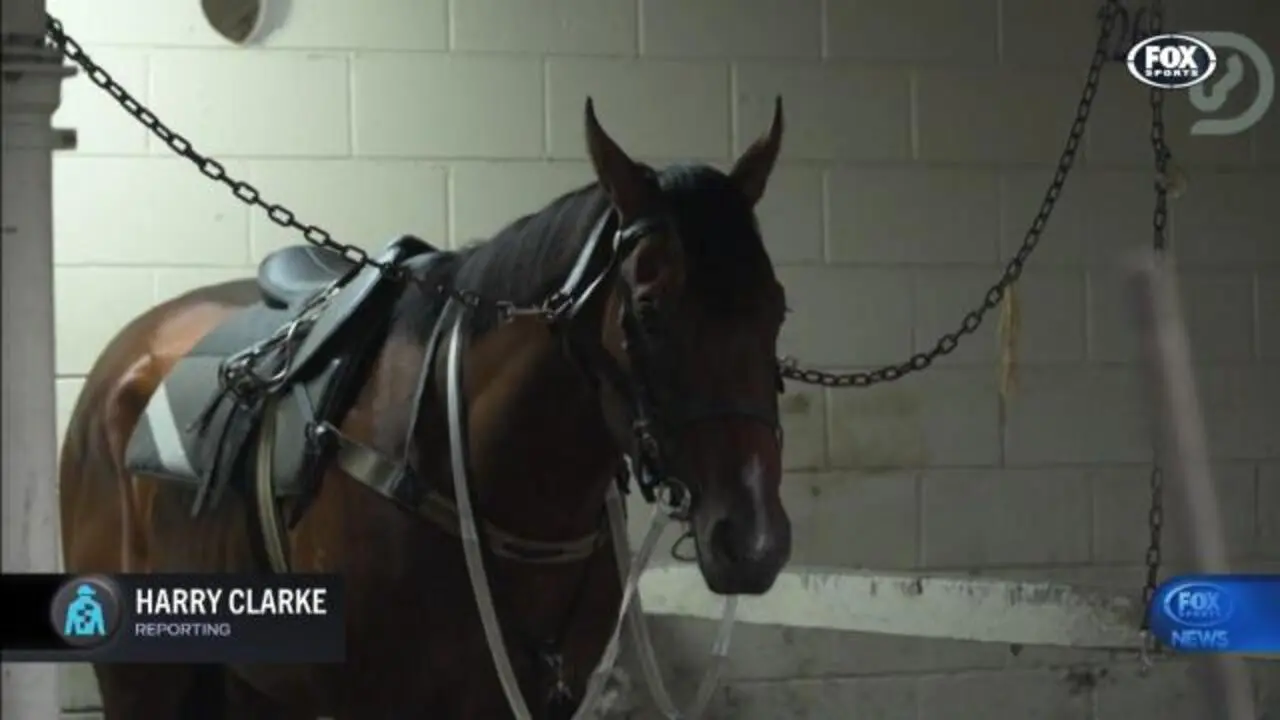
Born in Sardinia, Italy, on March 8, 2001, Cherchi discovered his passion for horse racing early and pursued it with unwavering commitment. He moved to the United Kingdom to apprentice under trainer Marco Botti in Newmarket, quickly establishing himself as one of the most exciting young talents in the sport.
Over the course of his career in Britain, he rode more than 100 winners, a testament to his skill, work ethic, and ability to form strong partnerships with horses. His breakthrough moments included notable victories that highlighted his potential to become a leading figure in the weighing room.
Cherchi’s style was characterized by quiet confidence and tactical intelligence, qualities that endeared him to those who worked with him.

Seeking further opportunities, Cherchi had relocated to Australia, where he continued to build his reputation in a highly competitive environment. The move reflected his ambition to test himself on different tracks and against top competition.
Racing in Australia represented a new chapter, one filled with promise and the chance to expand his achievements beyond Europe. Tragically, that chapter ended far too soon.
What makes this loss particularly painful is the suddenness and the senseless nature of the accident. While falls are an inherent risk in horse racing—a sport that demands immense courage from both horse and rider—the details of this one have left many reeling.
Hasime’s fall appeared inexplicable, with no clear contributing factor such as a misstep on poor ground or interference from another runner widely reported. The horse was performing well, and Cherchi was in control, leading the race before the moment everything changed.
Investigations into the incident focused on track conditions and safety protocols, but no definitive “secret” or hidden cause emerged beyond the unpredictable dangers that jockeys face every time they mount up.
The racing world has long grappled with these realities, yet each tragedy renews calls for enhanced safety measures, better protective equipment, and ongoing research into preventing catastrophic injuries.
Cherchi’s death is a stark reminder of the fragility of life in a high-stakes profession. Jockeys weigh risks daily, pushing physical limits while trusting their mounts and the sport’s infrastructure to keep them safe.
When a young rider with so much ahead of him is lost, the grief is profound and collective. Colleagues who knew him spoke of his warmth, humility, and infectious enthusiasm. He was not just a competitor but a friend to many in the tight-knit racing family.
Tributes flooded in from across the globe. Fellow jockeys shared memories of riding alongside him, trainers recalled his dedication in the stable yard, and fans expressed sorrow over a career interrupted before it could fully bloom.
The New South Wales Jockeys Association’s statement captured the sentiment: “With deep sadness, the Cherchi family have announced their beloved son Stefano passed away peacefully today.” Similar messages echoed from organizations in Britain and Italy, where he had left lasting impressions.
The impact extends beyond personal loss. It prompts reflection on the human cost of horse racing and the need to honor fallen riders by striving for a safer future.
Improvements in helmet design, medical response times, and track maintenance have saved lives in recent years, yet incidents like this underscore that more work remains. Cherchi’s story adds urgency to those efforts, ensuring that his memory drives positive change.
In the days and weeks following his passing, racing paused to remember. Minutes of silence were observed at meetings, black armbands worn, and funds established in his name to support jockey welfare.
His family requested privacy amid the public mourning, but the sport’s response demonstrated the depth of respect he commanded.
Stefano Cherchi’s journey was brief but brilliant. From the hills of Sardinia to the tracks of Newmarket and Canberra, he lived his dream with passion and grace. Leading on Hasime that fateful day symbolized the heights he was reaching.
His death leaves an irreplaceable void, a painful reminder that even in triumph, danger lurks. The horse racing world mourns not only a talented jockey but a young man whose light shone brightly and was extinguished too soon.
In remembering him, the community finds solace in celebrating his achievements and vowing to carry forward the spirit he embodied—courageous, dedicated, and forever part of racing’s enduring legacy.