The most heartbreaking and unforgettable moment of early 2026: The horrific accident at the Hapi Jockey Club racetrack claimed the life of 32-year-old jockey Elvin Abrea right on the racetrack! He fell from his horse after a collision and was mercilessly trampled by other horses… This is the most painful and shocking loss of life in the horse racing industry recently, pushing racetrack safety and protective gear to the peak of intense debate over the past few years.
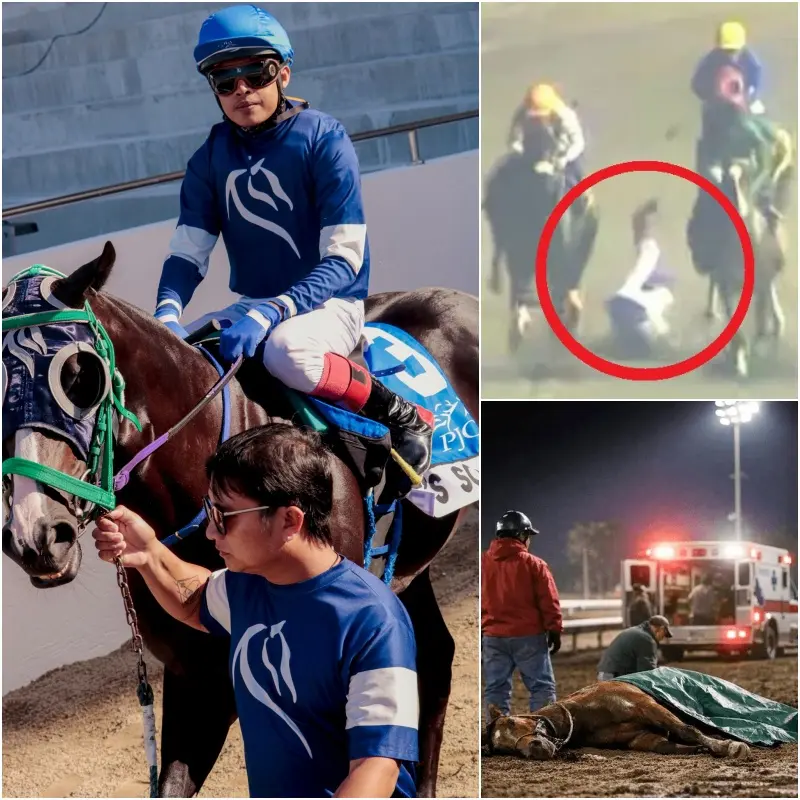
In the early days of 2026, the horse racing world was struck by profound grief following a devastating incident that unfolded on January 17 at the Hapi Jockey Club racetrack in Padre Garcia, Batangas, Philippines. The track, the country’s only operational racecourse and one that had opened just months earlier in November 2025 under the Philippine Jockey Club, became the site of an unimaginable tragedy. Jockey Elvin Abrea, a 32-year-old rider who had already notched one victory since the venue’s inauguration, lost his life in a mid-race fall during the sixth race of the day’s meeting.
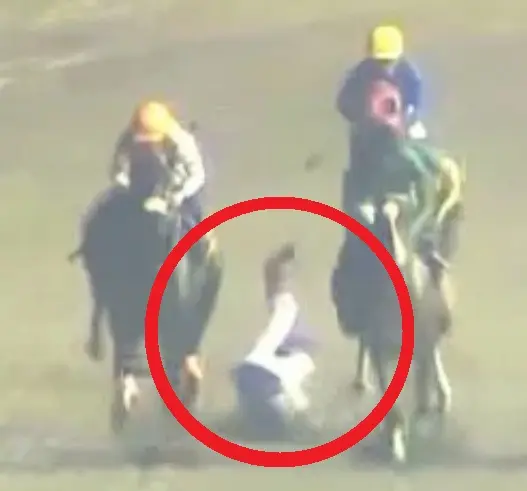
Abrea was aboard Fly With The Wind, a 4-year-old filly competing in a seven-horse field. As the race progressed, Fly With The Wind shifted right and appeared to clip the heels of the leading horse, Magnolia Ariana, ridden by jockey JL Paano. The sudden contact caused Fly With The Wind to stumble and fall, violently unseating Abrea and hurling him onto the turf. In the chaos that followed, trailing horses could not avoid the fallen jockey, and he was tragically trampled. Despite immediate medical response, Abrea’s injuries proved fatal, and his passing was confirmed shortly afterward.
The Philippine Jockey Club issued a somber statement expressing deep sorrow: “The Philippine Jockey Club mourns the passing of jockey Abrea, who sadly passed away following a riding incident.” They extended heartfelt condolences to his family, friends, and the broader racing community. In a gesture of respect, racing was canceled for the following day, January 18, creating what officials described as a “deeply sombre” atmosphere across the industry. The Philippine Racing Commission joined in the mourning, with PHILRACOM chairman Aurelio P. De Leon declaring a Racing Holiday to honor Abrea’s memory.
This accident stands out as one of the most shocking fatalities in recent horse racing history, particularly given the relative newness of the Hapi Jockey Club facility. The track’s short operational history amplified the sense of disbelief— a venue intended to revive and modernize racing in the Philippines was instead marked by profound loss in its infancy. Video footage of the incident, which circulated widely online, captured the horrifying sequence: the clip of heels, the abrupt fall, and the unavoidable trampling that ensued.
Viewers and industry insiders alike described it as heartbreaking, with many expressing that the images would remain etched in their minds as a stark reminder of the sport’s inherent dangers.
Abrea’s death has reignited fierce discussions about safety in horse racing, a topic that has simmered for years amid ongoing concerns over jockey protection and track standards. While the sport has made strides in some areas—such as improved starting gates, better surface maintenance, and mandatory safety protocols—the persistent risk of catastrophic falls remains. Jockeys ride at high speeds with minimal protection beyond helmets, vests, and boots, yet incidents like this highlight vulnerabilities when a rider hits the ground in the path of oncoming horses.
In the wake of the tragedy, calls for enhanced protective measures have grown louder. Advocates point to advancements in body armor, including airbag vests that deploy upon impact, which have been adopted in some jurisdictions but are not yet universal. There is also renewed scrutiny of race design, such as field sizes, track configurations, and protocols for loose horses or fallen riders. In the Philippines, where racing infrastructure is limited, this incident has prompted questions about whether the new track incorporated the latest global safety recommendations from the outset.
Globally, horse racing has faced similar heartbreaking moments in recent times, from fatalities in major racing nations to near-misses that underscore the fine line between thrill and peril. The sport’s stakeholders often emphasize that safety improvements are ongoing, driven by data from veterinary and regulatory bodies. Yet critics argue that progress is too slow, especially when financial pressures on smaller tracks and emerging venues limit investments in cutting-edge safeguards. Abrea’s passing adds urgency to these debates, as it occurred at a facility meant to represent a fresh chapter for Philippine racing.
The racing community in the Philippines and beyond has rallied in tribute to Abrea. Fellow jockeys, trainers, owners, and fans have shared memories of his dedication and skill, noting his passion for the sport despite its risks. Social media platforms overflowed with messages of condolence, with hashtags honoring his name and calls for unity in pushing for change. One prominent post from a racing group simply read: “Rest in peace, jockey Elvin Abrea,” accompanied by prayers and reflections on the fragility of life in the saddle.
As investigations into the exact circumstances continue—focusing on the clip of heels and subsequent events—the incident serves as a somber wake-up call. It reminds participants and spectators alike that behind every race is a human element: riders who entrust their lives to powerful animals and fragile equipment. For the family of Elvin Abrea, the loss is personal and irreplaceable—a young man in his prime, taken too soon from a profession he loved.
The horse racing industry now faces the challenge of turning grief into meaningful reform. Whether through stricter protocols, advanced gear mandates, or greater emphasis on rider training, the hope is that such tragedies can be minimized. Until then, the memory of that fateful race on January 17, 2026, lingers as a painful milestone—one that has left an indelible mark on a sport forever balancing excitement with the ever-present shadow of danger.