THE MASS DEATH TRAGEDY AT THE CAULFIELD CUP
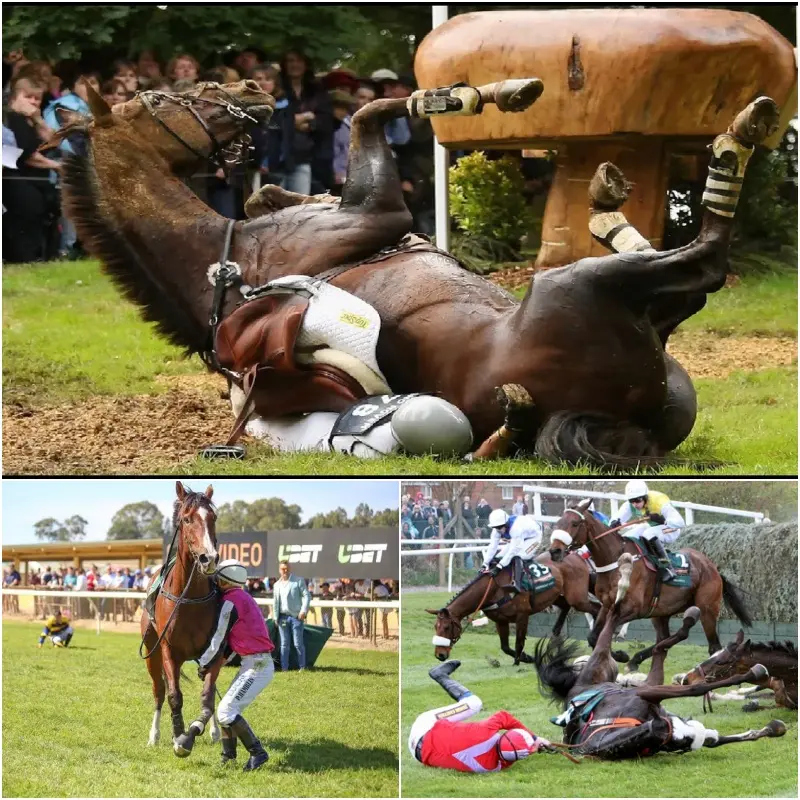
In the annals of Australian horse racing, few events have left as indelible a mark of horror and sorrow as the catastrophic pile-up during the 1885 Caulfield Cup. Held on October 17, 1885, at Caulfield Racecourse in Melbourne, the race is remembered not for its winner or the thrill of competition, but as the site of what remains the worst multiple-horse fall in the nation’s racing history.
Of the 44 horses that lined up for the prestigious handicap event over 2400 metres, a staggering 15 to 17 came crashing down in a chaotic chain reaction just as the field turned into the home straight, claiming the life of a promising young jockey and injuring several others in scenes that shocked the sporting world.
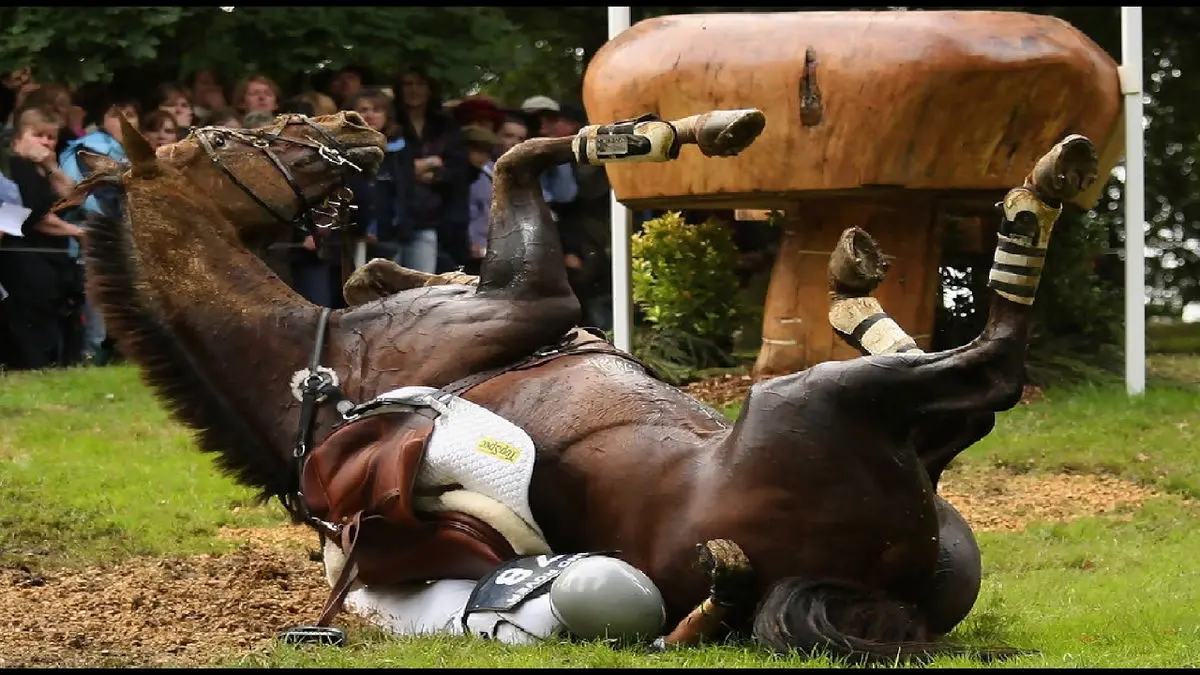
The Caulfield Cup, already one of the highlights of the spring carnival and a key lead-up to the Melbourne Cup, drew enormous crowds that Saturday afternoon. The large field—unusually big even by the standards of the era—reflected the race’s growing popularity and the handicap conditions that allowed a wide range of horses to compete. As the runners approached the final bend, tension was high. Eyewitness accounts from contemporary newspapers, including The Argus, described a sudden, terrifying sequence of events. One horse reportedly faltered or clipped heels, triggering a domino effect that engulfed a large portion of the field.
Horses tumbled over one another, jockeys were hurled to the ground, and the dust and confusion made it impossible for those behind to avoid the wreckage. The scale of the disaster was unprecedented: 15 or more runners fell in the melee, turning what should have been an exhilarating finish into a scene of devastation.
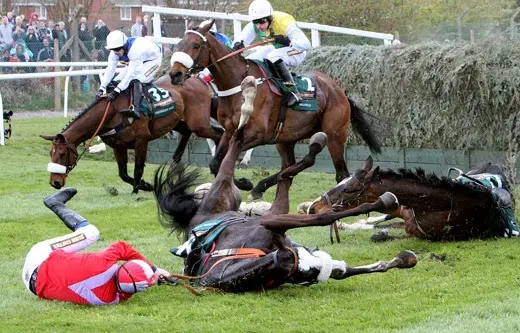
Among the fallen was Donald Nicholson (sometimes spelled Nicolson), a 25-year-old jockey riding Lord Exeter. Nicholson, regarded as one of the rising talents in the saddle, suffered fatal injuries in the crush. Reports from the time detailed how he was thrown heavily and trampled amid the chaos, sustaining injuries so severe that he died shortly afterward. His death was confirmed in coronial inquiries held in the days following the race, with witnesses recounting the grim aftermath at the Spread Eagle Hotel in Richmond, where the inquest took place.
Nicholson’s passing was a profound loss; he had already amassed a solid record of wins and was seen as a jockey with a bright future in Victoria’s competitive racing scene.
The accident left several other jockeys seriously injured, though exact numbers varied in reports from the era. Some were bruised and concussed, while others required prolonged medical attention for fractures and internal injuries. Miraculously, no other human fatalities were recorded, but the physical and emotional toll on those involved was immense. Horses, too, suffered in the pile-up, with some sustaining broken limbs or other trauma that likely led to euthanasia in the days that followed, though records from 1885 are less detailed on equine outcomes compared to modern standards.
The tragedy provoked immediate and widespread outrage. Racing authorities, under pressure from the public and the press, temporarily suspended operations at Caulfield Racecourse pending a thorough investigation. Questions were raised about track conditions, the wisdom of running such large fields, and broader safety measures in an era when protective gear for jockeys was minimal and veterinary oversight was rudimentary. Newspapers of the day, from The Argus to regional publications like The Mercury in Hobart and The West Australian, carried vivid descriptions of the “terrible accident” and called for reforms.
The incident was labeled Australia’s worst race fall, a title it has retained for over 140 years, as no subsequent event has matched its scale in terms of simultaneous falls.
In the wake of the disaster, the racing industry faced uncomfortable scrutiny over its ethics. Critics argued that the pursuit of spectacle and gambling revenue had come at too high a cost to both human and animal lives. The large field sizes, while exciting for punters, increased the risk of multi-horse incidents, especially on turning tracks like Caulfield’s. Animal welfare concerns, though less organized than today, began to surface more prominently in public discourse. The event underscored the inherent dangers of Thoroughbred racing, where speeds exceed 60 km/h and margins for error are razor-thin.
Over the decades, the 1885 Caulfield Cup has been referenced in histories of the sport as a pivotal moment that prompted incremental safety improvements. Field sizes were eventually capped—today’s Caulfield Cup limits starters to 18 with emergencies—better track maintenance became standard, and advances in jockey equipment, medical response, and veterinary care have reduced fatality rates. Yet the memory lingers as a stark reminder of the sport’s risks. Modern incidents, such as isolated breakdowns or falls in races like the Melbourne Cup, still spark debates about the ethics of horse racing, animal rights protests, and calls for stricter regulations.
Groups like the Coalition for the Protection of Racehorses continue to highlight annual equine fatalities, drawing indirect lines back to tragedies like 1885.
The 1885 Caulfield Cup stands as a somber chapter in Australian sporting history. It claimed the life of Donald Nicholson, injured many, and forced the industry to confront its darker realities. While the race itself resumed and evolved into one of the world’s premier handicap events, attracting international contenders and multimillion-dollar prize money, the shadow of that October day remains. It serves as a cautionary tale about the fragile line between triumph and tragedy in horse racing, urging ongoing vigilance to prevent such a mass calamity from ever recurring.