THE HORRIFYING SECRET BEHIND THE MOST PRESTIGIOUS RACE
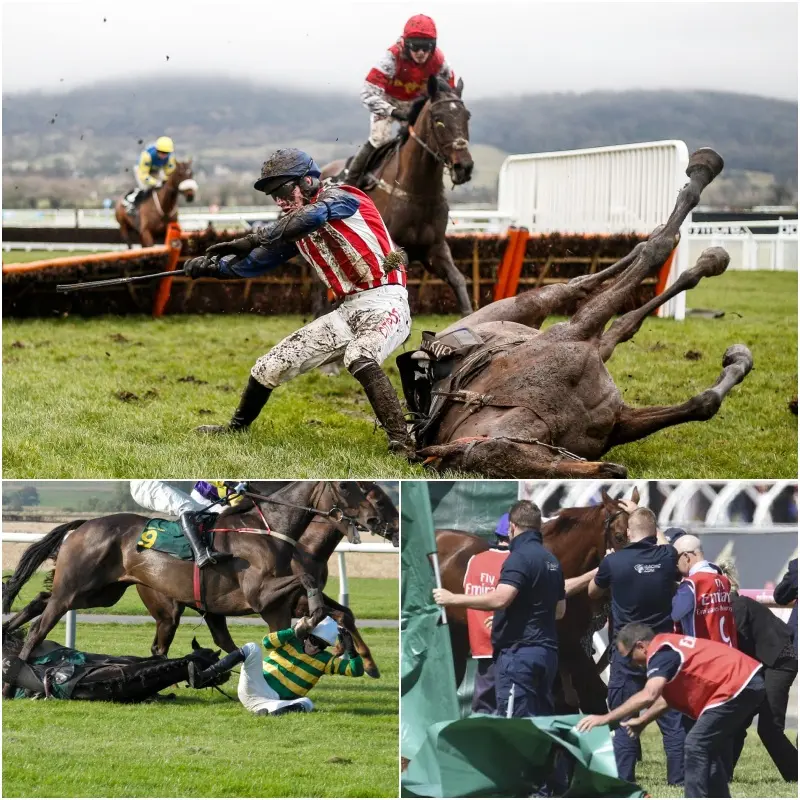
In the glittering world of thoroughbred racing, few events command as much global attention and national pride as the Melbourne Cup. Dubbed “the race that stops a nation,” this annual spectacle at Flemington Racecourse in Melbourne draws massive crowds, billions in betting turnover, and widespread media coverage every first Tuesday in November. Yet beneath the glamour of fashion, champagne, and triumphant winners lies a grim reality that has long haunted the industry. Recent revelations, including the public release of detailed records documenting horse fatalities, have amplified outrage and sent shockwaves through the international horse racing community.
These files, compiled from industry data, veterinary reports, and activist monitoring, expose a pattern of deaths among racehorses and, in some cases, injuries to jockeys that have gone largely uncompensated, with no mandatory insurance payouts for affected parties.

The most striking aspect of these uncovered records is the sheer scale of equine fatalities linked to the broader racing calendar that culminates in the Melbourne Cup. According to the 2025 DeathWatch report by the Coalition for the Protection of Racehorses (CPR), at least 175 thoroughbred racehorses died in Australia during the 2024-2025 racing season due to injuries sustained in racing or training. This figure, described as a record high since tracking began in 2014, translates to an average of one horse dying every two days on Australian tracks.
The report highlights catastrophic injuries, predominantly to front limbs, as the leading cause, often resulting in immediate euthanasia on the track or shortly after. While not all these deaths occurred directly in the Melbourne Cup itself, the event serves as the pinnacle of a system where horses are pushed to their physical limits in pursuit of prestige and profit.

Historically, the Melbourne Cup has been marred by its own tragic toll. Since 2013, at least six horses have died either during or immediately following the race, with a seventh fatality on Cup Day in related events. Notable cases include high-profile international contenders like Anthony Van Dyck in 2020, who fractured a fetlock and was euthanized; Cliffs of Moher in 2018, who suffered a fatal shoulder injury; and Admire Rakti in 2014, who collapsed from cardiac arrest after finishing last.
Earlier incidents, such as the 2015 euthanasia of Red Cadeaux due to surgical complications from a fetlock injury, underscore a recurring theme: the grueling 3,200-meter distance, combined with heavy weights, firm tracks, and intense competition, places enormous strain on these fragile athletes. Over the past decade, more than 1,400 horses have perished on Australian racetracks overall, a statistic that critics argue reveals an industry built on disposable lives.

What has intensified the current uproar is the official release of comprehensive lists detailing these incidents without accompanying measures for compensation or insurance reform. Families of affected jockeys, trainers, and owners—along with animal welfare advocates—have pointed out that while the racing industry generates enormous revenue through wagering, sponsorships, and media rights, there appears to be no standardized mechanism to support those impacted by fatalities. Jockeys who suffer career-ending injuries or, in rare cases, lose their lives in falls receive limited payouts in many instances, and horse owners often bear the full financial burden of lost investments without recourse.
The absence of mandatory, industry-wide insurance for such tragedies has fueled accusations of systemic neglect, where the focus remains on spectacle rather than safety or accountability.
Animal rights groups have seized on these disclosures to renew calls for sweeping change. Organizations like the Coalition for the Protection of Racehorses and World Animal Protection describe the Melbourne Cup as a “carnival of cruelty,” arguing that the deaths are not isolated accidents but the inevitable outcome of breeding horses for speed over welfare, over-racing young animals, and prioritizing commercial pressures. Protests under the banner “Nup to the Cup” have grown in recent years, with demonstrators gathering outside Flemington to highlight the ethical costs.
They point to additional off-track suffering, including the fate of retired racehorses—many of whom end up in slaughterhouses despite industry assurances—and the use of whips, which has drawn fines for excessive use in past Cups.
The racing industry has responded by emphasizing reforms implemented in recent years. Racing Victoria introduced stringent veterinary protocols in 2021 following a cluster of fatalities, including advanced imaging like CT and PET scans to detect pre-existing injuries. Officials insist that equine welfare is a top priority, with pre-race scrutineering, track condition monitoring, and limits on starts for horses. Yet critics contend these measures are insufficient, as evidenced by the record death toll in 2024-2025. Allegations have surfaced of pressure on veterinary staff to clear high-risk horses, further eroding public trust.
The global horse racing community watches closely, as the Melbourne Cup’s prestige makes it a bellwether for the sport. International participants, often from Europe, Japan, and elsewhere, bring added scrutiny, especially when foreign horses suffer fatal injuries. The lack of compensation frameworks not only affects Australian stakeholders but raises questions about equity in a transnational industry. As betting continues to drive participation—despite links to gambling harm and social issues like increased family violence on Cup Day—the debate intensifies: is tradition worth the cost in lives?
These revelations force a reckoning. The Melbourne Cup remains a cultural icon for millions, a day of celebration and national unity. But the released files lay bare a darker side: a prestigious race shadowed by preventable suffering, unaddressed losses, and an unwillingness to fully compensate those—human and equine—caught in its wake. Whether this shockwave leads to meaningful reform or merely temporary outrage remains uncertain. For now, the horrifying secret is out, and the industry can no longer pretend the toll is invisible.