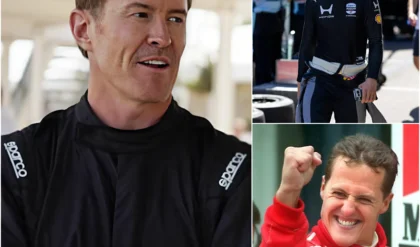
The incident described appears to be a fabricated or satirical story circulating primarily on social media platforms like Facebook in early 2026. No credible news outlets, sports reports from IndyCar, or verified interviews document any live television confrontation between New Zealand racing driver Scott Dixon and Swedish climate activist Greta Thunberg. Searches across web sources, including recent 2026 content, yield only repetitive meme-style posts with near-identical wording—often featuring variations like “SIT DOWN, DIXON!” or similar dramatic titles—typically shared in viral, low-credibility formats. These posts claim Thunberg interrupted Dixon on air, labeled him a “traitor” for declining involvement in a combined LGBTQ+ and climate awareness initiative tied to the 2026 motorsport season, and escalated until Dixon supposedly responded with a sharp retort that silenced the room and drew applause.

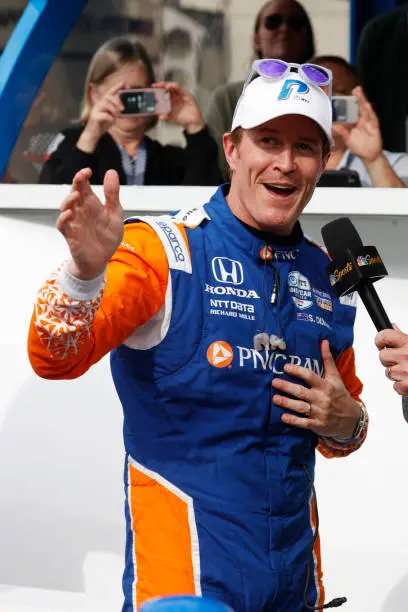
In reality, Scott Dixon, the six-time IndyCar Series champion and a respected figure in open-wheel racing, has maintained a low-profile, professional demeanor throughout his career. Known for composure under pressure on the track—evident in his strategic fuel-saving victories and consistent performances—he has rarely engaged in public political controversies. His focus remains on racing, team Chip Ganassi Racing (now competing in IndyCar), and occasional commentary on motorsport sustainability, such as IndyCar’s push toward hybrid engines and biofuel adoption in recent years. There is no record of Dixon refusing or being pressured to join any specific 2026 campaign blending climate action and LGBTQ+ advocacy, nor of any joint appearance with Thunberg.
Greta Thunberg, meanwhile, continues her global climate activism, frequently criticizing industries with high carbon footprints, including aviation, shipping, and fossil fuel-dependent sectors. Motorsport, with its reliance on internal combustion engines and global travel logistics, has occasionally drawn her attention in broader critiques of high-emission entertainment. However, no evidence exists of her targeting individual drivers like Dixon in live broadcasts or labeling them personally as “traitors.” Thunberg’s style involves direct, fact-based calls for systemic change rather than personal attacks on athletes in unrelated fields.
The viral narrative fits a pattern of sensationalized, AI-generated or meme-driven content designed to provoke emotional reactions, often pitting conservative or traditional figures against progressive activists. Similar fabricated stories have circulated about other celebrities or athletes facing off against Thunberg, with exaggerated quotes and studio audience applause added for dramatic effect. The specific ten-word response from Dixon—implied to be something like “Shut up! Who do you think you are to talk to me like that?”—is presented as the pivotal moment that “transformed a heated debate into a masterful lesson in composure, respect, and self-control.” Yet this phrasing contradicts the composure it claims to praise, and no video clips, transcripts, or eyewitness accounts from legitimate media support it.
Motorsport organizations, including IndyCar, Formula 1, and others, have increasingly incorporated sustainability efforts into their branding for upcoming seasons. Initiatives include carbon-neutral goals, renewable fuels, and diversity/inclusion programs. Refusal to participate in voluntary campaigns would typically be handled privately, not through televised ambushes. The story’s framing—applause for Dixon over Thunberg—plays into polarized online debates about “woke” agendas in sports, a recurring theme in 2025–2026 social media discourse.
This type of tale thrives because it taps into frustrations over perceived political overreach into entertainment and sports. It offers a cathartic fantasy where a calm, accomplished figure stands firm against aggressive activism. In truth, such confrontations rarely unfold so neatly on live TV, and when real debates occur, they involve moderated discussions rather than interruptions and personal insults.
Dixon’s legacy rests on his record: multiple championships, the 2008 Indy 500 win, and enduring respect from peers for his skill and sportsmanship. Thunberg’s impact lies in mobilizing youth on climate urgency, pressuring governments and corporations worldwide. Imagining a clash between them serves little beyond entertainment for certain audiences, but it risks misrepresenting both individuals’ actual stances and contributions.
Ultimately, the absence of any substantiating evidence from reliable sources—news archives, video footage, or statements from either party—confirms this as fiction. In an era of rapid misinformation spread, stories like this highlight the need for verification before sharing or accepting dramatic claims at face value. Real-world interactions between sports figures and activists tend to be more nuanced, focusing on shared goals like reducing emissions in racing rather than personal vilification.