The motorsports world is mourning the loss of one of its most influential and visionary figures with the passing of George Barber Jr., the founder of the renowned Barber Motorsports Park and the Barber Vintage Motorsports Museum. George W. Barber Jr., a Birmingham, Alabama native and lifelong enthusiast of racing and motorcycles, died peacefully on February 15, 2026, following a brief illness. He was 85 years old.
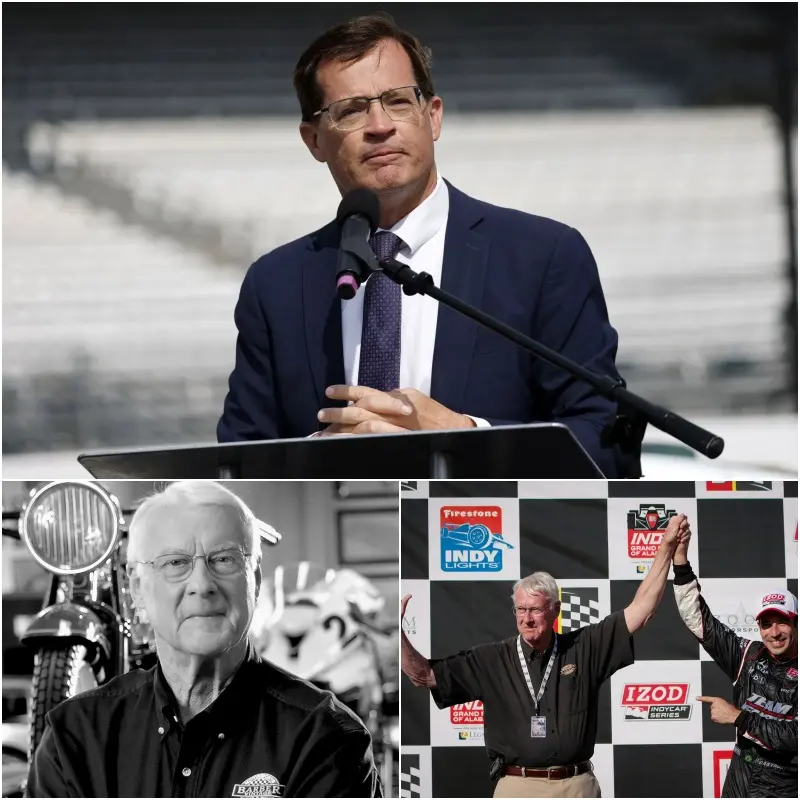
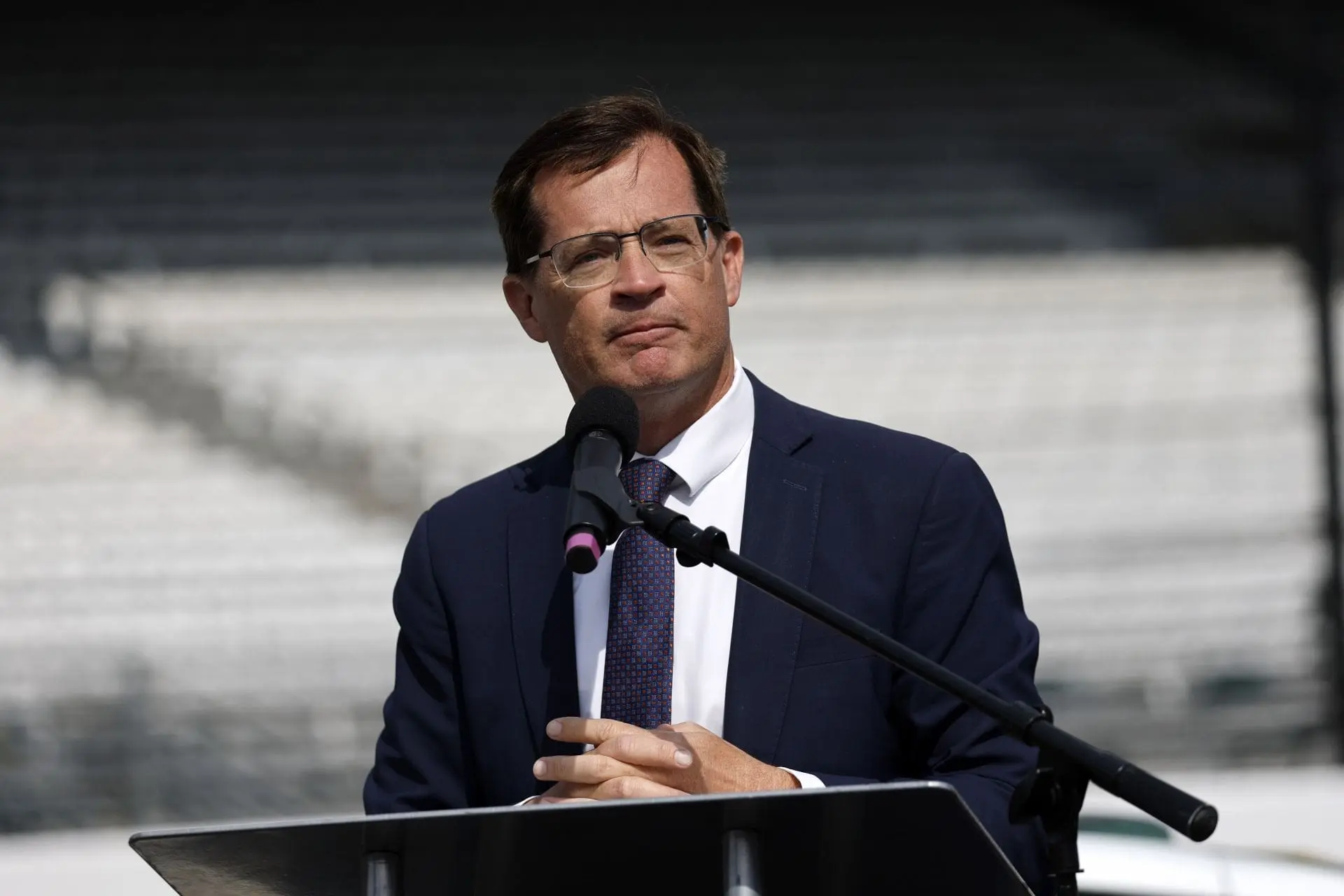
IndyCar President J. Douglas Boles issued a statement expressing profound sadness on behalf of the series, highlighting Barber’s enduring contributions to open-wheel racing. While the IndyCar chairman (often referring to leadership roles within the organization, with Boles as president overseeing operations) conveyed heartfelt condolences, the sentiment echoed across the sport: Barber’s creation of one of the most picturesque and challenging venues on the calendar has left an indelible mark. “He created one of the most beautiful motorsports venues in the world. Thank you and farewell, Mr. Barber,” Boles said, capturing the respect felt by drivers, teams, and fans alike.
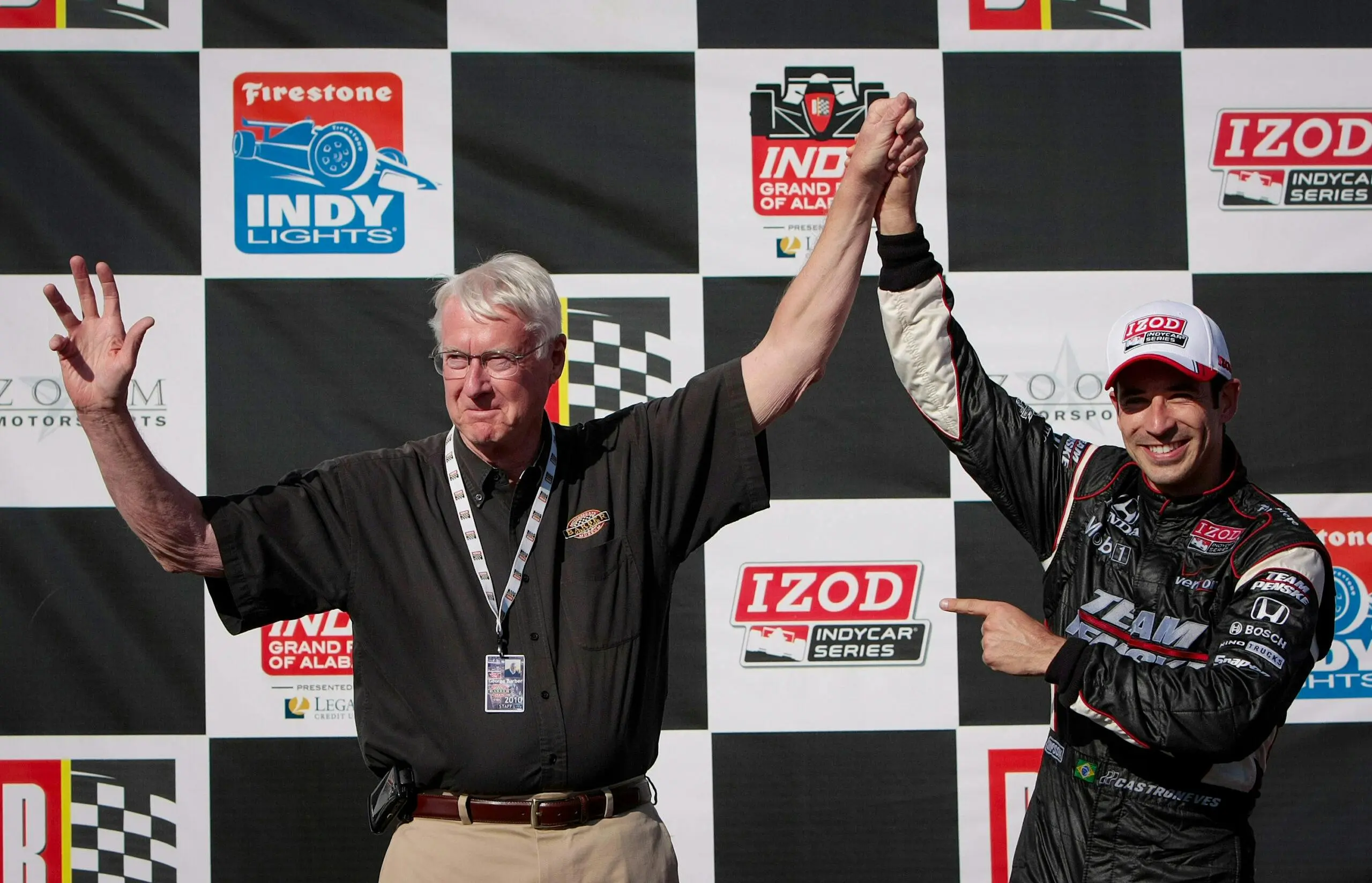
Barber’s journey in motorsports began as a passionate competitor. Born into a family with deep roots in business—his father founded Barber Dairies—George took over the company at age 29 after his father’s passing in 1970. He grew it into a regional powerhouse before selling it in 1998. Yet his true calling lay on the track. In the 1960s and 1970s, Barber raced Porsches and other sports cars with remarkable success, securing 63 victories on the Southeastern circuit.
He competed against legends like Dan Gurney and Peter Gregg, earning a reputation as one of the era’s top talents despite balancing racing with professional responsibilities, often using only vacation time to compete.
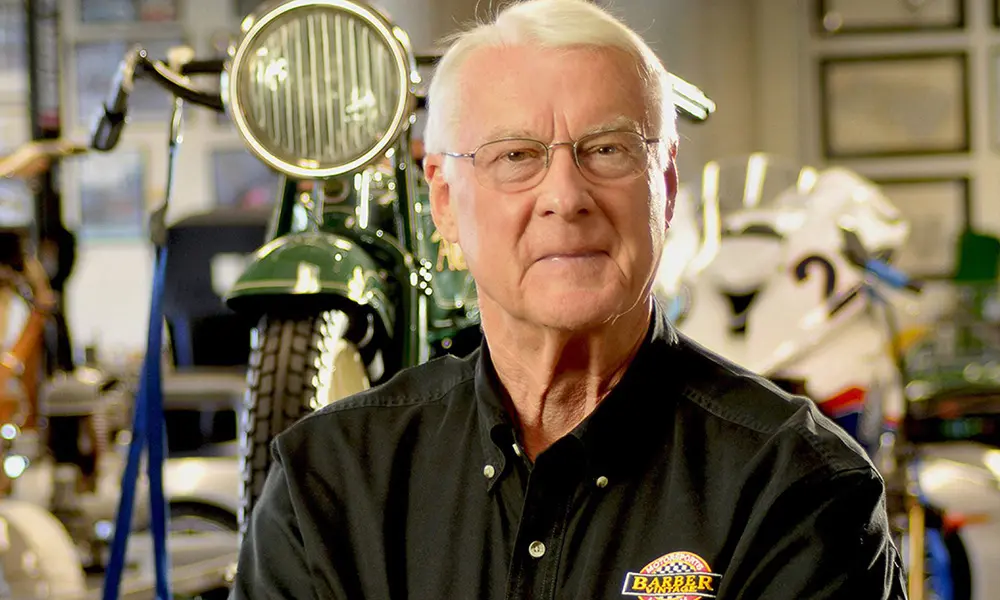
After stepping away from active driving, Barber channeled his competitive spirit into collecting and preserving motorsport history. What started as a personal passion for vintage motorcycles evolved into something extraordinary. In the mid-1990s, he began housing his growing collection, which eventually included rare and iconic machines from various eras. By 2003, this vision culminated in the opening of Barber Motorsports Park in Leeds, Alabama—a sprawling 900-acre complex that combined a state-of-the-art 2.38-mile, 17-turn road course with the Barber Vintage Motorsports Museum.
The track, designed by renowned architect Alan Wilson, was conceived with a unique directive from Barber himself: to create “a botanical garden with a racetrack in it.” The result is a venue often dubbed the “Augusta National of Motorsports” for its stunning landscaping, elevation changes, tight corners, and natural beauty. The park has hosted premier events across disciplines, including IndyCar’s Children’s of Alabama Indy Grand Prix, MotoAmerica Superbikes, Grand-Am, AMA SuperBike, Pirelli World Challenge, and more. It also houses the Porsche Track Experience North America and serves as a proving ground for testing and demonstrations.
The adjacent museum stands as one of the world’s premier collections of motorcycles, boasting thousands of exhibits meticulously curated and displayed. It has become a pilgrimage site for enthusiasts, offering not just vehicles but an educational experience through field trips, summer camps, and programs that inspire future generations. The combined project is regarded as the largest single philanthropic endeavor by an individual in Alabama’s history, reflecting Barber’s commitment to community, education, and the preservation of motorsport heritage.
Barber’s humility and accessibility endeared him to many. Stories abound of him walking paddocks during IndyCar or IMSA weekends, chatting with fans as if he were just another attendee. Despite his wealth and achievements, he remained approachable, remembering names and engaging genuinely. His legacy extends beyond bricks and mortar; he built a community where families, competitors, and fans create lasting memories.
Tributes have poured in from across the motorsports landscape. MotoAmerica, the AMA Motorcycle Hall of Fame (where Barber was inducted), Classic Team Lotus, and others expressed deep sorrow, emphasizing how he elevated Alabama as a premier destination. The Barber Vintage Motorsports Museum’s official statement captured the sentiment: “We are deeply saddened by the passing of George Barber. He built more than an organization—he built a community. We are grateful for his vision and leadership.”
For IndyCar, Barber Motorsports Park has been a beloved stop on the schedule, known for its demanding layout that tests drivers’ precision and bravery, set against breathtaking scenery. The event draws large crowds and consistently ranks among fans’ favorites. Barber’s personal investment—reportedly over $50 million of his own funds—ensured the facility’s world-class status without relying heavily on public money.
As the sport reflects on his life, Barber’s story serves as an inspiration: a man who turned passion into legacy. From racing victories to creating a world-class venue that continues to host thrilling competition and preserve history, George Barber Jr. exemplified dedication, innovation, and generosity. His passing marks the end of an era, but his influence will endure every time engines roar at Barber Motorsports Park or visitors marvel at the museum’s treasures.
The motorsports community extends its deepest condolences to Barber’s family, friends, and the dedicated teams who carry forward his vision. In an industry driven by speed and spectacle, George Barber reminded everyone that true greatness lies in building something lasting for others to enjoy. Rest in peace, Mr. Barber—your legacy races on.