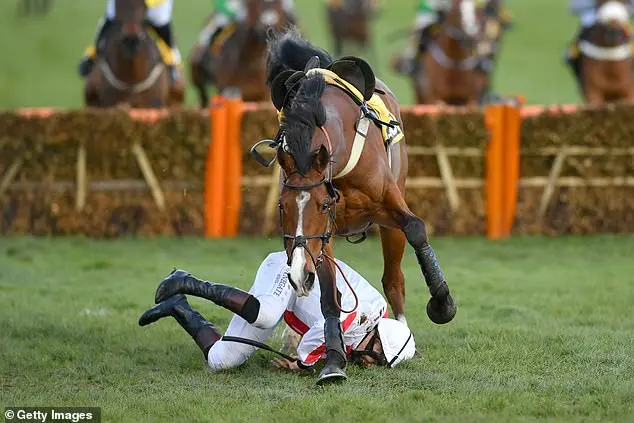
The British horse racing community is mourning a significant loss with the retirement of veteran jockey Jamie Moore, whose courageous career came to an abrupt and emotional end following a severe spinal injury. In February 2024, Moore announced his immediate retirement at the age of 39 on medical advice, after a fall at Lingfield in November 2023 left him with a fractured T7 vertebra, among other injuries including broken ribs, a broken nose, and a significant concussion.
This latest setback marked the 29th fracture of his 22-year riding career, ultimately forcing him to hang up his boots despite his deep desire to continue.
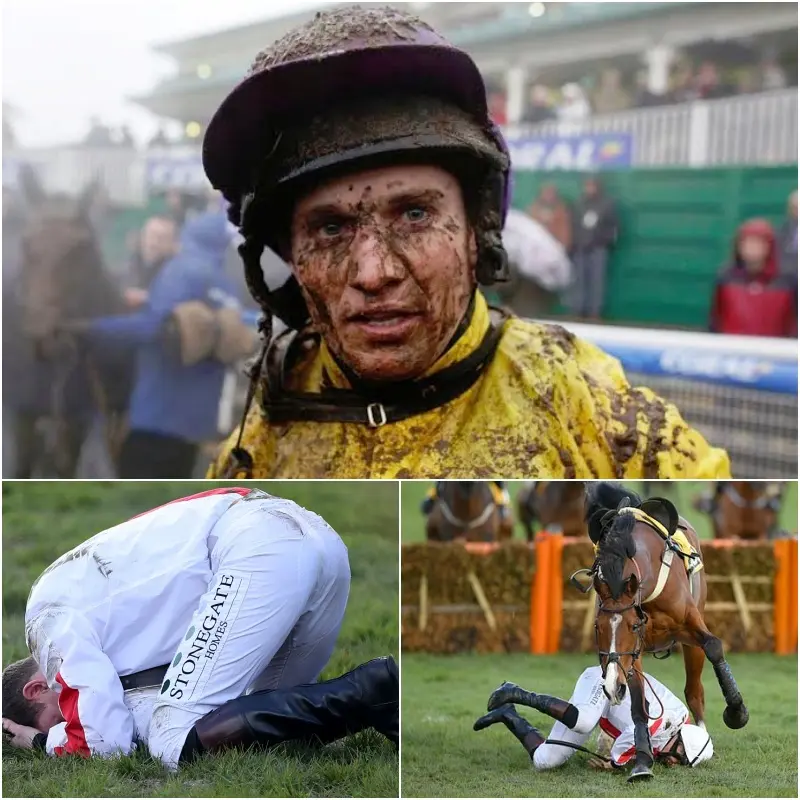
The moment Moore shared his decision was profoundly moving. Known for his stoic resilience in the face of repeated physical trauma, the jockey was visibly overcome with emotion as he reflected on a life dedicated to the sport. In interviews following the announcement, he described how doctors reviewed his MRI scans and compared the damage to that of a “car crash victim,” underscoring the cumulative toll of years spent at high speed over jumps.
Moore had spent six weeks in a neck brace after the Lingfield incident, and specialists made it clear that returning to race riding would pose unacceptable risks. “I wanted to continue but I couldn’t, that’s the long and short of it,” he told reporters, capturing the heartbreak of a man who had always pushed through pain for the thrill of the saddle.
Moore’s career was defined by remarkable talent and tenacity. He amassed 968 winners in Britain alone from over 8,000 rides, a testament to his consistency and skill in National Hunt racing. Among his standout achievements were seven Grade One victories, with partnerships that thrilled fans and defined eras. He enjoyed particular success with horses like Sire De Grugy, the 2014 Queen Mother Champion Chase winner, and the enigmatic but beloved Goshen, whose dramatic near-misses and eventual triumphs at venues like Sandown captured the imagination of racing enthusiasts. Moore’s style—bold, tactical, and unflinching—earned him respect across the weighing room and beyond.
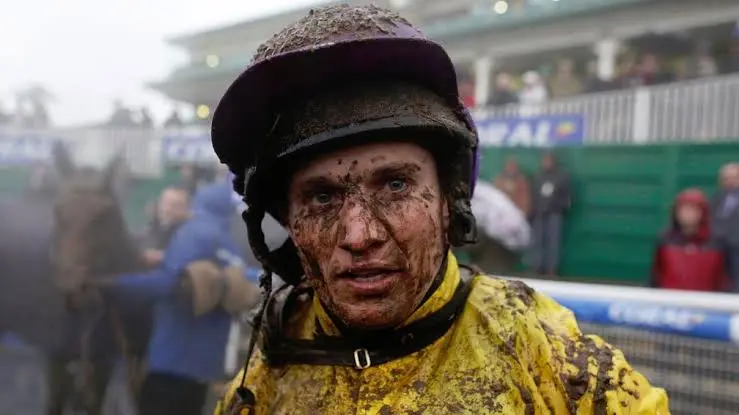
Yet, his path was never easy. Injuries were a constant companion. Moore endured multiple breaks to bones throughout his body, including previous spinal fractures and a back injury sustained at Fontwell years earlier. These setbacks often came at challenging personal times; one back fracture coincided with his wife Lucie’s battle with cancer, adding emotional weight to his physical recovery. Despite these obstacles, Moore repeatedly returned stronger, embodying the grit that defines jump jockeys. His willingness to speak openly about the dangers of the sport helped humanize the profession for the wider public.
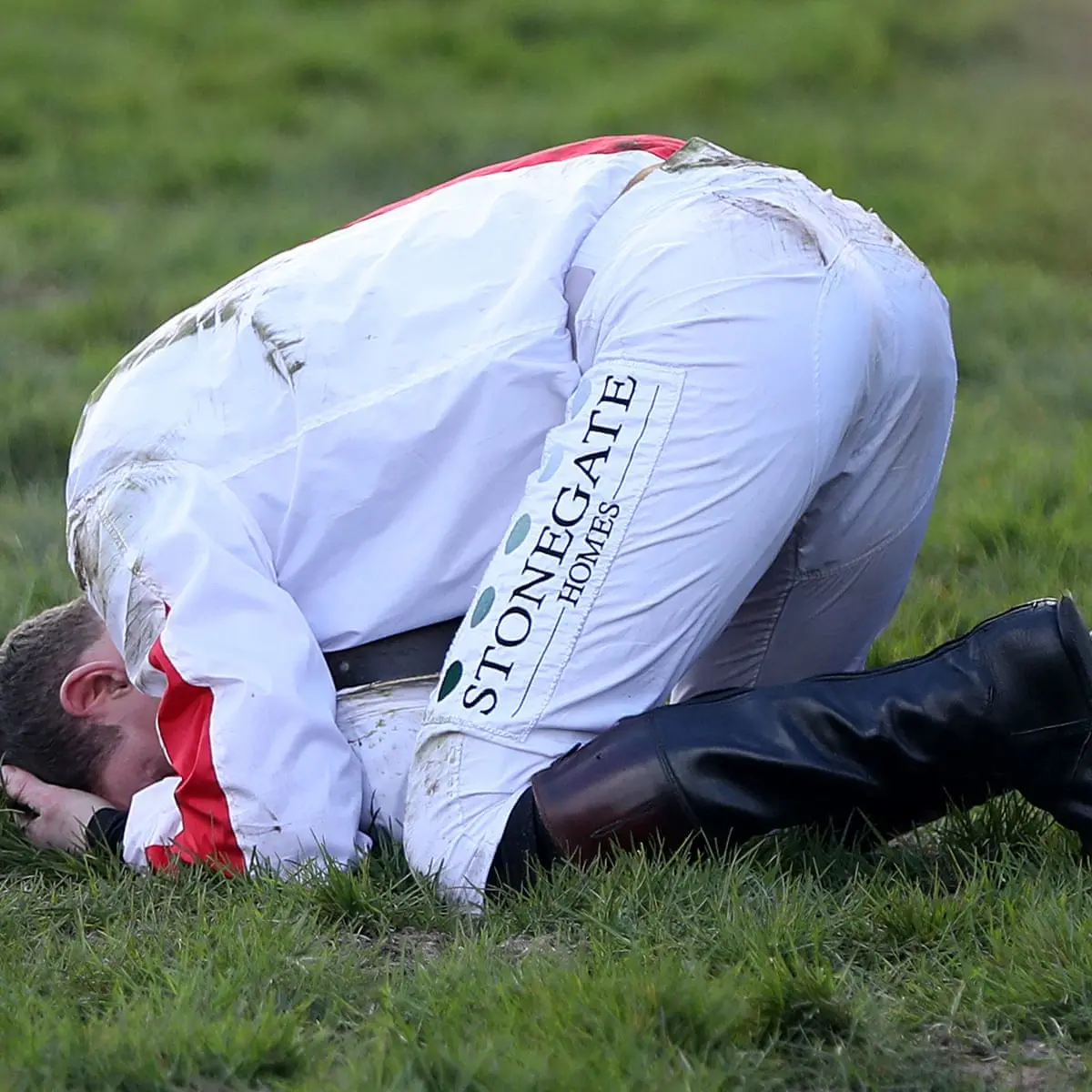
Beyond his riding achievements, Moore played a key role in advancing rider safety. He was among the leading voices pushing for improved protective equipment in British jumps racing. Working with the British Horseracing Authority (BHA), he advocated for the adoption of smarter helmets and next-generation body protectors that offered better impact absorption while addressing concerns over comfort and heat retention during long races. These changes sparked debate within the community—some riders worried about added weight or restricted visibility—but Moore’s personal experience with fractures lent credibility to his calls for progress.
The controversies highlighted the delicate balance between innovation in safety and the practical realities faced by those in the saddle. His contributions helped drive meaningful updates to standards, ensuring that current and future generations benefit from gear that might mitigate the kind of cumulative damage he suffered.
The news of Moore’s retirement sent shockwaves through the industry. Colleagues, trainers, and fans paid tribute to a rider who had become a fixture in National Hunt. Fellow jockeys praised his professionalism and camaraderie, while trainers remembered his instinctive feel for horses and his ability to deliver in big moments. The Racing Post described it as an “end of an era,” and many echoed the sentiment that British jumps racing had lost one of its most enduring figures.
Even in retirement, Moore’s influence persists; he has appeared on racing podcasts and media outlets, sharing insights into the sport and discussing the recoveries of other injured riders, including reflections on the challenges faced by younger talents.
As Moore steps away from race riding, questions linger about what comes next. With his deep knowledge of the game and family ties to training—his father Gary Moore is a respected handler—there is speculation he may transition into a role on the training side or in media. For now, though, the focus remains on his health and the legacy he leaves. In an unforgiving sport where every ride carries risk, Jamie Moore’s career stands as a powerful reminder of the bravery required to compete at the highest level.
His tears upon announcing retirement were not just personal grief but a shared sorrow for an industry that owes much to riders like him who gave everything to the pursuit of victory over fences.
The British horse racing world bids farewell to a true warrior of the turf. While the saddle will feel emptier without him, the standards he helped raise and the memories he created will endure for years to come.