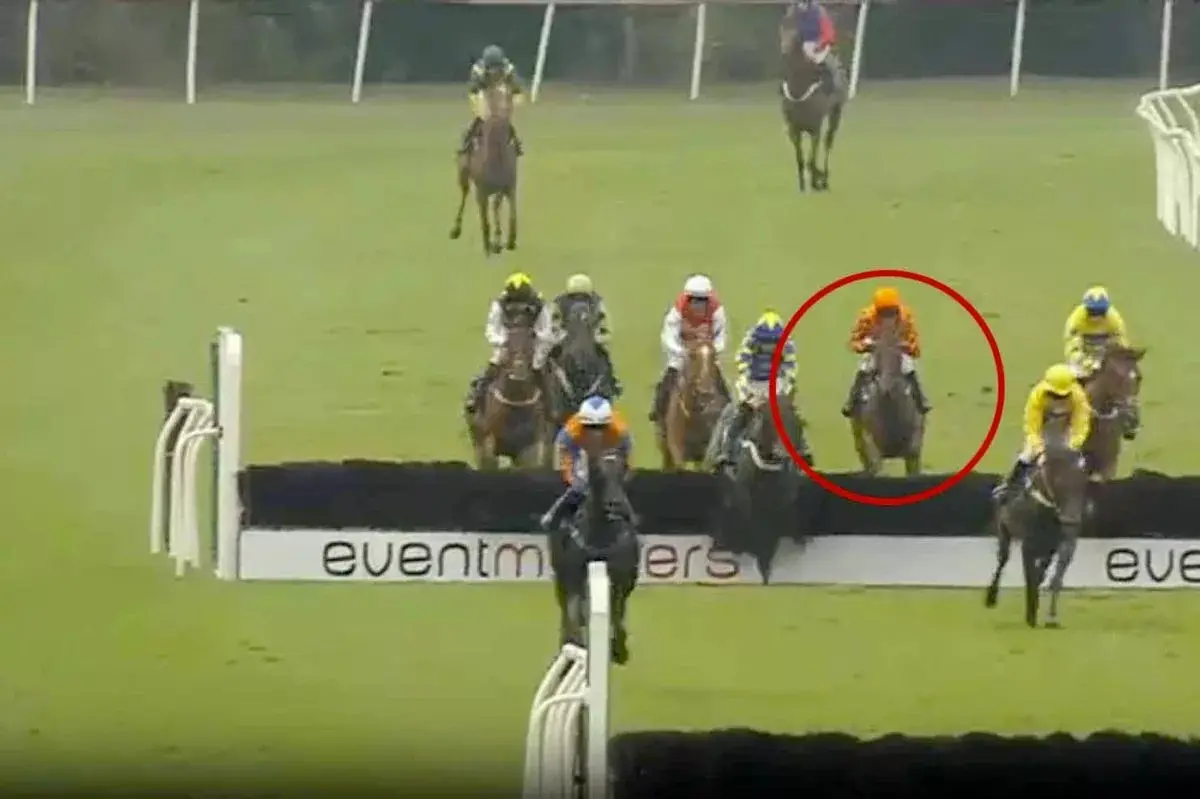
“SAD NEWS” A 24-year-old jockey, Oliver Boyden, suffered a horrific crash at the first barrier on the final straight of the Worcester racetrack as athletes were advancing toward the finish line, prompting adjustments to the track.
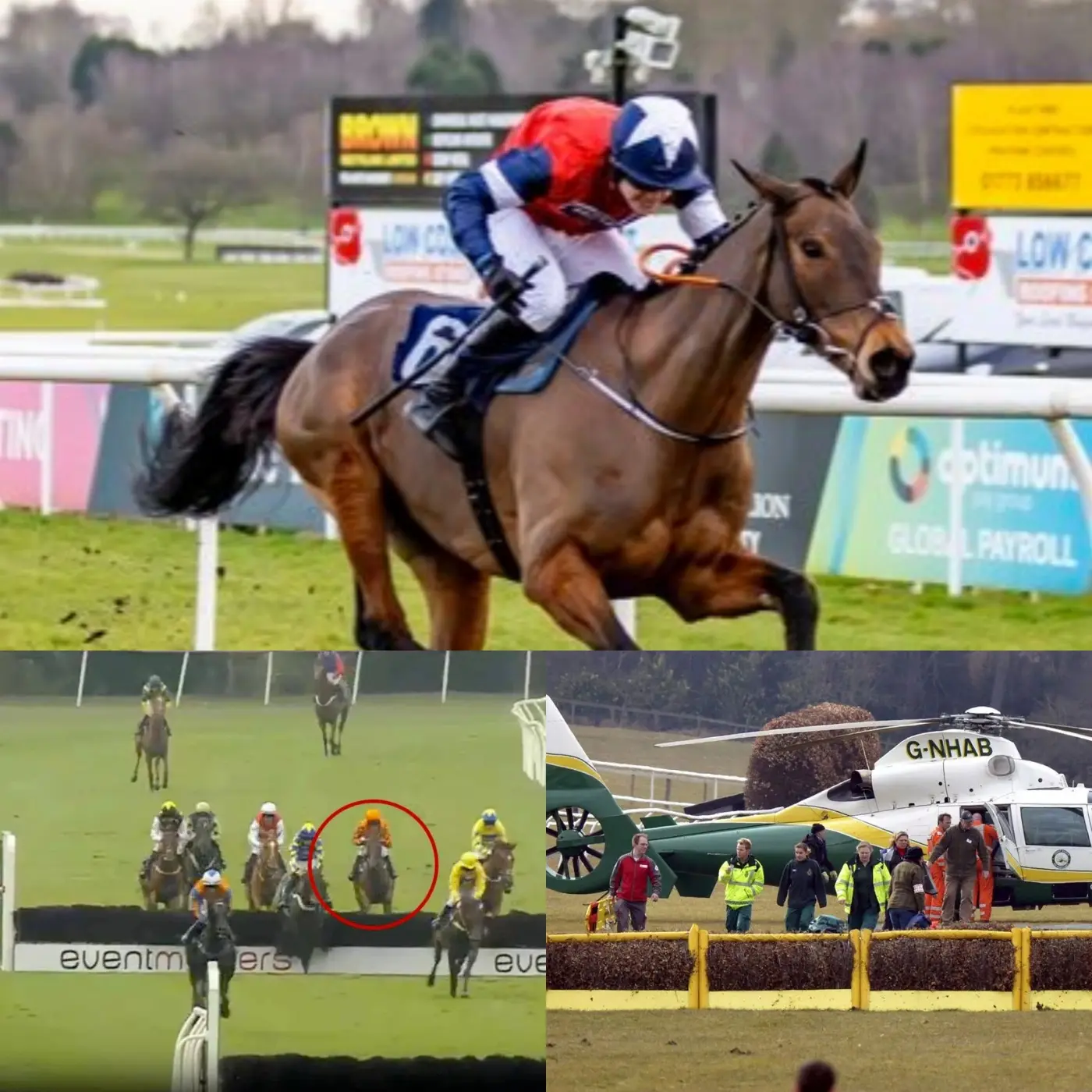
In a heart-wrenching incident that has shaken the horse racing community, 24-year-old conditional jockey Oliver Boyden endured a terrifying fall during a race at Worcester Racecourse on July 25, 2025.
The young rider was aboard Dreamweaver in a novices’ limited handicap hurdle when disaster struck on the home straight, just as the field was pushing toward the finish line.
The horse unexpectedly came down at the first hurdle in that final stretch, catapulting Boyden from the saddle in a heavy landing that immediately raised alarms among spectators, officials, and fellow competitors.
The scene unfolded in the afternoon card at the picturesque Pitchcroft venue, nestled along the banks of the River Severn in Worcestershire, England.
Worcester Racecourse, known for its summer jumps fixtures and forgiving track that often serves as a proving ground for novice hurdlers, turned somber as medical teams rushed to Boyden’s aid.
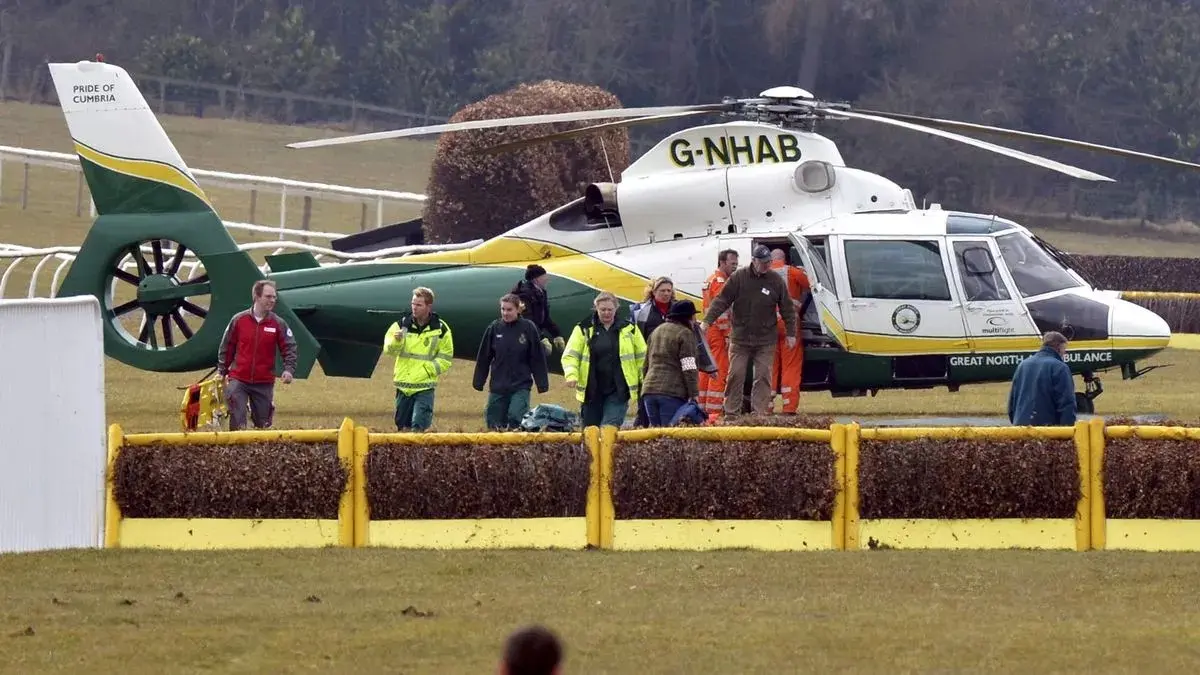
Witnesses described the fall as particularly violent, with the momentum of the race leaving the jockey little opportunity to react or protect himself. An air ambulance was swiftly summoned to the site, landing on the course and underscoring the gravity of the situation.
Paramedics, including a BASICS doctor from the Mercia Accident Rescue Service and crews from the Midlands Air Ambulance from Cosford, provided immediate care before transporting Boyden by road ambulance to a nearby hospital for further assessment.
Although initial fears suggested potentially life-threatening injuries, Boyden was reported to be stable enough for road transfer rather than air evacuation, and he remained under observation overnight.
The incident caused a significant delay to the day’s proceedings, with the final race postponed by approximately 45 minutes as officials ensured the rider received proper attention and the track was cleared.
Stewards later conducted an enquiry into related matters, including the timing of the air ambulance’s operations, forwarding a report to the British Horseracing Authority for review.
Boyden, hailing from Bromsgrove and riding for trainers Dr. Richard Newland and Jamie Insole, has been building a promising career in National Hunt racing.
A conditional jockey with three winners from 29 rides under rules, his victories include notable successes for Olly Murphy earlier in his path, transitioning from point-to-point triumphs.
Starting his journey relatively late—at age 16 after a chance visit to a racing yard—Boyden quickly fell in love with the sport, working diligently through yards and earning opportunities through sheer determination.
His recent win aboard The Dream Goes On at Hereford just months prior highlighted his growing talent and dedication.
The fall at Worcester serves as a stark reminder of the inherent dangers in jump racing, where split-second mishaps can lead to severe consequences.
Hurdles demand precision from both horse and rider, and even on a track renowned for its ease—flat, left-handed with portable fences that are among the least taxing in the country—accidents can occur without warning.
Dreamweaver, making a long-awaited return after over 1,000 days off the track, was trailing the field when the incident happened, adding an element of unpredictability.
In response to the crash, racecourse officials promptly reviewed the affected hurdle on the home straight. Adjustments were made to the track layout and barrier positioning to enhance safety for the remaining races that day and future meetings.
Worcester’s management emphasized their commitment to rider welfare, coordinating closely with medical services and the Injured Jockeys Fund. The venue, which hosts around 20 fixtures annually from May to October, has a history of prioritizing safety amid its scenic but flood-prone location.
The racing world rallied around Boyden in the aftermath, with messages of support pouring in from trainers, fellow jockeys, and fans. Social media and industry forums buzzed with well-wishes, reflecting the tight-knit nature of the sport.
Organizations like the Professional Jockeys Association and the Injured Jockeys Fund offered immediate assistance, a standard protocol for such events that underscores the risks jockeys face daily.
This incident echoes previous scares at Worcester and other courses, where falls have led to serious injuries or, in tragic cases, fatalities. Yet, it also highlights advancements in medical response and track maintenance that have improved outcomes over the years.
Boyden’s hospitalization, while serious, allowed for cautious optimism as updates indicated he was receiving the best possible care.
As of the latest reports, Boyden continues to recover, with the full extent of his injuries under evaluation. The horse racing community awaits positive news on his progress, hopeful for a full return to the saddle for this resilient young talent.
Incidents like this prompt ongoing discussions about safety measures, including hurdle design, horse welfare checks, and emergency protocols—conversations vital to preserving the thrill of the sport while protecting its participants.
The events at Worcester that day cast a shadow over what is typically a vibrant summer meeting, reminding everyone involved of the courage required to compete at speed over obstacles.
Oliver Boyden’s story, one of passion and perseverance, now includes this challenging chapter, but his spirit and the support surrounding him suggest brighter days ahead on the track.