The announcement came as a shock to the IndyCar community: after 17 years of loyalty and dominance with Team Penske, Will Power would not return for an 18th season. The Australian driver, one of the most decorated figures in the series, parted ways with the legendary organization in September 2025, paving the way for his move to Andretti Global ahead of the 2026 campaign. Fans, many of whom had grown accustomed to seeing Power in the iconic red-and-blue Penske livery, expressed widespread disappointment online and at the track.
The split marked the end of one of the most successful driver-team partnerships in modern open-wheel racing.
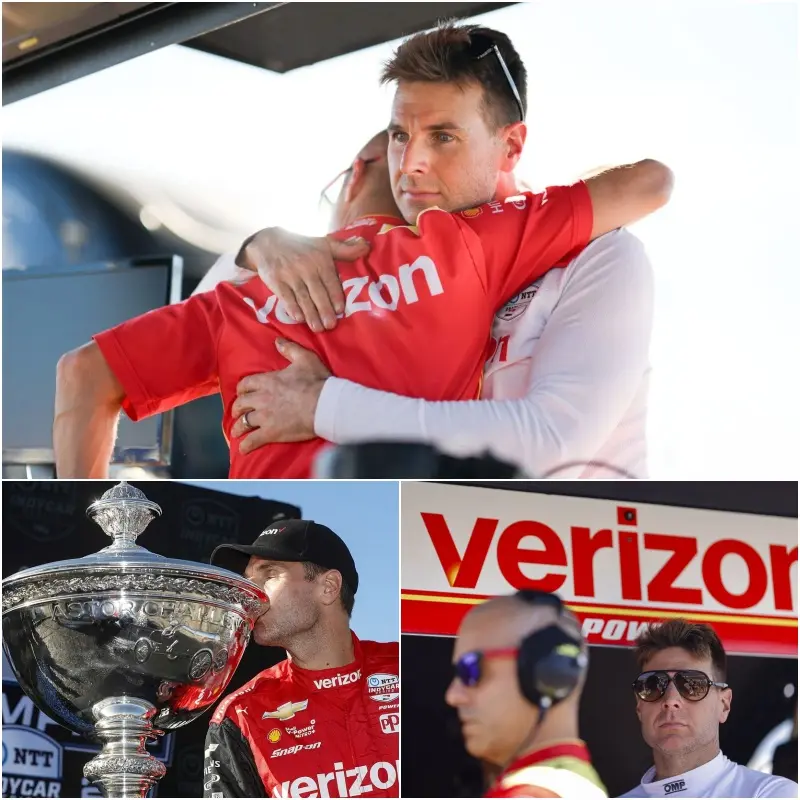
Power, now 44 and entering his 20th full-time season in the NTT IndyCar Series, has always been known for his raw speed, particularly in qualifying. He holds the all-time record for pole positions with 71, a mark he surpassed Mario Andretti’s long-standing record in 2022 at Laguna Seca. His 45 career victories place him fourth on the series’ all-time wins list, with the vast majority—42—coming under the Penske banner. Those numbers alone underscore the magnitude of the partnership that began in earnest in 2009, when Power stepped into a full-time role after impressing in partial seasons.
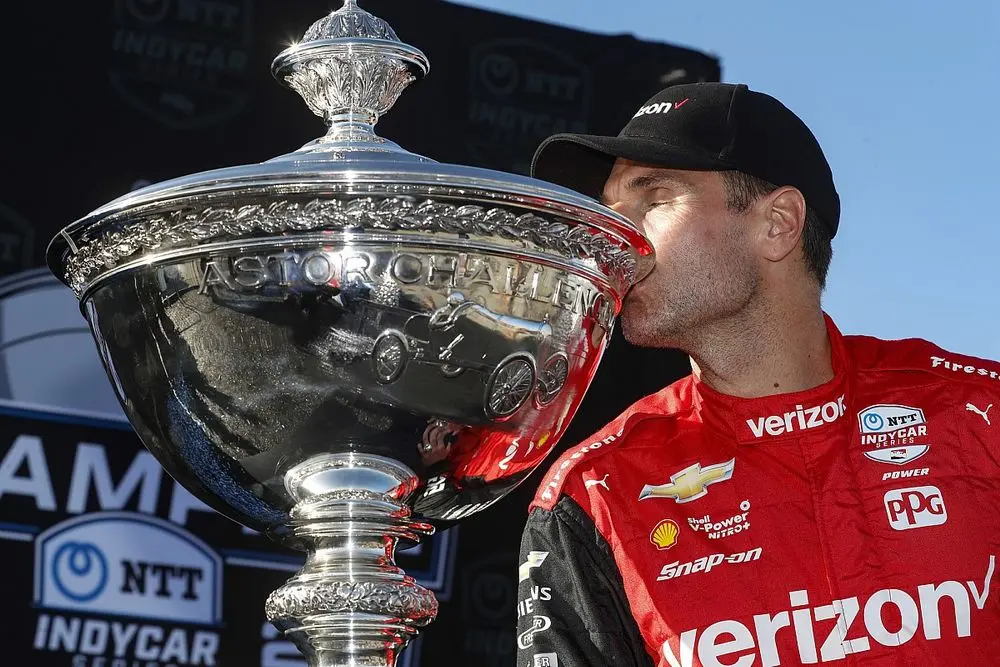
The journey started modestly. Power arrived in IndyCar from Champ Car roots, joining Team Penske initially as a fill-in driver. In 2009, he grabbed attention with a dominant win at Edmonton and showed flashes of the qualifying prowess that would define his career. By 2010, in his first full season with the team, he led the series with five wins and a record eight poles, finishing second in the championship chase.
That year set the tone for what followed: consistent excellence on road and street courses, where Power’s aggressive yet precise style made him nearly unbeatable when the car was dialed in.
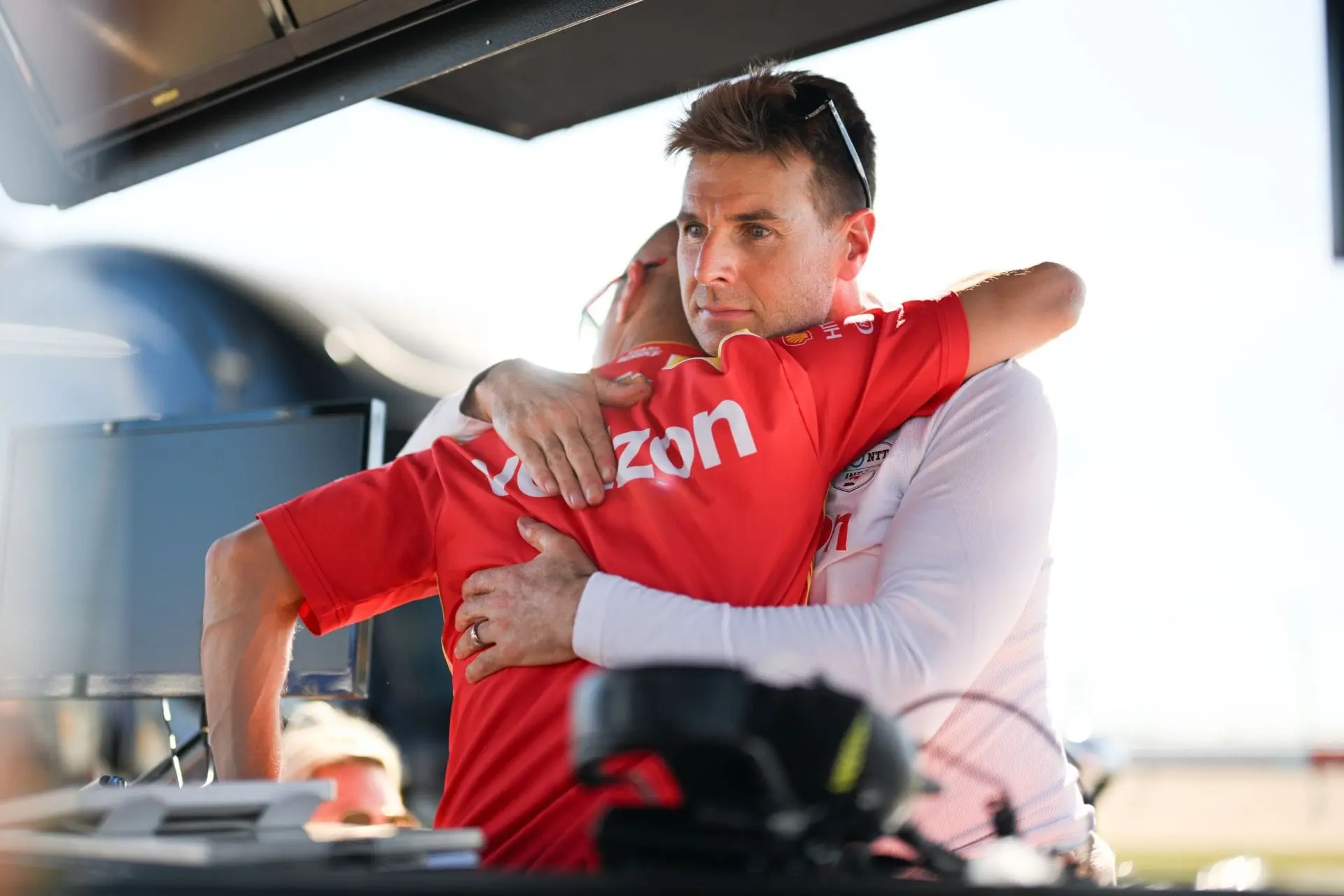
The highs were plentiful. In 2014, Power clinched his first IndyCar championship, delivering a string of performances that showcased his mental toughness amid intense competition. Eight years later, in 2022, he added a second title, proving his longevity and adaptability as the series evolved with new cars and hybrid technology on the horizon. Perhaps the crowning achievement came in 2018, when Power finally conquered the Indianapolis 500. After years of near-misses—including strong runs thwarted by pit errors or bad luck—he swept the Month of May by winning both the Indy Grand Prix and the 500 itself.
Crossing the yard of bricks at Indy in victory lane remains one of the defining images of his career, a moment of redemption for a driver who had often been labeled the ultimate qualifying specialist rather than a race winner on ovals.
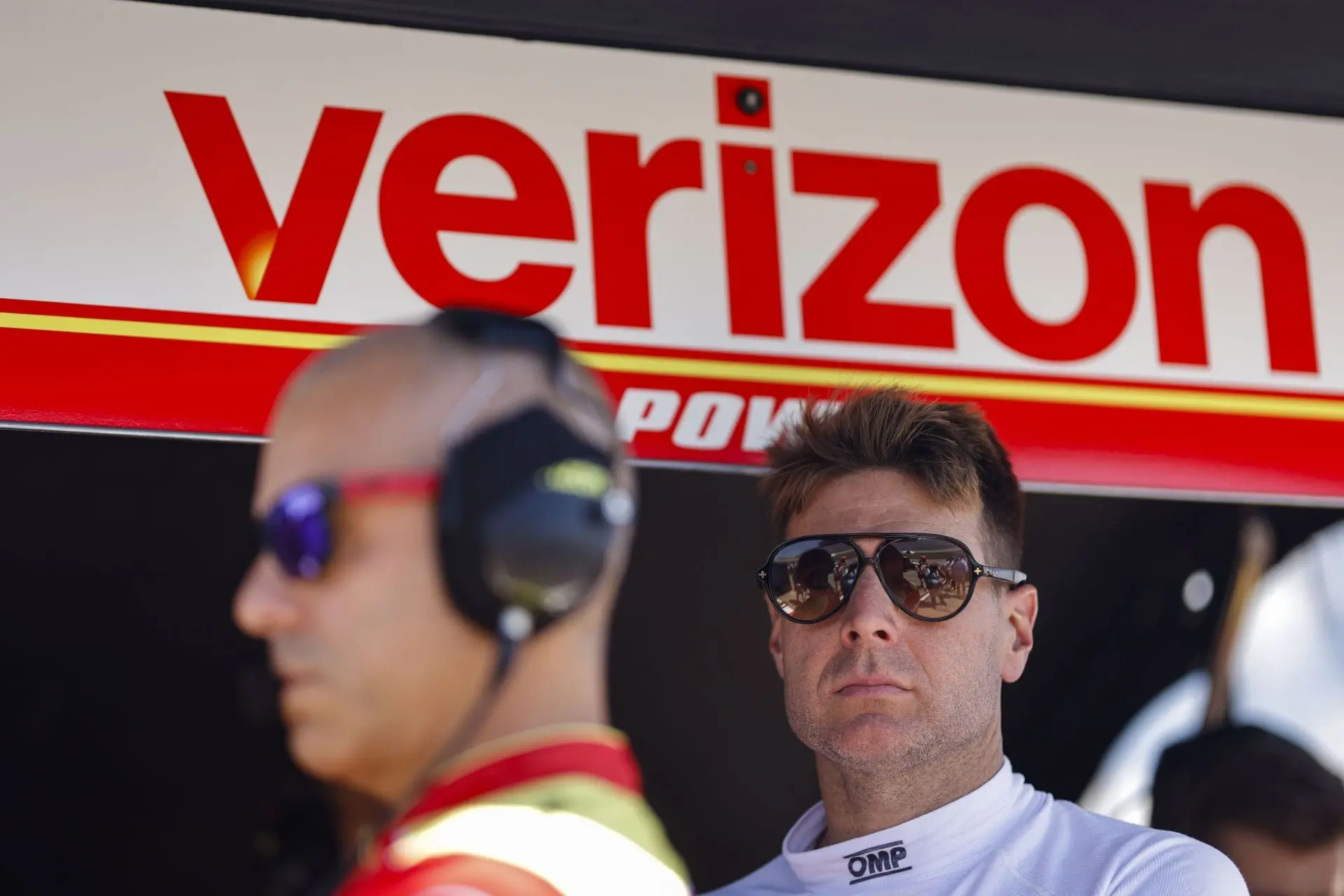
Yet for all the triumphs, the partnership with Team Penske was not without challenges. Power’s style sometimes clashed with the team’s conservative approach on certain tracks, and injuries or mechanical issues occasionally disrupted momentum. Still, the loyalty was mutual. Roger Penske, the team owner, repeatedly backed Power through slumps, and the driver repaid that faith with podiums, poles, and titles. The 17-year run produced some of the most memorable moments in IndyCar history, from dramatic last-lap passes to record-breaking qualifying laps that left competitors shaking their heads.
The end, however, arrived abruptly. In early September 2025, Team Penske confirmed Power’s departure, with the team opting for a younger lineup that included 24-year-old David Malukas stepping in for 2026. The decision, reportedly in the works for over a year, caught many by surprise—including, perhaps, Power himself to some degree. While no public animosity surfaced immediately, the move left fans reeling. Social media flooded with tributes, disappointment, and questions about what came next for one of IndyCar’s most recognizable stars.
Power did not fade quietly. He quickly signed with Andretti Global, a team with championship pedigree and a young, hungry roster. In recent interviews, he has spoken candidly about the transition. After his first test with the new team at a Firestone tire session, Power admitted feeling “out of place” initially, stepping into a different environment after so long in Penske’s structured setup. But once behind the wheel, the familiarity of an Indy car took over.
“It’s funny—you feel very out of place,” he said, “but once you get in the car and get rolling, it’s just like, ‘Oh, it’s an Indy car.’ You go through the same processes.”
That sentiment hints at the “strange” feeling Power has described in the wake of the split. The emotional weight of leaving a team that shaped his legacy is undeniable. Reports from late 2025 suggest Power reflected on certain races—perhaps moments at iconic venues like Indianapolis or Long Beach—where he uttered words to the effect of wondering if it was the last time he’d drive for Penske at those tracks. The phrase “Perhaps this is the last time I’ll be behind the wheel here” captures the bittersweet uncertainty that accompanied his final outings in the No. 12 car.
Fans who heard similar reflections felt the sting, knowing an era was closing.
Now, as the 2026 season approaches, Power channels that emotion into motivation. He has openly stated his desire to make Team Penske “regret” the decision, framing his new chapter as one of proving doubters wrong. With Andretti Global showing promise and Power bringing unmatched experience, the stage is set for a compelling narrative. At an age when many drivers contemplate retirement, Power insists he is far from done. “I’m not ready to retire,” he emphasized after early testing, signaling that his competitive fire still burns bright.
The disappointment among fans stems not just from the end of a great partnership but from the uncertainty of what follows. Power’s departure leaves a void in Team Penske’s lineup and raises questions about the series’ direction as it balances veteran talent with emerging stars. Yet in true racer fashion, Power views the change as fuel rather than farewell. Whether he adds to his win tally, chases another championship, or simply enjoys the thrill of competition in a fresh environment, his legacy is already secure.
For now, the paddock waits. The “strange” feeling lingers, but so does the anticipation. Will Power, the pole king, the two-time champion, the Indy 500 winner, is not walking away—he’s simply turning the wheel toward a new direction. And if his history is any guide, that direction will lead to more unforgettable moments.