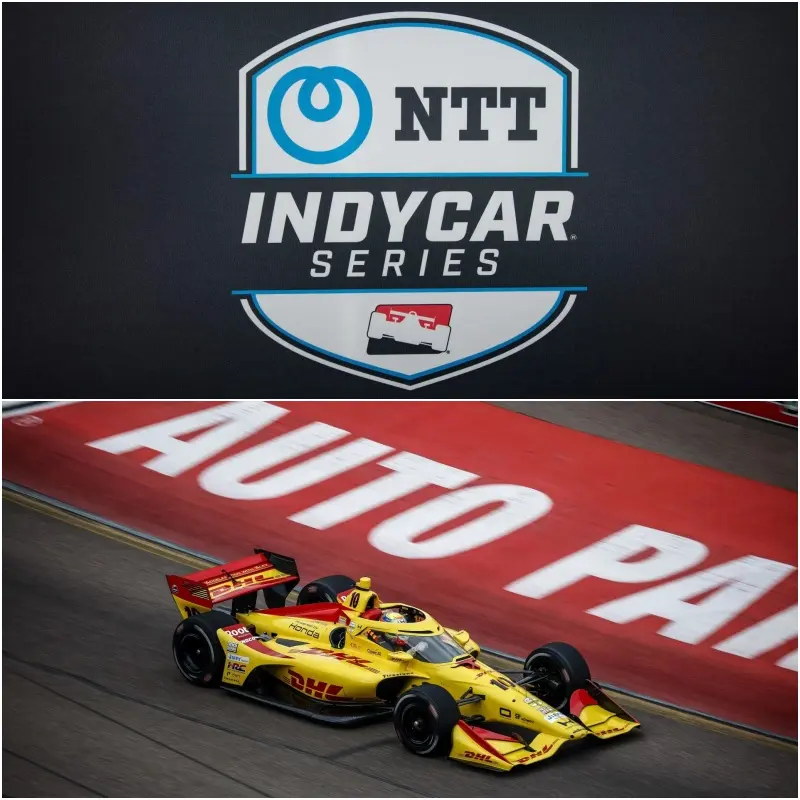
The Firestone Grand Prix of St. Petersburg stands as the traditional season opener for the NTT IndyCar Series, and this year’s event carries extra significance as the series launches its 2026 campaign amid a major shift in how officiating is handled. With the race weekend set for February 27 through March 1 on the downtown streets of St. Petersburg, Florida, the spotlight has turned not only to the on-track action but also to the newly established Independent Officiating Board (IOB) and its efforts to bring greater transparency and consistency to rule enforcement.
In recent years, IndyCar has faced scrutiny over officiating decisions, particularly following high-profile incidents in 2025 that raised questions about impartiality. Those events, including penalties related to technical inspections and other violations, prompted a thorough review of the series’ governance structure. The result was the creation of IndyCar Officiating Inc., a nonprofit entity designed to operate independently from both the series management and team ownership influences. This move aims to restore confidence among competitors, teams, and fans by separating race control and penalty assessments from any potential conflicts of interest.
The IOB, comprising respected motorsport figures including Ray Evernham, Raj Nair, and Ronan Morgan, has been working through the offseason to refine processes, personnel assignments, and enforcement standards for both the NTT IndyCar Series and the supporting Indy NXT by Firestone championship. As the season opener approaches, the board has emphasized its commitment to a fair and transparent system. One prominent member of the IOB recently shared a strong endorsement of the current framework, stating that the officiating in IndyCar is not flawed but rather a model that other racing series worldwide could emulate.
In essence, the refereeing in IndyCar is flawless, according to this perspective, highlighting the professionalism, procedures, and operational integrity already in place.
This confident assessment comes at a pivotal moment. The IOB has retained several key officials from previous seasons, including race director Kyle Novak, to ensure continuity while the search continues for a managing director of officiating (MDO). Until that position is filled, the IOB members themselves will provide direct oversight during the St. Petersburg weekend, attending the event to monitor operations and address any immediate concerns. This hands-on approach underscores the board’s dedication to a smooth transition into the new era of independent officiating.
The St. Petersburg Grand Prix has historically been a flashpoint for controversy in IndyCar, with past seasons seeing post-race disqualifications, penalties, and debates over rule applications that affected championship standings early in the year. The 2025 edition, in particular, saw significant fallout from decisions that some viewed as inconsistent or influenced by internal dynamics. By implementing the independent structure for 2026, IndyCar hopes to eliminate such perceptions entirely. The IOB’s updates stress that the goal is not to overhaul a broken system but to enhance an already strong one with added layers of accountability and separation.
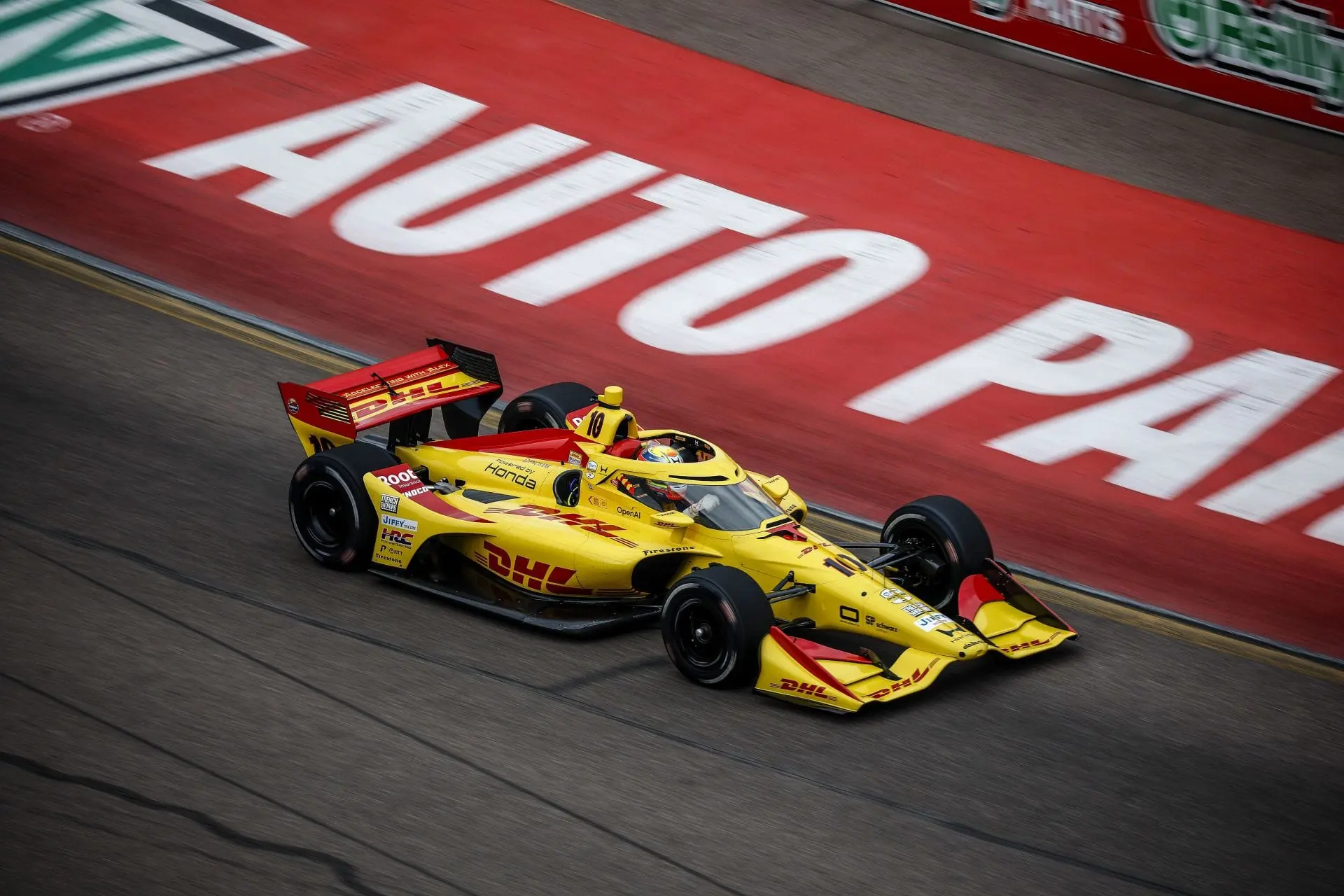
As teams and drivers prepare for the weekend, the focus remains on the racing itself. The street circuit in St. Petersburg, with its mix of tight corners, long straights, and waterfront backdrop, always delivers close competition and unpredictable strategies. Practice sessions begin on Friday, February 27, followed by qualifications on Saturday, February 28, leading to the main event on Sunday, March 1, at 12:29 p.m. ET. The race will air live on FOX, marking the start of a broadcast partnership that promises wider reach for the series in 2026.
Beyond officiating, the series has introduced other refinements for the new season. Late-race procedures have been updated to promote more battles among lead-lap cars in the closing stages, and tire usage rules for street and road courses have been adjusted to encourage strategic variety. These changes, combined with the officiating overhaul, signal IndyCar’s intent to keep the product exciting and equitable.
Teams have expressed a range of reactions to the new board. Some drivers and principals have welcomed the independence as a step toward fairness, echoing sentiments that the priority is simply ensuring consistent and unbiased enforcement. Others remain cautiously optimistic, noting that the true test will come when tough calls arise during competition. With the IOB members on-site in St. Petersburg, any early decisions will be under immediate scrutiny, providing the first real-world evaluation of the revamped system.
The timing could hardly be more charged. As the only U.S.-based open-wheel series with a full season of road, street, and oval events, IndyCar thrives on its blend of high-speed drama and technical precision. The St. Petersburg opener sets the tone not just for points but for the narrative of the year. If the IOB’s vision holds true, fans can expect races decided by driver skill and team strategy rather than disputed calls from the tower.
Organizers and the IOB have made it clear: the foundation for fair competition is solid. By addressing past concerns head-on through structural reform, IndyCar positions itself for a season free from the shadows of doubt. As engines fire up on the streets of St. Petersburg, the series embarks on what could be one of its most credible and competitive chapters yet. The proof, as always in motorsport, will unfold lap by lap under the Florida sun.