The International Federation of Horseracing Authorities (IFHA) has released information highlighting a concerning series of equine fatalities at prominent U.S. racecourses during the opening month of 2026. Prestigious venues such as Santa Anita Park in California and Belmont Park in New York, along with others like Mahoning Valley Race Course in Ohio, recorded multiple horse deaths in racing and training activities. These incidents, documented through official state racing commission reports and advocacy tracking, have reignited intense discussions within the global horse racing community about safety protocols, welfare standards, and the inherent risks of the sport.
Among the notable cases cited in early 2026 fatality compilations is the death of True Kew, a two-year-old unraced Thoroughbred colt. On January 9, True Kew sustained a severe injury while galloping during a training session at Belmont Park. According to reports from the New York State Gaming Commission, the injury proved catastrophic, leading to the horse’s immediate euthanasia. As an unraced juvenile, True Kew’s death underscored the vulnerabilities even horses face before competing on the track, where high-speed workouts can place immense stress on developing musculoskeletal systems.

Later in the month, on January 22, Wonderful Justice, a five-year-old Thoroughbred gelding originally from Great Britain, met a similar fate at Mahoning Valley Race Course. During a race, Wonderful Justice broke slowly from the gate, suffered an injury after passing the 7/16 pole, pulled up abruptly, and was euthanized on the track due to the severity of the damage. This marked his 22nd career start under saddle, and records indicate he had been listed for sale shortly before the event.
The on-track euthanasia highlighted the acute nature of some breakdowns, where immediate humane intervention becomes necessary to prevent prolonged suffering.

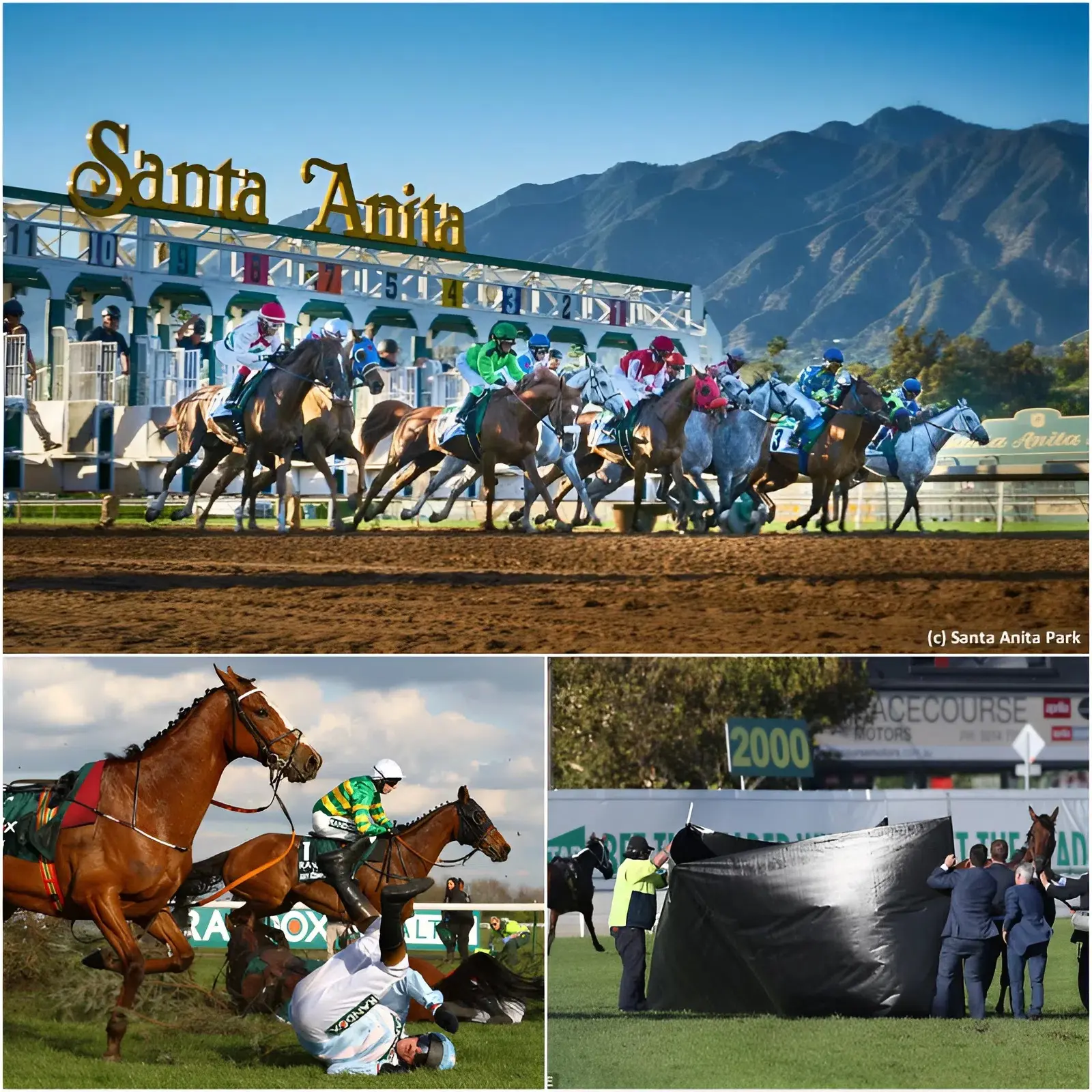
Santa Anita Park, one of California’s flagship venues renowned for hosting major events like the Santa Anita Derby and Breeders’ Cup races, also saw fatalities in January. Early in the month, Mo Town Gal, a six-year-old mare, was injured after becoming loose from her pony en route to training on January 7 and was subsequently euthanized. Damazio, a seven-year-old gelding, suffered a musculoskeletal injury during the second race on January 11, throwing his jockey and leading to euthanasia.
Additional incidents followed later in the month, including Angelic Appeal, a six-year-old mare fatally injured in a race on January 24, and Cornhuskerchris, a four-year-old colt who sustained a fatal training injury the next day. These cases contributed to Santa Anita’s tally of several musculoskeletal-related deaths in racing and training, consistent with patterns observed in prior years despite ongoing reforms.

The Belmont fatalities, including True Kew’s training mishap, added to concerns at the New York circuit, where training-related incidents have historically drawn scrutiny. While Belmont has implemented measures such as enhanced veterinary oversight and surface maintenance, early-year incidents suggest that challenges persist, particularly with young or lightly raced horses.
These January events, while not unprecedented in the sport’s history, prompted a surge of debate among horse racing enthusiasts, bettors, owners, trainers, and online communities. Social media platforms and racing forums quickly amplified discussions, with advocates from groups like Horseracing Wrongs compiling and publicizing fatality lists drawn from public records. Critics argued that the deaths reflect systemic issues, including the physical demands of training and racing, early starts for some horses, and the use of performance-enhancing or therapeutic medications under regulatory scrutiny.
Supporters of the industry countered by pointing to broader trends showing declines in fatality rates in jurisdictions governed by the Horseracing Integrity and Safety Authority (HISA), which oversees many U.S. tracks and has enforced stricter uniform rules on medication, track surfaces, and veterinary practices since its implementation.
HISA’s data from recent quarters has indicated progress, with racing-related fatality rates dropping year-over-year in covered states. However, early 2026 incidents at non-HISA or variably regulated tracks, combined with high-profile cases at major venues, fueled calls for further reforms. Animal welfare organizations renewed demands for independent oversight, limits on race frequency, and greater transparency in injury reporting. Industry stakeholders emphasized ongoing investments in track maintenance, pre-race veterinary exams, and aftercare programs for retired horses as evidence of commitment to improvement.
The IFHA, as the global coordinating body for horseracing authorities, monitors such trends internationally to promote best practices and welfare standards. While the federation does not directly regulate U.S. domestic racing—handled by state commissions and HISA—its dissemination of information underscores the shared responsibility across borders to address fatalities. Comparable concerns have arisen in other regions, with reports of early-year deaths in the UK and Ireland prompting parallel conversations about jump racing risks.
The debate extends beyond statistics to ethical questions about the sport’s future. Fans express heartbreak over individual horses like True Kew and Wonderful Justice, viewing them as sentient athletes deserving protection. Others defend racing’s cultural and economic value, arguing that fatalities, though tragic, represent a small percentage of starts and that advancements in veterinary science and track engineering continue to mitigate risks.
As February progresses, attention turns to whether these January incidents will spur accelerated changes. Regulators may review specific track conditions, jockey safety (noting spills in some cases), and breeding practices that produce horses prone to certain injuries. The online horse racing community, from casual observers to dedicated analysts, continues to monitor updates from sources like the California Horse Racing Board, Equibase, and advocacy trackers, ensuring these events remain in focus.
Ultimately, the fatalities at Santa Anita, Belmont, and Mahoning serve as a sobering reminder of the sport’s fragility. While progress has been made in reducing risks, the loss of even a single horse sparks reflection on balancing tradition, competition, and compassion. The racing world watches closely for signs of meaningful evolution in response to these early 2026 tragedies.