The Mr. Trump intervened to make that happen,” IndyCar director declared, rejecting fan criticism about the political aspects of the race in Washington DC, silencing fan criticism in the US capital.
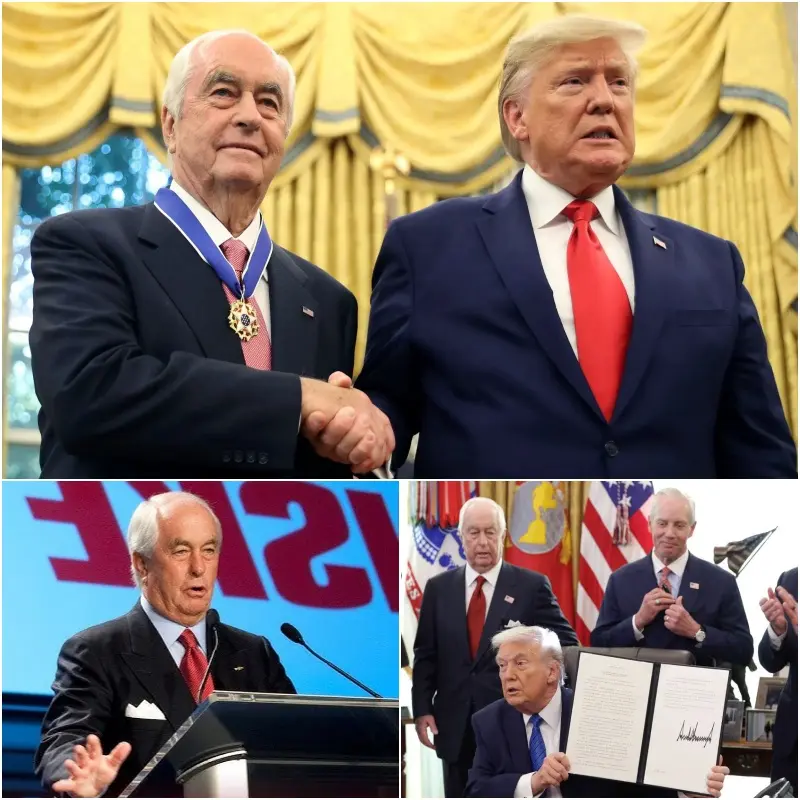
In a bold move that has sparked both excitement and debate across the motorsports community, the NTT IndyCar Series is set to make history with the Freedom 250 Grand Prix of Washington, D.C., scheduled for August 21-23, 2026. This inaugural event will mark the first time in history that open-wheel race cars will roar through the streets of the nation’s capital, navigating a course near the iconic National Mall and surrounding monuments.
The announcement, formalized by an executive order signed by President Donald Trump on January 30, 2026, has positioned the race as a centerpiece of the America’s 250th birthday celebrations, blending high-speed competition with patriotic spectacle.
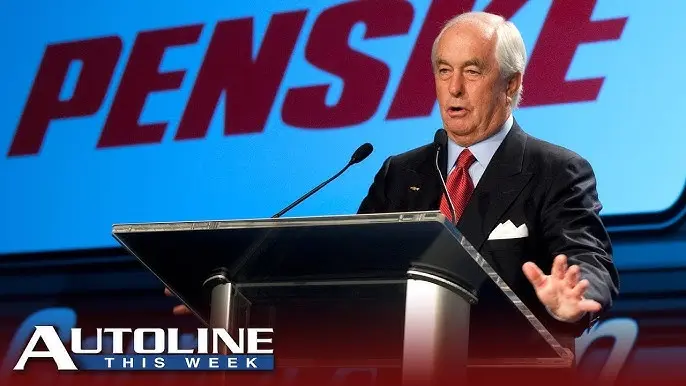
IndyCar officials have firmly defended the event amid growing fan criticism that it injects unnecessary political dimensions into the sport. Speaking on behalf of the series, an IndyCar director emphasized the decisive role played by the president in bringing the vision to fruition. “Mr. Trump intervened to make that happen,” the director stated, underscoring how executive action overcame logistical and bureaucratic hurdles that might otherwise have stalled the project.
The comment came in direct response to online discussions and fan forums where some supporters questioned whether the race’s ties to the White House and the America250 initiative were overshadowing the pure racing merit of the event.
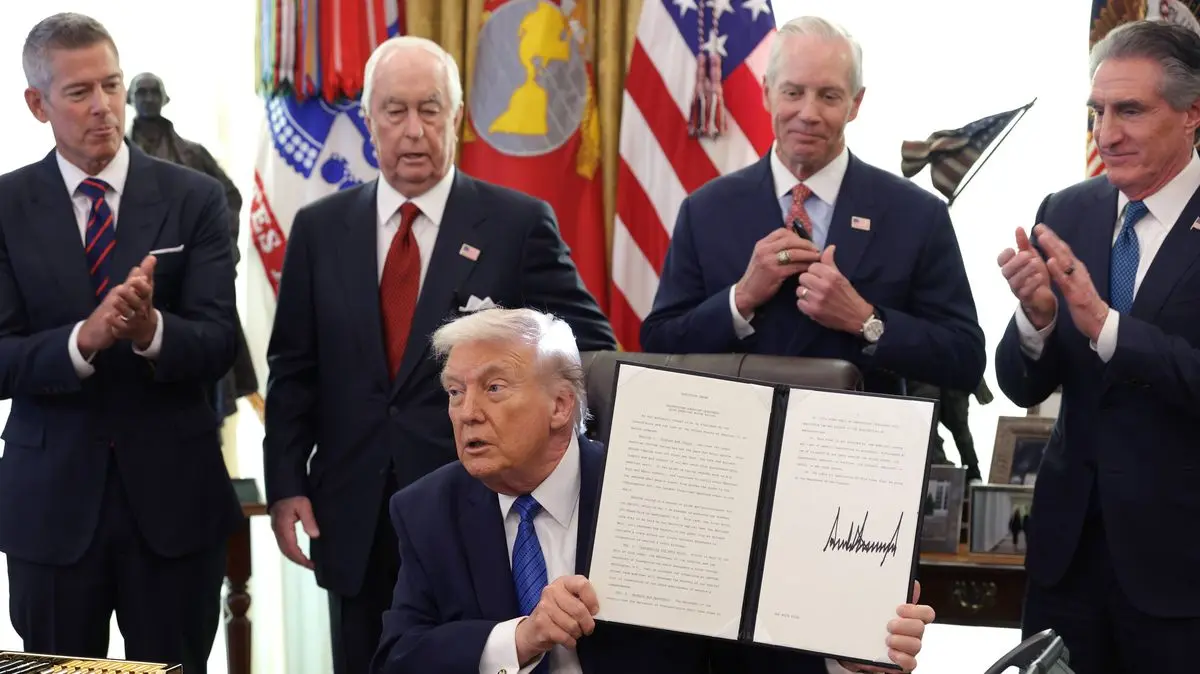
The executive order directed the U.S. Departments of the Interior and Transportation, in coordination with Washington, D.C.’s mayor and other local entities, to designate a suitable race route that would highlight the city’s grandeur. President Trump, during the signing ceremony in the Oval Office, was joined by Roger Penske, the influential owner of Indianapolis Motor Speedway and IndyCar, as well as Transportation Secretary Sean Duffy.
Trump described the initiative as a celebration of “American greatness with American motor racing,” noting that he had urged organizers to select the most impressive—and potentially challenging—path through the capital, even if it required extra effort for approvals. “I said pick the absolute best site,” he reportedly remarked, pushing for a layout that would allow drivers to navigate past landmarks symbolizing national pride.
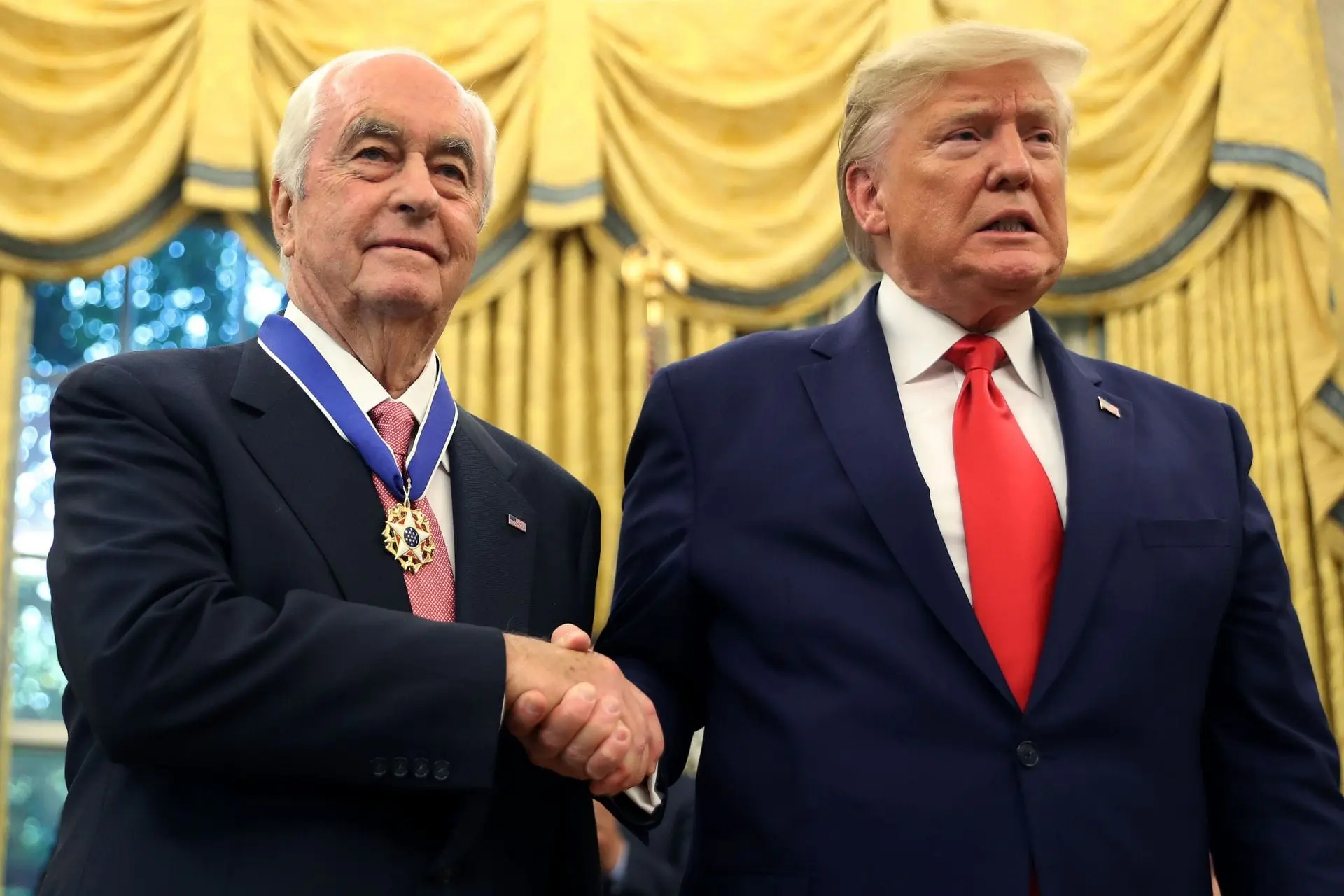
The Freedom 250 Grand Prix is envisioned as a free public event, offering spectators unparalleled views of high-speed IndyCar action against the backdrop of the Lincoln Memorial, Washington Monument, and other historic sites. Organizers, including a partnership announced shortly after the executive order between IndyCar and Monumental Sports & Entertainment, have highlighted the event’s potential to draw massive crowds and showcase the “fastest racing on Earth” in a setting unlike any previous street circuit.
Planning for the race reportedly began months earlier, with course designers and officials conducting extensive discussions to ensure feasibility, safety, and minimal disruption to the capital’s operations.
Critics within the fanbase, particularly on social media platforms and racing forums, have voiced concerns that the heavy involvement of the administration politicizes IndyCar, a series traditionally focused on competition rather than partisan messaging. Some fans argued that linking the race so closely to a specific political figure and national anniversary celebrations risks alienating portions of the audience who prefer to keep sports separate from government initiatives.
Questions have also arisen about practical matters, such as the need for congressional approval in certain areas due to restrictions on advertising near Capitol grounds, potential traffic impacts in D.C., and whether the one-off nature of the event justifies the resources invested.
In addressing these points, the IndyCar director pushed back decisively. By crediting Trump’s direct intervention, the statement aimed to reframe the narrative: the president’s support was not an imposition but a catalyst that enabled a unique opportunity for the series. The director rejected the notion that the event’s origins diminished its legitimacy, instead portraying it as a triumph of collaboration between government, private enterprise, and motorsports. “This is about celebrating America through one of its most exciting traditions—IndyCar racing,” the director added, emphasizing that the race would stand on its own merits as a thrilling addition to the 2026 schedule.
The event’s one-time status has been confirmed by IndyCar, dispelling rumors of it becoming a recurring fixture or leading into similarly named races in future years. This singularity adds to its allure as a historic milestone, much like past ambitious street races in cities such as Long Beach or Toronto, but elevated by its proximity to symbols of American democracy and independence. Drivers and teams are anticipated to embrace the challenge of a new track layout, expected to feature high-speed straights mixed with technical sections around monuments, demanding precision at speeds exceeding 200 mph in places.
As preparations advance, the Freedom 250 Grand Prix continues to generate buzz. Monumental Sports & Entertainment has committed to delivering an exceptional experience, promising patriotic elements that align with the anniversary theme while prioritizing fan accessibility. The free admission model is seen as a nod to inclusivity, allowing everyday Americans to witness the spectacle without financial barriers.
While debates persist about the intersection of politics and sports, IndyCar’s leadership remains steadfast. By highlighting President Trump’s pivotal role in overcoming obstacles, they have sought to quiet detractors and shift focus back to the racing itself. The director’s declaration serves as a clear message: the intervention was essential to realizing an unprecedented event that promises to captivate audiences and etch a new chapter in IndyCar history.
With the summer of 2026 approaching, all eyes will turn to Washington, D.C., where the roar of IndyCar engines will echo through the capital’s streets—a testament to innovation, speed, and national celebration. Whether viewed as a bold patriotic showcase or a controversial blend of realms, the Freedom 250 Grand Prix is poised to deliver an unforgettable weekend of racing in the heart of the nation.