Indycar’s unexpected rule change: Scott Dixon has a chance to “turn the tables and have a chance to win his 7th championship”

As the 2026 NTT IndyCar Series season unfolds, one of the most intriguing developments has been an unexpected adjustment to the racing regulations that could reshape the championship battle in favor of veteran star Scott Dixon. The six-time champion, long regarded as one of the most consistent and calculating drivers in the series, now finds himself with renewed optimism as he chases a record-tying seventh title alongside A.J. Foyt.
While reigning champion Alex Palou enters the year as the heavy favorite after dominating recent seasons, IndyCar’s tweak to tire usage on street circuits has sparked discussion that it might just “turn the tables” for Dixon and his Chip Ganassi Racing team.
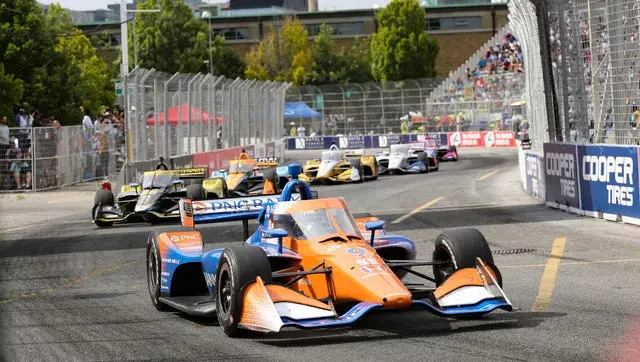
The rule change, announced in the lead-up to the season, mandates that teams on all six street course events must use two sets of Firestone’s faster alternate (soft) compound tires during the race, along with at least one set of the primary (hard) tires. Previously, drivers needed only one set of each compound. Teams must still complete a minimum of two green-flag laps on each required set to comply, but the extra alternate stint introduces greater strategic complexity.
IndyCar officials believe the adjustment will encourage more pit stops, reduce conservative fuel-saving tactics, and promote closer wheel-to-wheel racing, particularly on the tight, bumpy confines of temporary street layouts.
For a driver like Scott Dixon, whose career has been built on precision, adaptability, and making the most of every opportunity, this shift could prove significant. At 45 years old and entering what many consider the twilight of his remarkable career, Dixon has maintained an extraordinary level of performance. He holds records for the most consecutive seasons with a win (now stretching toward 22 or more) and boasts over 400 starts, more than 140 podiums, and 59 victories. His ability to manage tires, execute flawless strategies, and capitalize on chaos has defined his legacy.
The new tire rule, which forces greater use of the quicker but higher-wearing alternate rubber, plays directly into strengths that have sometimes been masked in recent years by Palou’s outright pace advantage.
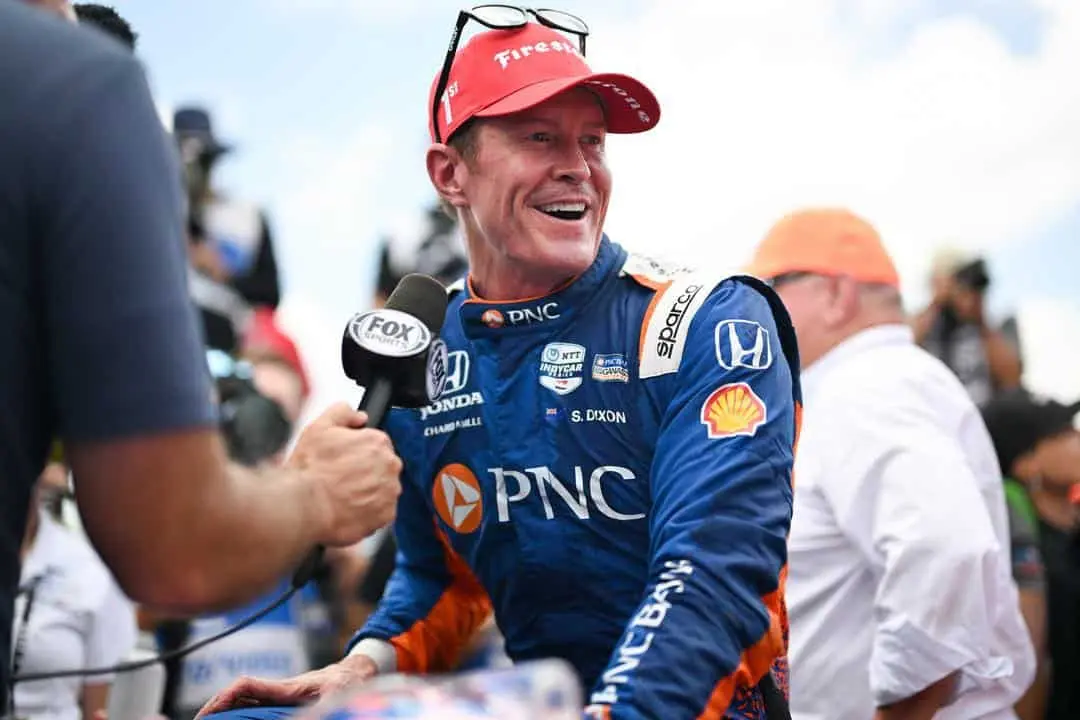
Dixon finished third in the 2025 standings, a solid result that underscored his consistency even as his Ganassi teammate Palou secured a third consecutive title. Throughout the offseason, Dixon and the No. 9 Honda squad emphasized targeted improvements in execution—areas where small margins in qualifying or race-day decisions had cost them dearly. “We’ve had speed; we just didn’t always have it when we needed it,” Dixon noted last year when reflecting on the campaign. With the tire mandate now in place, those “deep dives” into strategy could yield bigger rewards.
More mandatory alternate tire runs mean teams must plan around greater degradation, opening windows for undercut or overcut strategies that reward clever pit calls and traffic management—hallmarks of Dixon’s approach.
Analysts and insiders have already begun speculating that the change could level the playing field slightly on street circuits, where passing remains difficult and tire management often dictates outcomes. Streets like St. Petersburg, Long Beach, Detroit, and others form a substantial portion of the early schedule, where points are critical in an 18-race calendar that places heightened importance on a strong start. In past seasons, dominant cars could stretch stints on harder tires and control races through superior pace alone. Now, with two alternate stints required, the softer compounds—known for their grip but rapid fall-off—could create more variability.
Drivers who excel at preserving tires while still pushing the limit, or who time their switches perfectly amid cautions, stand to gain.
Dixon has never been one to rely on raw speed alone. His six championships, including memorable come-from-behind charges, highlight a cerebral style that thrives when conditions reward patience and opportunism. Chip Ganassi Racing, with its deep resources and engineering excellence, is well-positioned to adapt. The team has already unveiled Dixon’s “brilliantly boring” livery for 2026 in partnership with PNC Bank, a subtle nod to the steady, reliable qualities that mirror the driver’s own approach. As Dixon himself has hinted in preseason comments, the fire remains strong, and he believes he has at least a couple more strong years ahead.
Of course, the challenge remains formidable. Alex Palou has established himself as the benchmark of the current era, blending blistering qualifying speed with clinical race execution. Team Penske drivers like Josef Newgarden and Scott McLaughlin, along with emerging talents such as Pato O’Ward at Arrow McLaren, continue to push the envelope. The introduction of independent officiating through a new not-for-profit body adds another layer of consistency in rule enforcement, potentially reducing controversies that have occasionally influenced outcomes.
Safety enhancements, including updated tire ramp flaps for the Indianapolis 500 to prevent airborne incidents, reflect IndyCar’s ongoing commitment to driver protection but do not directly alter the championship calculus.
Yet the tire rule stands out as the most tangible “unexpected” element for 2026. By compelling greater use of the alternate tires, IndyCar has injected fresh unpredictability into street races, where strategy windows narrow and mistakes amplify quickly. For Dixon, who has spoken about the need for better execution to challenge at the front, this could represent the opening he needs.
Observers close to the paddock suggest that if Ganassi can optimize setups around the softer compounds and Dixon maintains his trademark calm under pressure, the veteran could string together strong results on the streets that form the backbone of the early points chase.
The broader context of Dixon’s pursuit adds emotional weight to the story. A seventh title would not only tie Foyt’s all-time mark but cement Dixon’s status as one of the greatest drivers in IndyCar history, transcending generations. He has already surpassed many legends in wins and longevity, all while maintaining a humble, team-first demeanor that endears him to fans and peers alike. At an age when many drivers consider stepping back, Dixon continues to sign short-term deals and show no signs of slowing, driven by the same competitive hunger that carried him from New Zealand to IndyCar stardom.
As the season progresses, all eyes will be on how the new tire regulations play out in practice. Early races on street circuits will offer the first real test, with teams scrambling to gather data on degradation rates and optimal stint lengths. For Dixon, the change arrives at a pivotal moment—off the back of consistent but not championship-winning performances, yet with a team capable of rapid adaptation. It offers the possibility of turning recent near-misses into tangible gains, forcing rivals to match his strategic acumen rather than simply outpacing him.
Whether this rule tweak ultimately hands Dixon the edge he needs remains to be seen. Racing is inherently unpredictable, and one mechanical failure or untimely caution can derail even the best-laid plans, as evidenced by incidents in the season opener. But in a series that prides itself on parity and excitement, the adjustment feels like a timely nudge toward variety. For Scott Dixon, it represents a genuine chance to turn the tables, leverage his experience, and mount a serious bid for that elusive seventh championship.
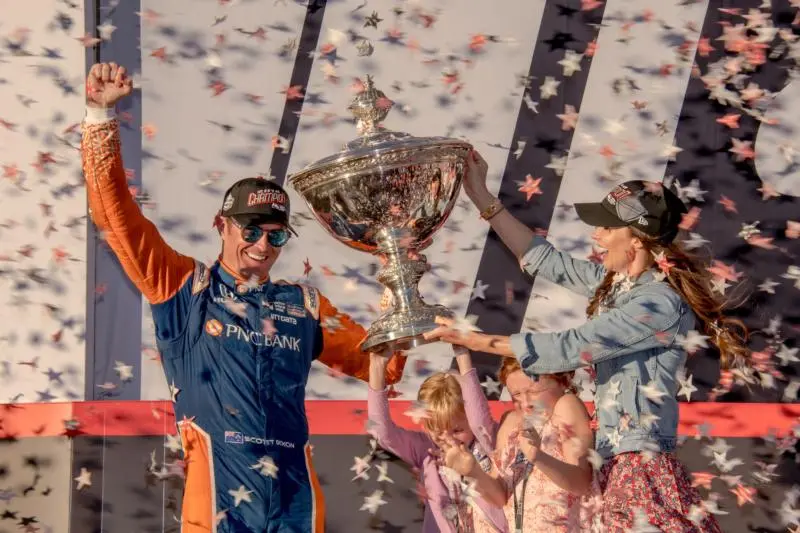
In the high-stakes world of IndyCar, where legends are forged through both speed and savvy, Dixon’s story continues to inspire. If the new rules amplify the value of smart racing over pure dominance, the Ice Man could yet find himself hoisting the Astor Cup once more. Fans and competitors alike will be watching closely as the 2026 campaign delivers its first full test of this unexpected regulatory shift. With Dixon at the controls, few would bet against him making the most of the opportunity.