Two-time IndyCar champion Will Power expressed significant discomfort following a dramatic qualifying crash at Phoenix Raceway, stating, “I feel quite hurt” as he described the injury sustained in the incident. The Australian driver, now competing for Andretti Global in the No. 26 Honda, endured a high-speed impact that sent him to the trackside medical center for immediate evaluation.
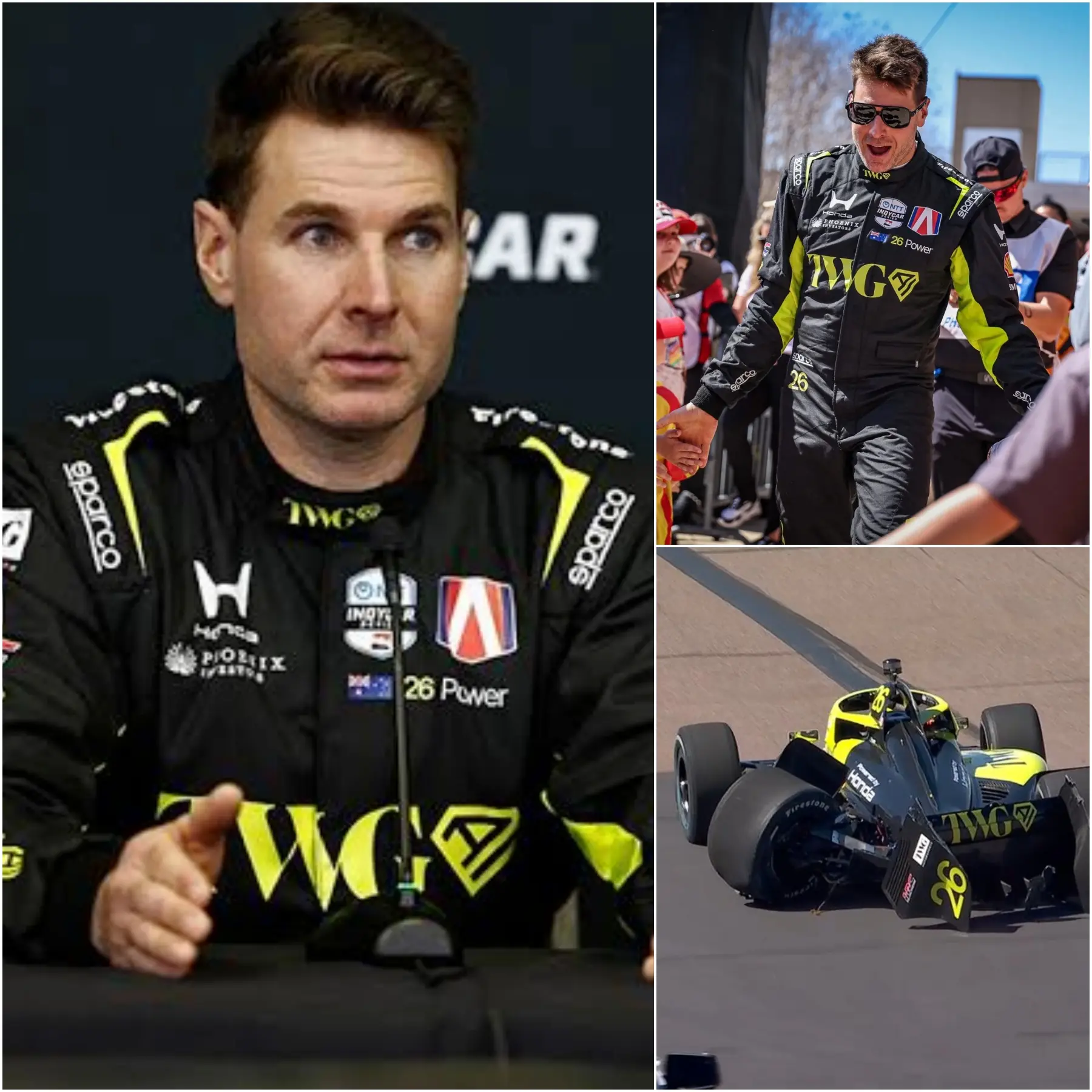
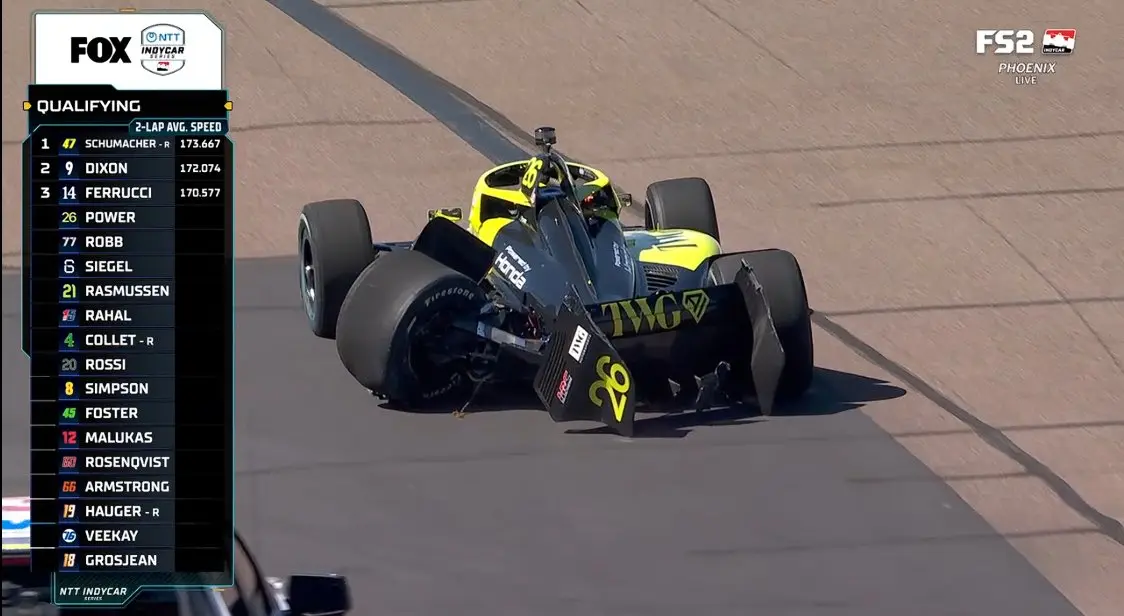
The crash occurred during qualifying for the Good Ranchers 250 on March 6, 2026, at the one-mile Phoenix Raceway oval. Power, who had posted a strong initial lap of 174.137 mph that briefly topped the charts, lost control on his second flying lap. Entering Turn 1, the rear of his car suddenly broke loose, leading to a spin that resulted in the vehicle slamming rear-first into the outside wall. The No. 26 machine then rolled onto the apron before coming to rest near the pit lane entrance.
The impact was forceful enough to trigger IndyCar’s standard high-G protocols, necessitating a trip to the infield medical unit for checks.
Power emerged from the car under his own power but was visibly limping as he made his way to the medical center. Medical staff assessed him for potential injuries, particularly focusing on the forces involved in the rearward collision. Upon release, he confirmed the primary issue was to his knee, which struck the dashboard bulkhead during the abrupt deceleration. “Just my knee hit the dash when it came up. So pretty sore, but nothing broken or anything,” Power explained in post-qualifying comments. He emphasized that while the pain was notable, scans and examinations ruled out fractures or more severe damage.
The limp he displayed upon exiting the facility underscored the immediate physical toll, even if the injury appeared manageable in the short term.
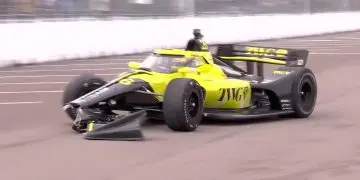
This latest mishap marks the third crash for Power in the young 2026 NTT IndyCar Series season, compounding what has been a challenging transition following his high-profile move from Team Penske to Andretti Global. The season opener at St. Petersburg saw him involved in multiple incidents, including heavy contact in practice and a race-ending crash in Turn 10. Those setbacks left him near the bottom of the standings after the first event.
Now, at Phoenix—one of the few remaining short ovals on the calendar where experience counts heavily—Power’s qualifying run ended prematurely, consigning him to a 24th-place starting position on the 25-car grid.
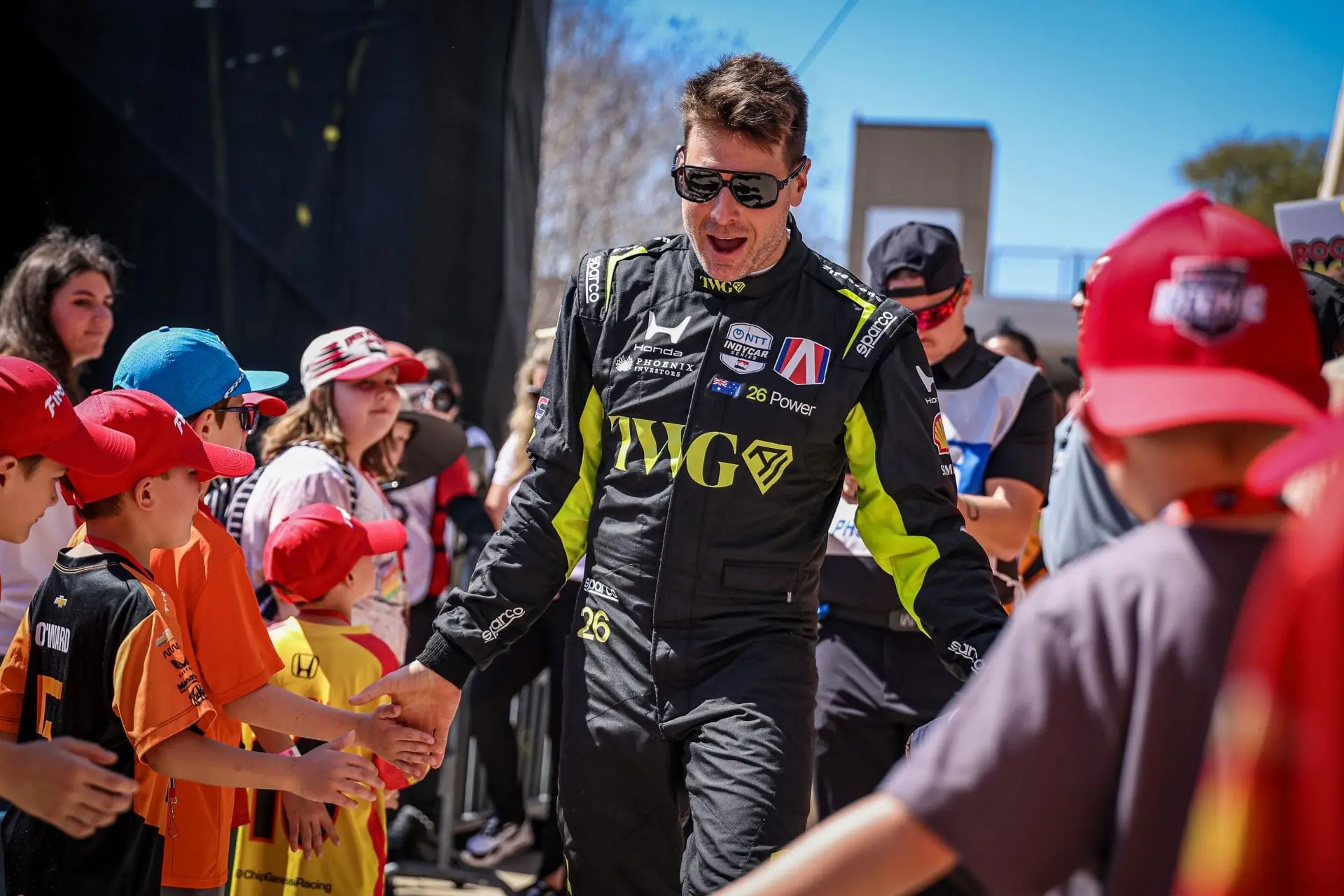
The incident highlighted the unforgiving nature of oval racing, where tiny margins for error can lead to significant consequences. Power noted the car’s handling felt markedly different from earlier practice sessions. “Man, I just don’t know what happened to the car. It felt so much looser than we were this morning. It’s very strange,” he said. “The car had been very comfortable there all day.” Despite topping the speed charts momentarily on his first lap, the sudden instability caught him off guard, preventing any chance to challenge for a better grid spot.
David Malukas ultimately claimed pole position, while other notable performances came from drivers like Mick Schumacher, who qualified strongly in what has been an impressive oval debut.
Power’s comments about feeling “quite hurt” reflect not only the physical pain from the knee impact but also the emotional frustration of a difficult start to life at his new team. Andretti Global has high expectations for the two-time champion, whose pedigree includes mastery of various track types and a reputation for raw speed. However, reliability and consistency have eluded him thus far in 2026. The Phoenix crash adds to the growing list of setbacks, raising questions about setup adjustments and adaptation to the new environment.
Team personnel worked quickly to repair the damaged Honda, focusing on the rear assembly and any structural concerns from the wall contact.
IndyCar’s medical team continues to prioritize driver safety, especially on ovals where speeds remain high and impacts can exceed 50G in severe cases. Power’s ability to walk away—albeit gingerly—and receive clearance speaks to the robustness of modern IndyCar cockpits, including the aeroscreen and energy-absorbing structures. Still, the soreness serves as a reminder that even minor contacts can produce lingering effects, potentially influencing his performance in the race.
Looking ahead to the Good Ranchers 250, Power faces an uphill battle from deep in the field. Phoenix’s tight confines and pack racing demand patience and strategy, qualities the veteran has demonstrated throughout his career. A strong recovery drive could salvage points and momentum, but the injury adds another layer of difficulty. Managing knee pain while enduring the physical demands of oval competition—constant G-forces, steering input, and vibration—will test his resilience.
Power’s situation underscores broader themes in the 2026 season’s early stages: the competitiveness of the field, the challenges of team switches, and the razor-thin margins in oval qualifying. As one of IndyCar’s most accomplished drivers, with multiple championships and iconic victories to his name, Power remains determined to turn things around. His candid admission of feeling hurt reveals the human side behind the helmet—a champion grappling with adversity but unwilling to back down.
For now, the focus shifts to race day, where Power will aim to channel the frustration into performance. The incident at Phoenix Raceway may have bruised both body and pride, but history suggests Will Power has the tenacity to fight back from tough starts. Fans and rivals alike will watch closely to see how the two-time champion responds when the green flag drops.