The Indianapolis 500, one of the most iconic events in motorsport, is currently facing significant uncertainty as discussions swirl around potential changes to its traditional format. Rumors have intensified that the prestigious 200-lap race could be shortened in response to ongoing controversies surrounding the hybrid power unit system and deep divisions among drivers on certain late-race rules.
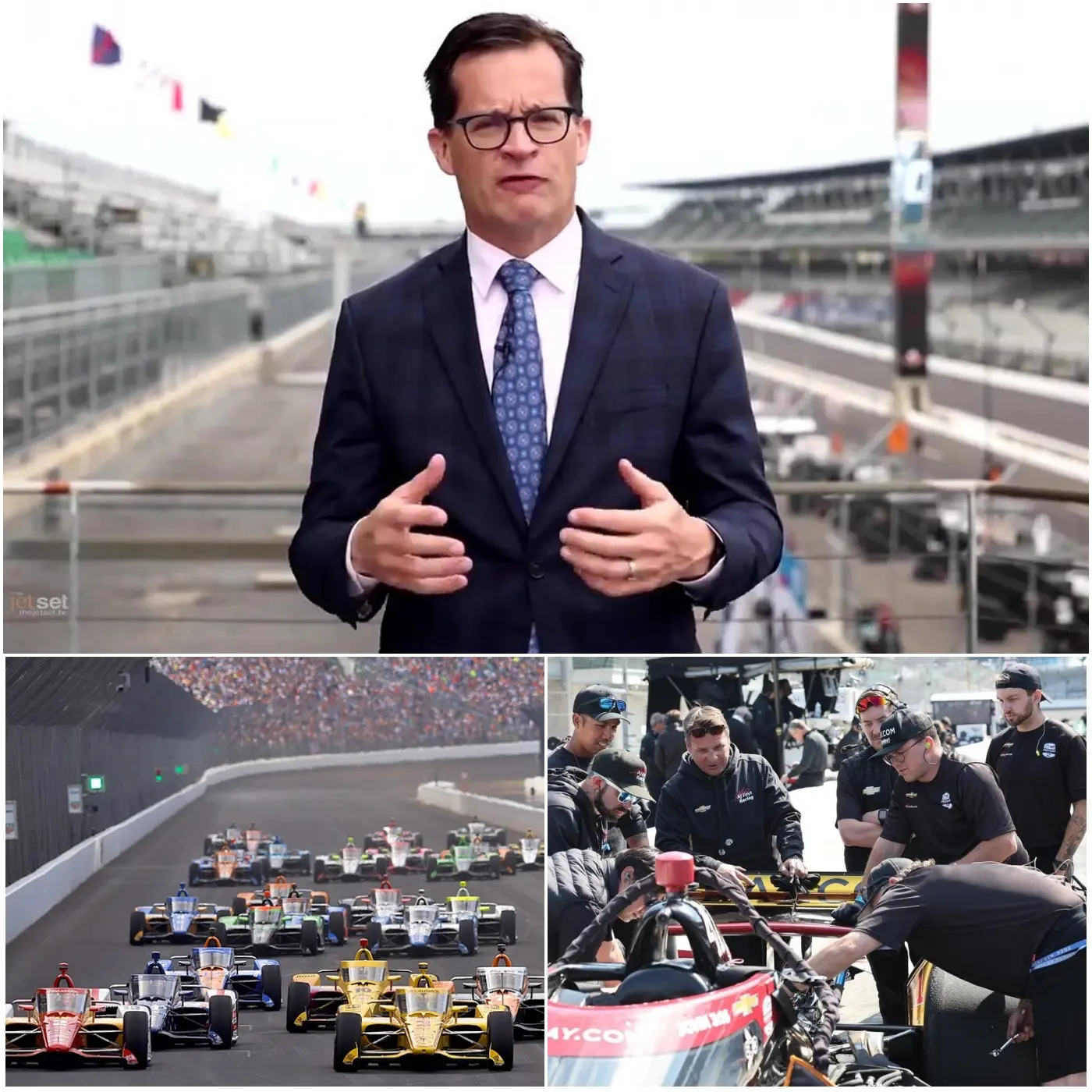
The hybrid system, introduced to the NTT IndyCar Series in mid-2024 and making its Indianapolis Motor Speedway debut in the 2025 edition, was intended to bring a modern edge to open-wheel racing by adding an electric boost to the 2.2-liter twin-turbo V6 engines supplied by Honda and Chevrolet. The technology provides drivers with additional horsepower through energy recovery and deployment, aiming to enhance overtaking opportunities and align the series with broader automotive trends toward electrification. However, its integration has sparked widespread debate rather than universal acclaim.
Critics, including several prominent drivers, have pointed to the added weight—approximately 100 pounds from the hybrid components concentrated toward the rear—as a major drawback. This extra mass has altered the cars’ handling characteristics dramatically. Drivers have described the vehicles as feeling “lazy” or prone to “plowing like pigs,” meaning they push wide in corners instead of responding sharply on the edge of grip as they did in the pre-hybrid era.
The shift has made the cars less agile, particularly on ovals like the 2.5-mile Indianapolis Motor Speedway, where precise control at high speeds is essential for maintaining competitive lines and executing passes.
In the 2025 Indianapolis 500, the first full test of the hybrid at the Brickyard, these issues became evident. While some drivers adapted by strategically managing energy deployment and regeneration throughout the 200 laps, others struggled with overheating concerns, inconsistent boost availability, and a general reduction in the raw, on-the-limit feel that has long defined IndyCar racing. The longer race distance amplified these challenges, as sustained management of the system became a factor in strategy and tire wear.
Although the race itself delivered moments of excitement, many in the paddock felt the hybrid diluted the spectacle rather than elevated it, leading to calls for adjustments or even reconsideration of its role.
Compounding the hybrid discontent is a separate but related controversy brewing over late-race track position rules. Drivers are sharply divided on a proposed or rumored directive that would require cars in danger of being overtaken—those “close to being caught”—to voluntarily yield position near the end of the race. Proponents argue this would prevent defensive blocking tactics that can stifle action in the closing stages, promoting cleaner, more aggressive racing and rewarding superior pace over strategic gamesmanship. Opponents, however, view it as an artificial interference that undermines the core principle of oval racing: defending hard-earned position through skill and car setup.
The debate has created factions within the driver ranks. Some veterans and those who excel in traffic favor maintaining the status quo, where track position is sacred and defending it is part of the challenge. Younger or more aggressive competitors push for the change, believing it could lead to more dynamic finishes and prevent processional runaways in the final laps. This split has fueled heated discussions in drivers’ meetings and media sessions, with no clear consensus emerging. The divisiveness has raised concerns about fairness, enforcement, and the potential for controversial calls that could overshadow the race result itself.
Amid these tensions, whispers of shortening the Indianapolis 500 have gained traction as a possible compromise. Reducing the distance—perhaps to 150 or 175 laps—could theoretically mitigate some hybrid-related issues by shortening the window for energy management problems to compound and lessening the overall impact of added weight on fatigue and handling degradation. A shorter race might also make late-race rule enforcement more palatable, as the stakes in the final segments would intensify without extending the event’s duration to the point where strategic conservatism dominates.
Proponents of shortening suggest it could refresh the event, making it more viewer-friendly in an era of shorter attention spans while addressing safety concerns tied to prolonged high-speed running.
However, the idea has met fierce resistance from traditionalists who see the 200-lap, 500-mile format as sacrosanct. The Indianapolis 500’s length is part of its identity—the “Greatest Spectacle in Racing” earns that moniker through endurance, strategy, and the sheer test of man and machine over half a thousand miles. Shortening it, critics argue, would diminish its prestige, alienate longtime fans, and blur the line between it and other IndyCar oval events. Team owners and series officials have remained cautious in public statements, emphasizing ongoing evaluations of the hybrid and rules packages ahead of future seasons.
Recent developments provide some context to the broader stability of the series. In February 2026, IndyCar announced multiyear agreements with Honda and Chevrolet to continue as engine manufacturers through at least 2027, with a new 2.4-liter twin-turbo hybrid V6 and chassis slated for 2028. These deals signal confidence in the powertrain direction, including the hybrid evolution, but they do not directly quell the immediate concerns around the current setup at Indianapolis.
As the 110th running approaches on May 24, 2026, all eyes are on how IndyCar leadership navigates these intertwined issues. The hybrid was meant to modernize the sport, but its rocky reception has exposed fault lines in driver opinions and technical execution. The track position debate adds another layer of potential drama, risking further polarization. Whether shortening the race becomes a serious proposal or remains rumor, the controversies highlight a pivotal moment for the Indianapolis 500.
The event has weathered storms before—technological shifts, rule changes, and scandals—but preserving its enduring appeal while adapting to new realities will test the resolve of everyone involved. For now, the Brickyard remains the ultimate stage, where innovation and tradition collide at over 230 miles per hour, and the outcome of these debates could shape its future for years to come.