The Indianapolis 500, one of the most iconic events in motorsport, is currently facing significant challenges that could lead to unprecedented changes, including the possibility of shortening the traditional 200-lap, 500-mile race. The introduction of hybrid power units and ongoing debates over race rules—particularly how lapped cars are handled in the closing stages—have sparked intense controversy among drivers, teams, and fans alike. These issues have escalated to the point where discussions about altering the race format to preserve excitement and fairness are gaining traction.
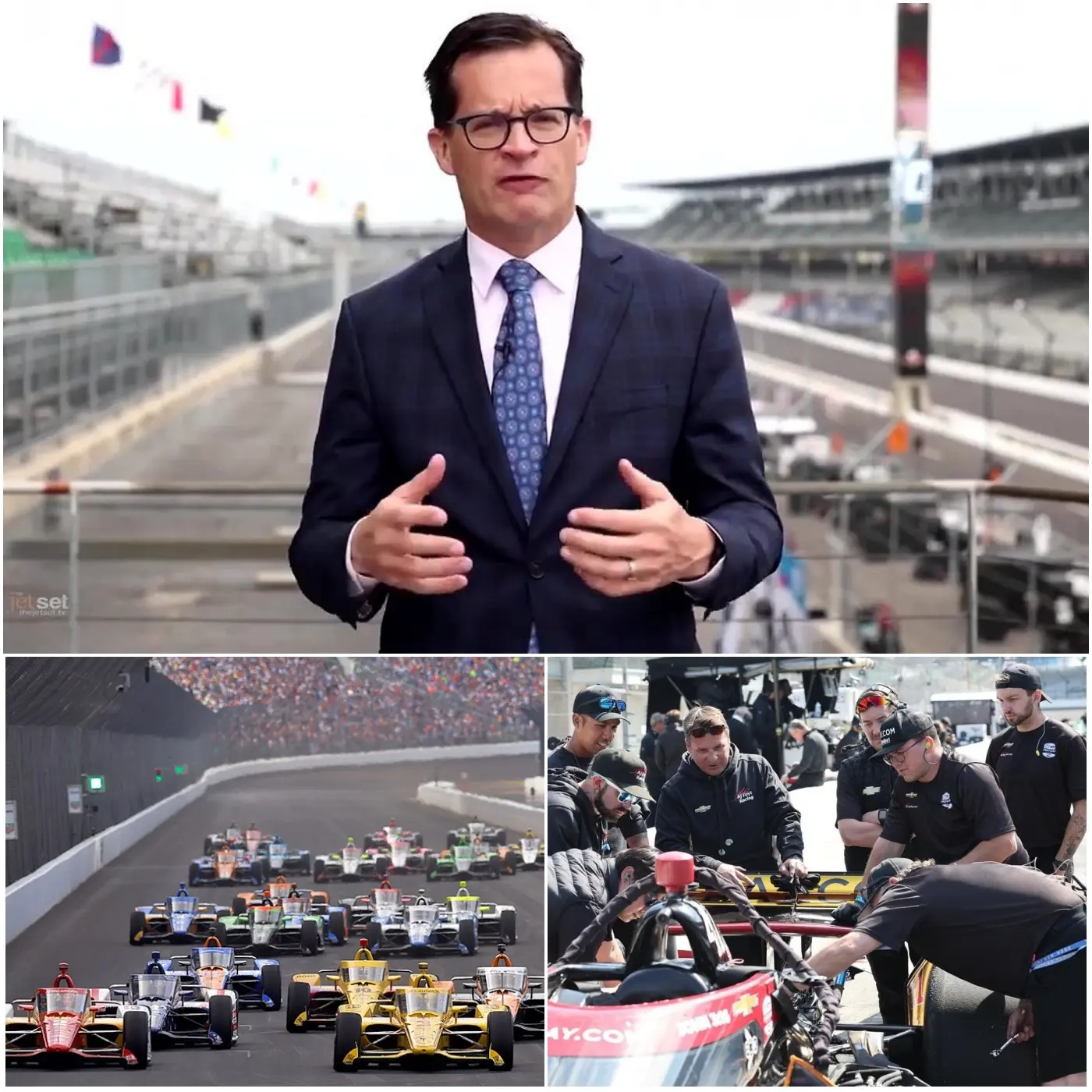
The hybrid system, which debuted in IndyCar during the 2024 season and made its first appearance at the Indianapolis 500 in 2025, was intended to bring modern technology to the series, improve relevance to road-car development, and enhance performance through energy recovery and deployment. Using ultracapacitors rather than heavy batteries, the low-voltage hybrid adds bursts of power while maintaining a relatively lightweight profile compared to full battery systems. However, integrating this technology into a chassis design that dates back over a decade has proven problematic.
The added weight—primarily positioned toward the rear—has shifted balance, increased tire wear, and made the cars more difficult to handle, especially on the high-speed oval of the Indianapolis Motor Speedway.
Drivers have expressed sharply divided opinions on the hybrid’s impact. Some, like championship contender Alex Palou, have welcomed the added complexity, viewing it as an interesting challenge that could produce great racing if managed well. Others, including Pato O’Ward, have been more critical, describing the cars as feeling heavier and less responsive, with one prominent voice noting that the hybrid has brought “zero benefit” in terms of improving the on-track product.
The extra torque to the rear wheels and the need to manage energy deployment and temperatures have forced teams to adopt conservative strategies, pulling drivers off the limit to preserve stints and avoid overheating issues. Reliability glitches, such as harness problems or warning lights during practice, have compounded frustrations, though major failures have been relatively contained.
At the 2025 Indy 500, these dynamics contributed to a race that many felt lacked the overtaking spectacle fans expect from “The Greatest Spectacle in Racing.” The hybrid’s influence on car setup and driving style reportedly reduced opportunities for bold passes, leading to processional sections where strategy focused more on energy management than outright speed. Post-race analyses highlighted how the added mass affected handling in traffic, making it harder for drivers to close gaps or execute clean overtakes.
While some crashes occurred—attributed in part to the trickier car behavior—the overall product left a segment of the driver community and observers questioning whether the technology has enhanced or detracted from the event’s legacy.
Compounding the hybrid concerns is a separate but related controversy surrounding rules for lapped cars in the final stages of the race. IndyCar’s approach to blue flags—warnings for slower cars to yield to leaders—has long been a point of contention, differing from stricter enforcement seen in other series like Formula 1. In recent years, particularly evident in finishes where leaders encounter backmarkers who are “close to being caught,” debates have intensified over whether drivers about to be lapped should be forced to relinquish track position immediately or allowed to defend aggressively in hopes of benefiting from a late caution.
This issue came to a head in recent Indy 500s, where the unique “blue flag rules” at Indianapolis permitted lapped cars more leeway compared to road and street courses. Drivers are divided: front-runners like Will Power have long advocated for stricter measures to prevent backmarkers from holding up the lead pack, arguing it disrupts the rhythm and fairness of the closing laps. Others defend the current leniency, suggesting that allowing lapped cars to fight maintains the unpredictable, survival-of-the-fittest nature that defines oval racing.
The divisive opinions have fueled calls for rule changes, with some proposing mandatory yielding when leaders are within a certain distance or under specific conditions in the final 10-20 laps.
These two controversies—hybrid performance shortcomings and lapped-car handling—have converged into broader discussions about the race’s future format. Insiders report that shortening the Indy 500, perhaps to 150 or 175 laps, has been floated as a potential solution to mitigate the hybrid’s strategic conservatism and reduce the likelihood of late-race traffic chaos. Proponents argue that a shorter distance could encourage more aggressive racing, preserve tire life under the hybrid load, and heighten drama by compressing strategies into fewer laps.
Critics, however, warn that altering the historic 500-mile distance would undermine the event’s core identity, diluting its status as the ultimate test of endurance, skill, and engineering.
The debate has intensified ahead of the upcoming season, with the series’ leadership navigating pressure to address fan feedback while maintaining tradition. Recent announcements of multiyear commitments from engine suppliers Honda and Chevrolet, extending through 2027 and into a new 2.4-liter hybrid V6 era starting in 2028 with an all-new chassis, signal stability on the technical front. Yet these long-term plans do little to quell immediate concerns about the current package’s effect on the Indy 500’s spectacle.
As the series prepares for the next running, the threat of a shortened race hangs over the Brickyard like a caution flag. Drivers, engineers, and officials continue to experiment with setups and rule tweaks, hoping to restore the thrilling, high-stakes action that has defined the event for over a century. Whether through refined hybrid deployment, stricter lapped-car protocols, or a more radical format adjustment, the coming months will determine if the Indianapolis 500 can evolve without losing its soul—or if controversy forces a compromise that reshapes one of motorsport’s greatest traditions.