Mick Schumacher’s Bold Ambition: Prioritizing Championship Glory Over Rookie Honors in 2026 IndyCar Campaign
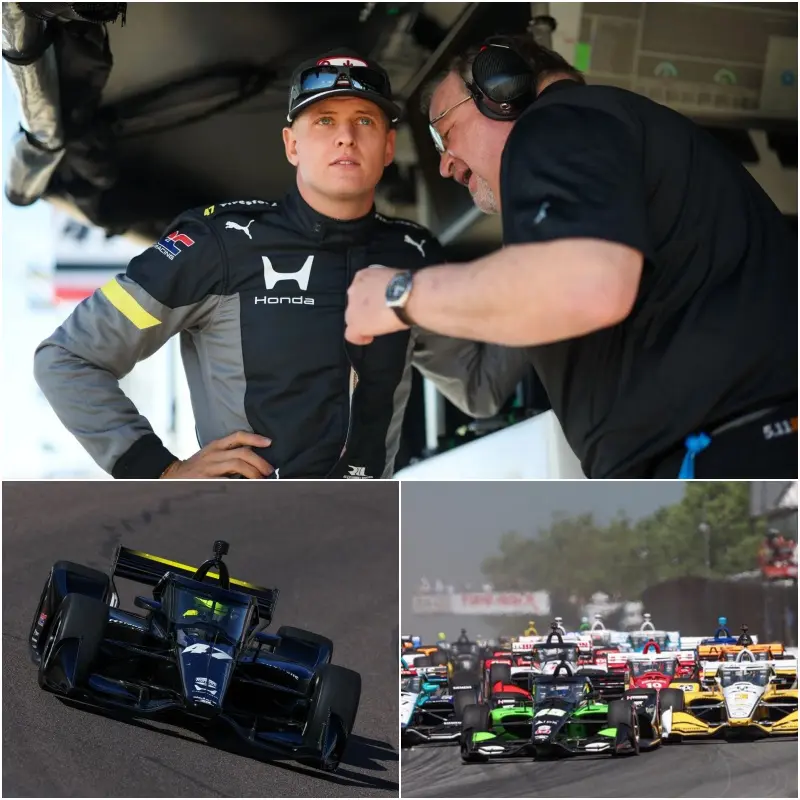
In a recent candid interview amid preparations for the upcoming NTT IndyCar Series season, Mick Schumacher made headlines by declaring his preference for the ultimate prize over individual accolades. “Honestly, I’d rather win the championship than the Rookie of the Year award,” the 26-year-old German driver stated emphatically. This statement underscores the unprecedented challenge he has embraced after officially rejecting the notion of being labeled a typical “rookie” in his debut full-time campaign with Rahal Letterman Lanigan Racing (RLL). Driving the No.
47 Honda—a number chosen as a symbolic tribute to his father, seven-time Formula One World Champion Michael Schumacher—Schumacher is approaching the 2026 season with the mindset of a seasoned contender rather than a newcomer.
The announcement of Schumacher’s move to IndyCar came in late November 2025, when RLL confirmed he would compete in the entire 17-race schedule. The partnership followed a promising test session at the Indianapolis Motor Speedway road course in the fall, where Schumacher quickly adapted to the machinery and impressed team officials. Team President Jay Frye described the decision as coming together “pretty quick,” highlighting the mutual confidence built during that initial evaluation. Joining established driver Graham Rahal and 2025 Rookie of the Year Louis Foster, Schumacher completes a lineup that blends experience, recent success, and high-profile potential.
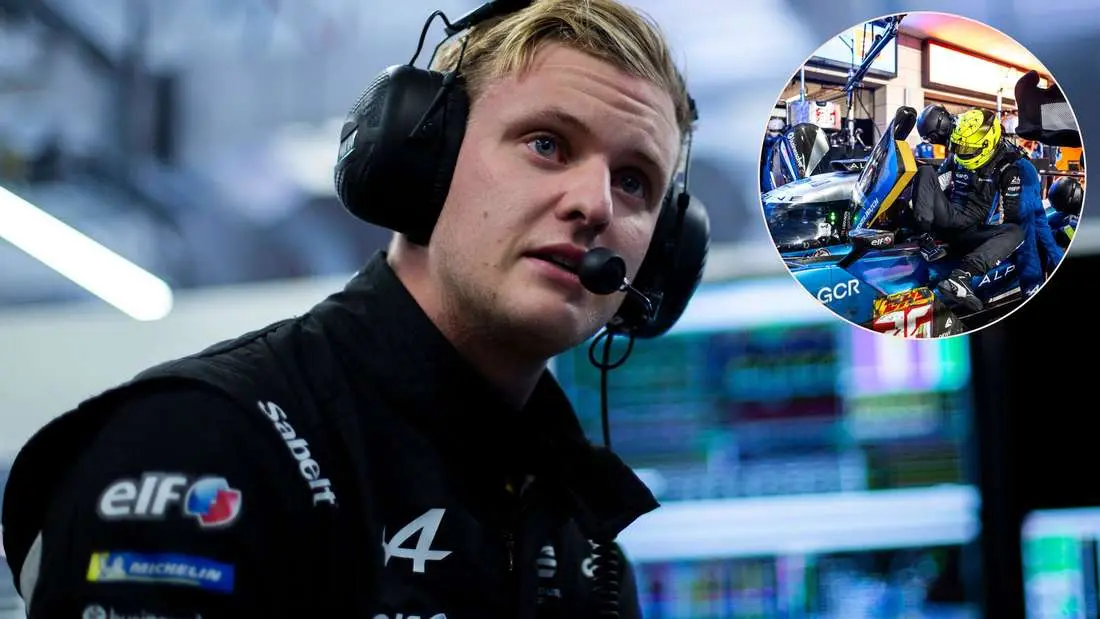
Schumacher’s reluctance to accept the rookie tag stems from his extensive racing background. With two seasons in Formula One under his belt at Haas, followed by stints in the World Endurance Championship—including a challenging Le Mans debut where he was also called a rookie—he views himself as far from a beginner. “I’ve been racing for so long now, and I’ve been called a rookie before at Le Mans in 2024 with Alpine. I didn’t like it,” he explained.
He emphasized a professional approach: “We’re here to do a job, and therefore I want to take it as a proper championship approach and not to take it as a rookie.” When pressed on whether Rookie of the Year recognition would suffice, his response was direct and ambitious: prioritizing the drivers’ championship over any category-specific honor.
This mindset sets Schumacher apart in a rookie class that includes Dennis Hauger at Dale Coyne Racing and Caio Collet at AJ Foyt Racing. While those drivers bring varying degrees of open-wheel and American racing experience, Schumacher arrives with Formula One pedigree, which carries both advantages and unique pressures. The transition to IndyCar presents distinct challenges, particularly the oval tracks that dominate much of the schedule. Unlike the road and street courses more familiar from his European career, ovals demand a different skill set—managing high-speed stability, traffic dynamics, and tire management over long runs without the frequent corners for recovery.
Schumacher has tackled this learning curve head-on through targeted testing. He completed his first oval outing at Homestead-Miami Speedway earlier in the offseason to gain initial approval for higher-speed ovals. This was followed by a significant two-day test at Phoenix Raceway in mid-February 2026, part of the Unser IndyCar Open Test. Logging 222 laps—the fifth-highest total among participants—he finished as the quickest rookie with a best lap of 171.096 mph, placing 18th overall. The sessions were invaluable for understanding nuances like throttle control to maintain control at speed and the importance of the second lane in traffic.
Teammates Rahal and Foster provided crucial guidance, helping him build confidence. “I’m learning a lot from Graham and Louis,” Schumacher noted. “We’re chipping away on our knowledge base and just building up whatever we need to know for the race weekend.”
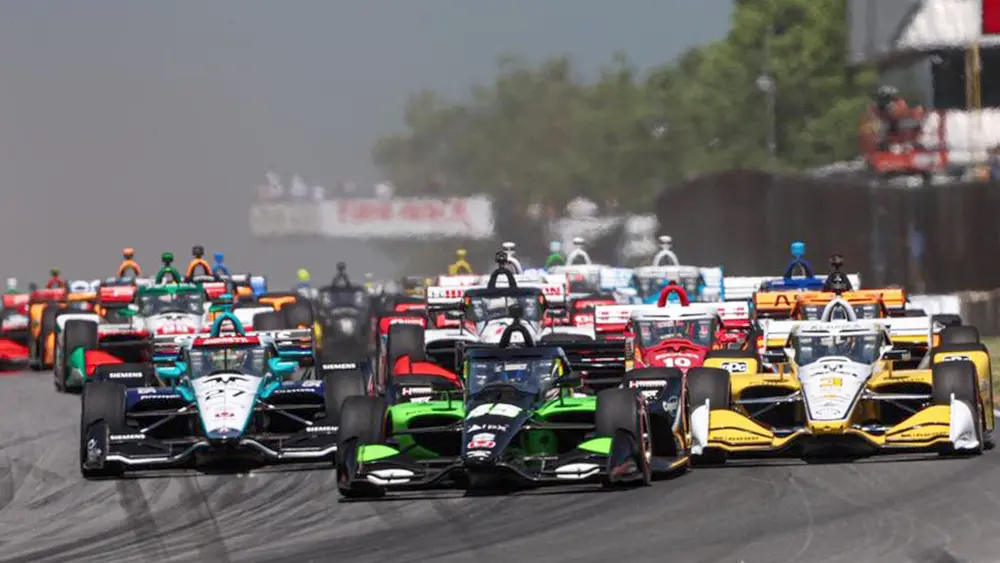
The 2026 season opener at the Streets of St. Petersburg on March 1 marks Schumacher’s official IndyCar debut, followed quickly by his first oval race at Phoenix on March 7. The calendar includes the iconic Indianapolis 500, where the pressure of legacy will be immense given his family name. While the Indy 500 looms large in public perception, Schumacher has downplayed any singular focus on it, stressing excitement for the full season and every event ahead.
RLL’s decision to bring in Schumacher reflects a strategic push for growth. The team has shown improvement in recent years, with Foster’s strong rookie campaign in 2025 providing momentum. Adding a driver of Schumacher’s caliber could elevate the program’s visibility, especially internationally, drawing more attention to IndyCar from European audiences. Sponsorship announcements are pending, but the No. 47 car’s symbolic significance adds an emotional layer to his efforts.
Winning the championship as a first-year driver would be extraordinary. Only a handful have achieved such dominance in their debut seasons historically, making Schumacher’s stated goal audacious yet reflective of his competitive fire. He approaches this chapter with realism about the challenges—adapting to new tracks, mastering ovals, and extracting performance from the Honda-powered package—but refuses to temper his expectations.
Schumacher’s journey represents more than a career pivot; it’s a statement of intent. By dismissing the rookie label and aiming straight for the top, he honors his racing heritage while forging his own path. As the green flag approaches for 2026, all eyes will be on whether this bold ambition translates into results on track. For now, Mick Schumacher has made clear his priorities: championship contention above all else, proving that legacy is not just inherited but actively pursued.