The 40th annual Chili Bowl Nationals, the premier event in midget car racing held at the Tulsa Expo Raceway in Oklahoma, has once again drawn massive attention from the motorsports world.
With over 400 entries competing across intense preliminary nights leading to the championship finale, the event stands as a grueling test of skill, courage, and passion on dirt.
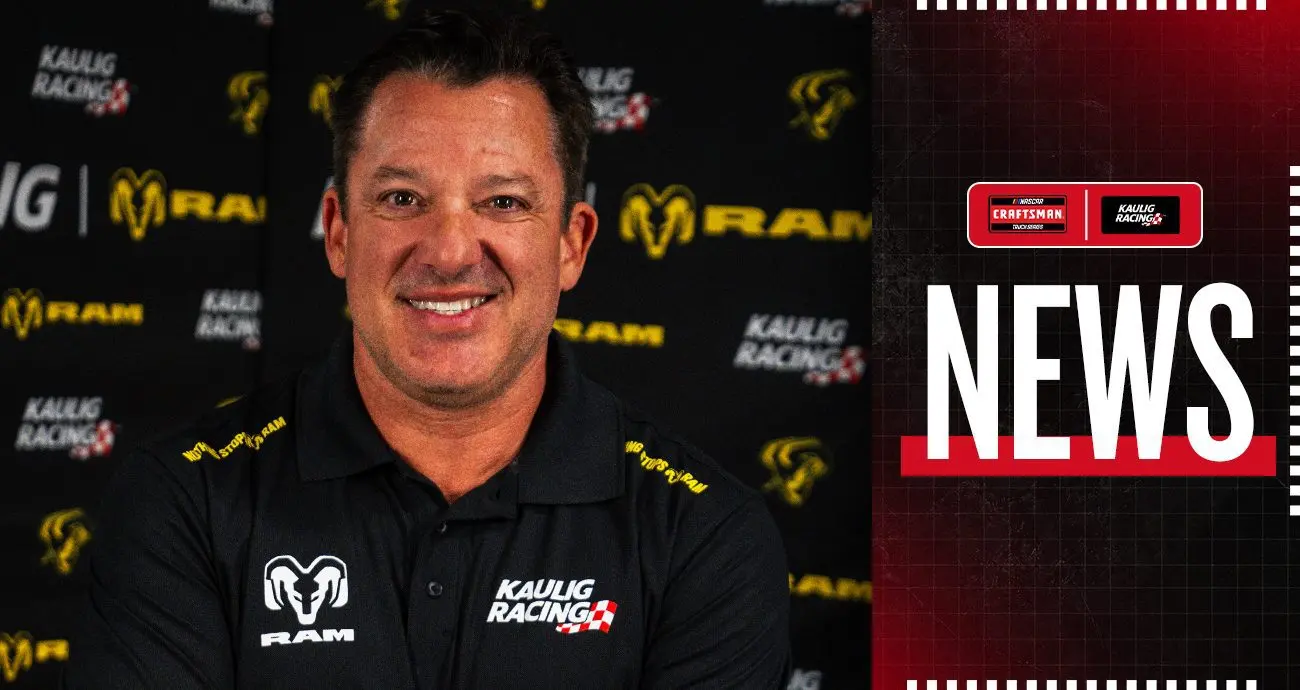
NASCAR legend Tony Stewart, a two-time winner of the Chili Bowl in 2002 and 2007, returned this year as Grand Marshal, bringing his storied reputation and candid opinions to the forefront.
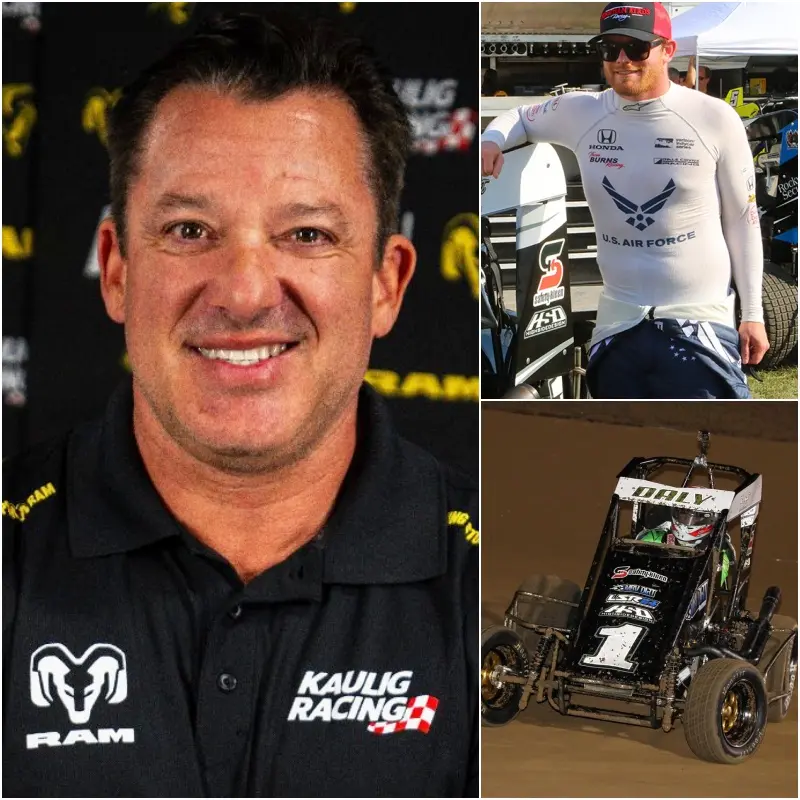
During a press conference kicking off the week’s festivities, Stewart was asked which current IndyCar drivers he would like to see compete in the Chili Bowl. His response was pointed and unfiltered. While praising Santino Ferrucci—currently racing in the event with Abacus Racing and driving full-time for A.J.
Foyt Racing in IndyCar—Stewart declared that Ferrucci stood alone among IndyCar competitors as the one with “the balls or the passion to do it.” He suggested that few others in the open-wheel series possessed the drive or willingness to tackle the unique challenges of indoor midget racing on dirt.
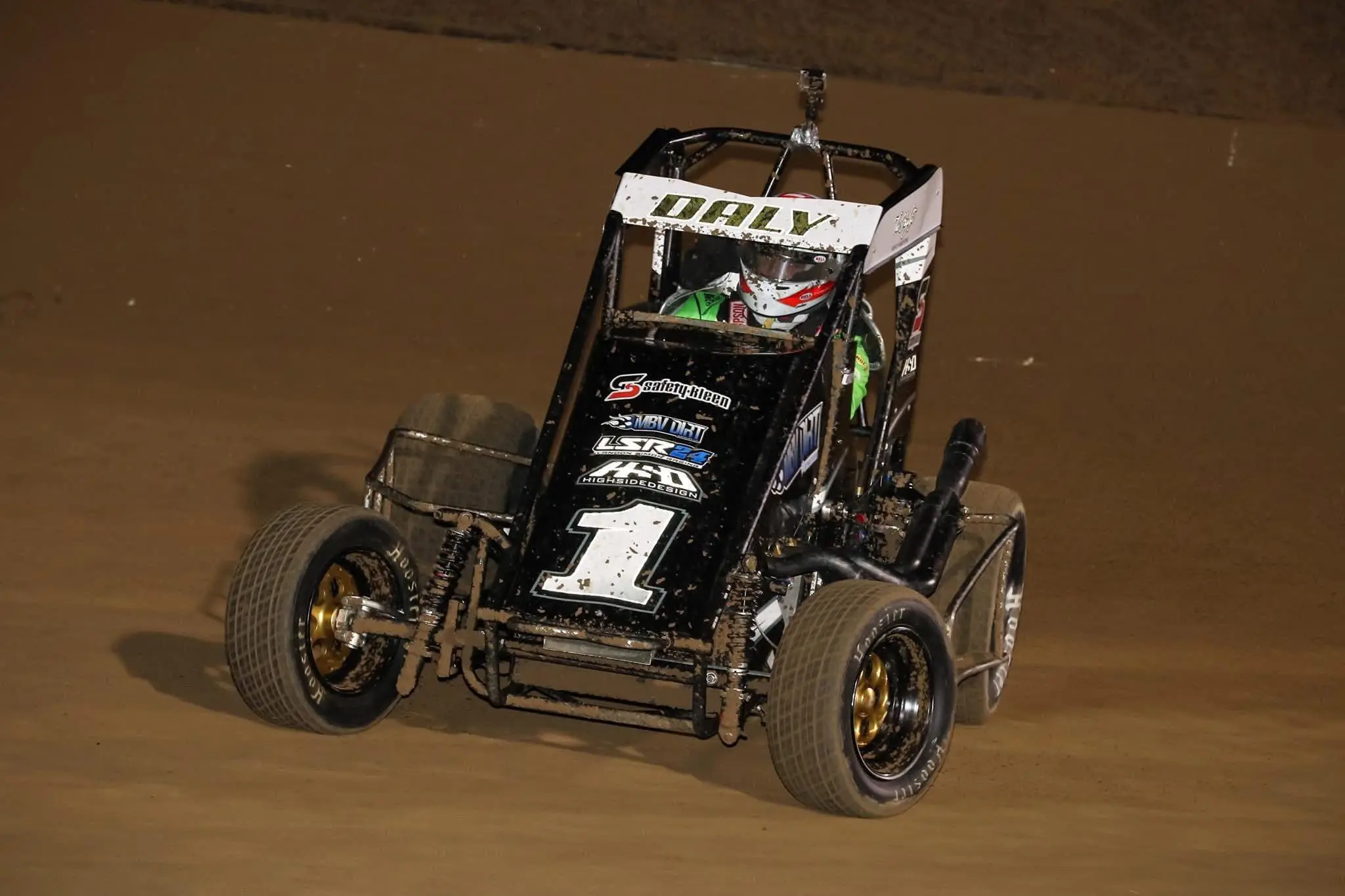
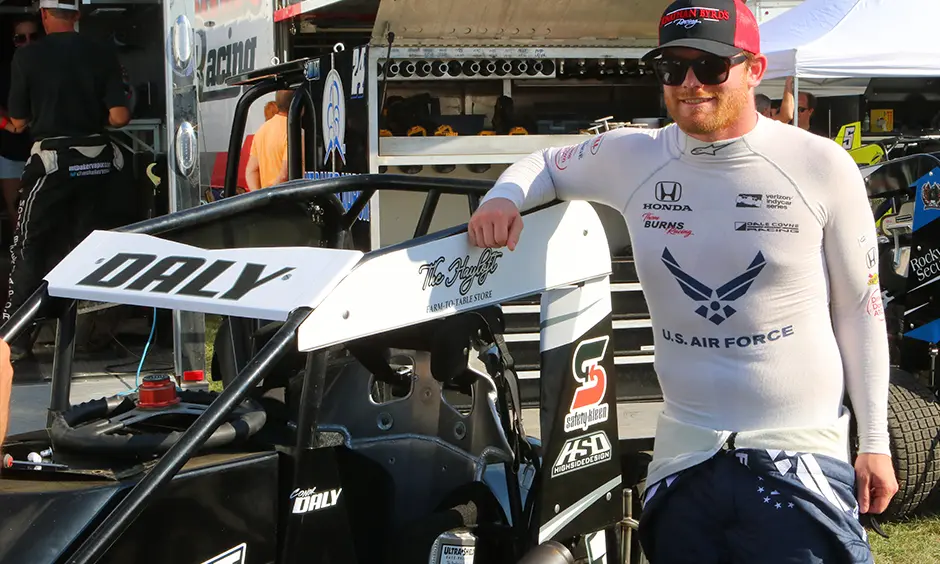
This comment sparked immediate discussion, particularly in light of past IndyCar participation in the Chili Bowl. The last full-time IndyCar driver to race there before Ferrucci’s current effort was Conor Daly, who made appearances in 2019, 2020, and most recently in 2022.
Daly, an Indiana-based veteran known for his versatility and fan engagement, had competed in the event three times, with his best result a ninth-place finish in the H-Main in 2020. Despite showing interest in dirt racing earlier in his career, Daly has since stepped away from the Chili Bowl.
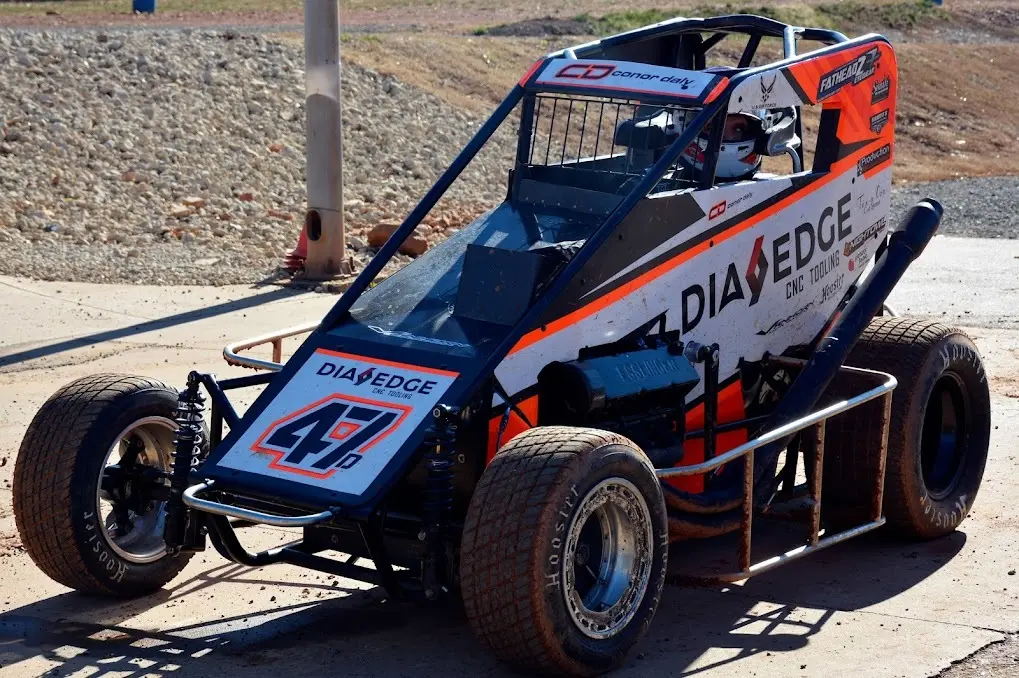
In response to fan speculation online following Stewart’s remarks—where one supporter expressed a desire to see Daly, along with others like Katherine Legge and Ed Carpenter return—Daly addressed the topic directly on social media.
He made it clear that he had no plans to come back, stating he had “retired from the Chili Bowl” and was content watching from afar. This declaration appeared to close the door on any immediate return for the popular driver.
Stewart’s blunt assessment did not name Daly explicitly in the initial quote, but the context of recent IndyCar involvement in the event made the implication evident to many observers.
The NASCAR icon’s words highlighted a perceived gap in commitment from some open-wheel stars to cross over into dirt racing’s most demanding arena. Stewart, who himself transitioned successfully between NASCAR, IndyCar (winning the 1997 title), and dirt disciplines, has long championed multi-discipline racing.
His own history includes not only Chili Bowl victories but also deep roots in sprint car and midget competition, giving his perspective added weight.
The Chili Bowl’s appeal lies in its raw intensity. Unlike the high-speed ovals of NASCAR or the road courses of IndyCar, the indoor dirt track demands precision in tight quarters, where mistakes are costly and recovery is limited.
Heat races, qualifiers, and mains unfold over a week of non-stop action, with drivers battling for every position in cars that reward aggressive yet controlled driving.
Stewart has previously compared it favorably to events like the Daytona 500, noting that in the Chili Bowl, “you can’t afford to make a mistake,” as the format offers little room for error compared to longer races where drivers can regroup.
This year’s edition, marking the 40th running, features a stacked field including multiple NASCAR champions like three-time defending winner Kyle Larson and Christopher Bell, both of whom have dominated recent Chili Bowls.
Their success underscores the crossover appeal that Stewart values—drivers willing to step outside their comfort zones and embrace the dirt. Ferrucci’s participation this year aligns with that ethos, as he balances his IndyCar commitments with the high-risk, high-reward world of midget racing.
Daly’s decision to step back comes at a time when his IndyCar career has seen ups and downs, including part-time and fill-in roles after stints with teams like Ed Carpenter Racing and others.
His earlier Chili Bowl runs demonstrated willingness to try new challenges, but the demands of preparation, travel, and competition may have shifted his priorities. Watching on television, as he mentioned, allows him to enjoy the spectacle without the physical and logistical toll.
Stewart’s comments, while sharp, reflect a broader philosophy in racing circles: true passion often shows through diversification and embracing tough venues. The Chili Bowl has produced legends precisely because it attracts those unafraid of failure in pursuit of victory.
For drivers like Ferrucci, who commit despite busy schedules, it offers a chance to build legacy beyond one series. For others, the risk may outweigh the reward, especially in an era where specialization and sponsorship demands can limit such adventures.
As the 2026 Chili Bowl progresses toward its climactic Saturday finale, the conversation sparked by Stewart’s remarks adds another layer to an already electric event. It reminds fans that motorsports thrives on rivalries, crossovers, and honest opinions from its icons.
Whether more IndyCar drivers follow Ferrucci’s lead remains to be seen, but Stewart’s call-out ensures the debate will continue long after the checkered flag falls in Tulsa.