NASCAR teams are heading into 2026 with a rules package that is genuinely different — not rumor, not “garage talk,” but confirmed technical changes that will reshape how cars drive, how setups are built, and how race weekends are planned.
The headline items are clear: more horsepower at key venues, a broader use of the short-track/road-course aero configuration, and a new safety mandate that will be visible on every car. Here’s what’s officially on the books. Official Site Of NASCAR+1
The biggest on-track change is the one fans have been demanding since the Next Gen era began: a target 750 horsepower for Cup Series races at road courses and oval tracks under 1.5 miles. That’s a notable jump from the current baseline of 670.
NASCAR has explained the goal is to put more emphasis on throttle control, increase the reward for tire management, and create more passing chances by widening the difference between “on-throttle” and “off-throttle” moments. Official Site Of NASCAR
Just as important: NASCAR has described how it plans to get there without turning the engines into fragile, expensive grenades.
Officials said the horsepower increase will be implemented primarily through a larger tapered spacer to improve airflow, and they framed 750 as a “comfortable” middle ground that avoids redesigning internal engine parts or severely cutting engine life.
NASCAR also signaled a cautious “crawl, walk, run” approach, leaving open the possibility of evaluating expansion later if reliability holds up. Official Site Of NASCAR
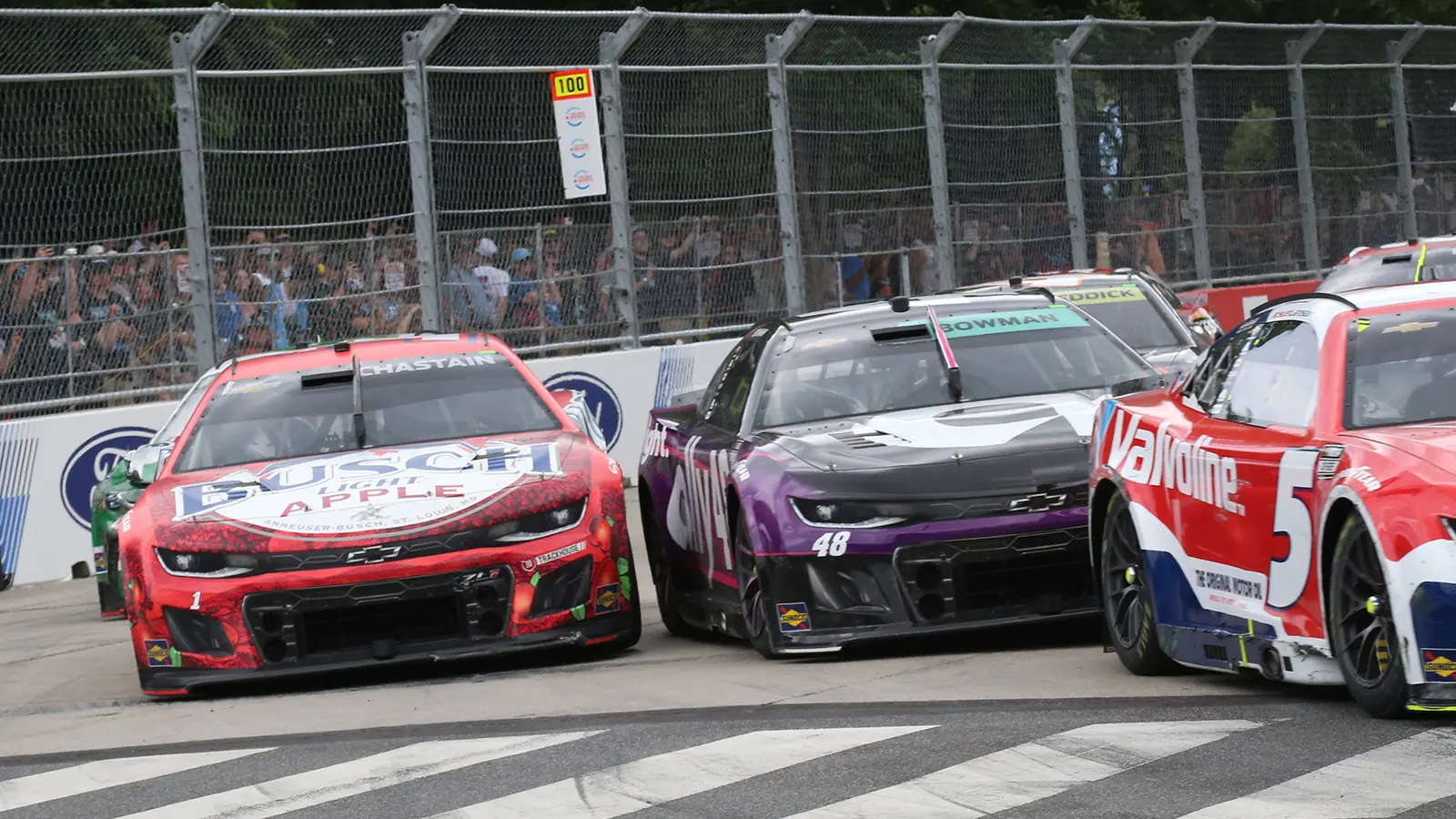
The horsepower bump doesn’t come alone — it’s tied to the aerodynamic rules that will be used at those venues. NASCAR confirmed that tracks in this 750-hp group will use the short-track/road-course rules package introduced in 2024, including a three-inch rear spoiler and fewer diffuser strakes than the intermediate configuration.
In practical team terms, that means recalculating balance and rear stability: you’re not just bolting on speed, you’re changing how the car behaves in traffic and on corner exit. Official Site Of NASCAR

One detail that matters for the weekly grind: five tracks are specifically moving from the intermediate-track rules configuration to the short-track/road-course package in 2026 — Bristol, Darlington, Dover, Nashville Superspeedway, and Gateway (World Wide Technology Raceway).
That’s a major planning shift because it forces teams to treat some familiar venues with a different “playbook” than the one they’ve leaned on in recent seasons. NASCAR and independent coverage both highlighted this list as a core part of the 2026 update. Official Site Of NASCAR+1
If horsepower is the fan-facing headline, the safety change is the “every lap, every track” headline. NASCAR has mandated A-post flaps for the Cup Series at every track starting in 2026.
The A-post area runs up the sides of the windshield, and the flap is designed to deploy along with roof flaps to reduce the chance of liftoff during spins. NASCAR notes these flaps were used more selectively before, but in 2026 they become standard equipment across the entire schedule.
Official Site Of NASCAR+1
There’s also a surprisingly specific wrinkle: NASCAR now requires the surface underneath the A-post flap to be bright orange, not just “high-visibility” or “contrasting.” That’s the kind of rule that sounds cosmetic until you remember why it exists: officials want clearer visual confirmation of deployment and compliance, and teams want no ambiguity during inspection.
It’s a small line in the rule book, but it’s a big signal of NASCAR tightening standardization around safety components. Official Site Of NASCAR+1
Another confirmed change affects the future of the sport more than the next restart: NASCAR created a new set of parameters for new manufacturer (OEM) testing across Cup, Xfinity, and Trucks.
The rules include a maximum of three tests, each limited to two consecutive days, capped at three affiliated organizations with two vehicles each, and required to be completed by March 1. Testing is also prohibited at repaved tracks, new-to-schedule tracks, or tracks hosting events within 60 days.
Official Site Of NASCAR+1
Motorsport.com highlighted the crucial definition behind that: an OEM can be considered “new” if it has not competed in the series during the previous five seasons. That matters because it clarifies who qualifies for these testing windows and what NASCAR considers a true re-entry versus a continuing program.
The same report notes this distinction is relevant in the broader industry discussion about potential manufacturers evaluating NASCAR, because it sets the formal framework they’d have to operate under. Motorsport
The practical impact for teams is simple: NASCAR is trying to avoid an arms race where a new manufacturer can overwhelm the ecosystem with unlimited private testing.
For existing organizations, it also signals that NASCAR wants OEM growth — but under cost-controlled rules that keep competition from being “bought” in the preseason.
From a competitive standpoint, these limits force sharper collaboration: you’ll only get so many test days, so your data collection, simulation correlation, and driver feedback loops have to be efficient and clean. RACER+1
Beyond aero, power, and OEM testing, the 2026 rule updates also include mechanical-process language that teams will care about on a chaotic weekend — including backup engine procedures.
Motorsport.com reported that NASCAR updated its procedure so that backup engines must be declared to NASCAR prior to the start of the event, with maximum backup-engine counts tied to how many teams an engine builder supplies, and with teams sharing the same declared roster.
The same report describes inspection and sealing requirements if a backup engine is installed later. Motorsport
Now for the “secret” detail hiding in plain sight — the part that explains why so many of these updates hit the public when they did.
Motorsport.com reported the rules update was released even though it was not considered final, because the charter agreement mandates November 15 as the deadline to get a rule book into teams’ hands.
That means timing wasn’t just a communications choice; it was a contractual planning deadline that forces earlier disclosure so teams can budget, design parts, and schedule preparation. Motorsport
Finally, don’t miss what NASCAR itself is telegraphing next: officials have said they expect to release additional sporting rules and procedures updates in January. That’s important because “sporting rules” can touch everything from officiating procedures to weekend formats and enforcement clarifications.
In other words, the November technical package is not necessarily the end of the story — it’s the foundation teams are building on while waiting for more operational detail. Official Site Of NASCAR+1
Put it all together and the 2026 NASCAR landscape looks sharper, louder, and more tightly managed behind the curtain.
The horsepower increase aims to make driving matter more, the aero shifts change how certain tracks will race, the A-post flap mandate standardizes safety, and the OEM/testing rules quietly shape the sport’s future growth.
And the real insider twist? The schedule of rule announcements is driven as much by charter-era deadlines as it is by competitive headlines. Official Site Of NASCAR+1