The recent controversy surrounding the Pro Football Hall of Fame has ignited fierce debate across the NFL community, with former Philadelphia Eagles center Jason Kelce emerging as one of the most vocal critics. In a stunning development for the Class of 2026, legendary New England Patriots head coach Bill Belichick fell short of the required votes for first-ballot induction, despite his unparalleled resume of six Super Bowl titles as a head coach and a record that many consider the greatest in league history.
The decision has sparked outrage, with accusations flying that Patriots owner Robert Kraft and other influential figures may have played a role in undermining Belichick’s candidacy—prompting Kelce to label the situation as “broken,” claim the system has been influenced and even corrupted, and call out what he sees as unfair meddling by team owners.
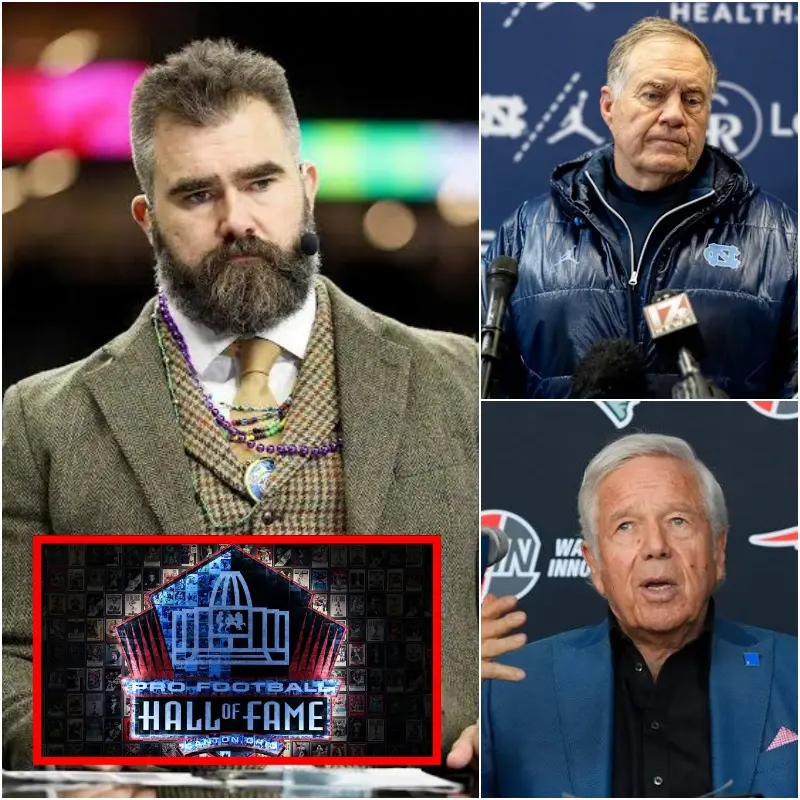
Kelce, who retired after a stellar career and has since become a prominent media voice, expressed his frustration bluntly in recent interviews. He described the Hall of Fame process as fundamentally flawed, suggesting that past controversies like Spygate—where the Patriots were caught videotaping opponents’ signals in 2007—have been weaponized disproportionately against Belichick. “Many coaches have tried stealing game plans,” Kelce argued, pointing out that sign-stealing and competitive edges are part of football’s long history.
He emphasized that if a team’s signals are vulnerable enough to be deciphered or recorded, the fault lies with the team failing to protect them, not solely with the aggressor. In Kelce’s view, holding Spygate against Belichick decades later represents an unjust “penance” that ignores the coach’s broader achievements and the evolution of league rules.
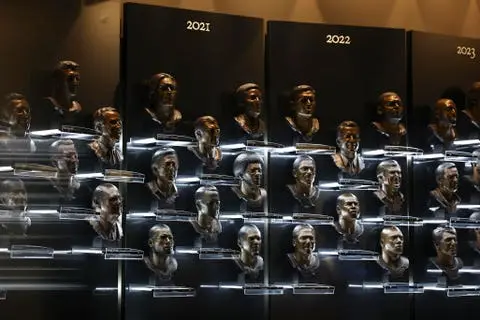
The espionage reference ties directly back to Spygate, the infamous scandal that has lingered over the Patriots’ dynasty like a shadow. In 2007, the team was fined heavily, and Belichick personally penalized $500,000 after NFL security caught a Patriots videographer filming the New York Jets’ defensive signals from the sideline. Commissioner Roger Goodell ordered the destruction of the tapes, a move that fueled speculation about the full extent of the operation.
While the Patriots maintained it was an isolated incident related to in-game adjustments, critics have long alleged a more systematic approach to gaining advantages, including rumors of advanced scouting tactics bordering on espionage. Although no direct evidence has resurfaced linking Robert Kraft personally to ongoing spying efforts, the scandal’s legacy has been cited by some Hall of Fame voters as a reason to delay or deny Belichick’s enshrinement.
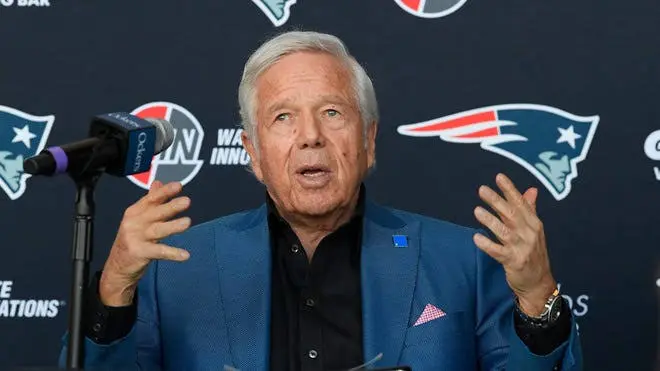
Adding fuel to the fire, reports indicate that Belichick received fewer than the necessary 40 out of 50 votes from the selection committee, leaving him “puzzled” and “disappointed.” The process allows voters—primarily media members and former players—to select up to three from a group of finalists, which this year included Belichick as a coach nominee alongside Kraft as a contributor. Some speculate that votes were split or withheld due to lingering resentment over the Patriots’ success, perceived arrogance during their dominant era, or even personal grudges.
Kelce has gone further, implying that the system’s opacity allows for undue influence from powerful owners like Kraft, who has publicly supported Belichick’s candidacy while reportedly maintaining a strained relationship with the former coach in recent years.
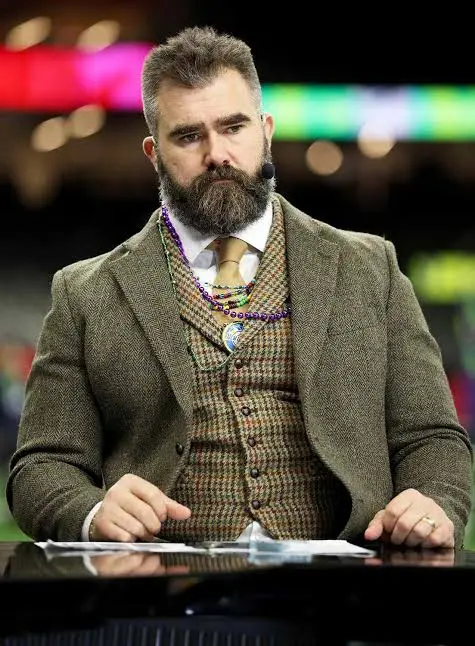
Kelce’s outrage has resonated widely, particularly among those who view Belichick’s exclusion as an affront to meritocracy in sports. He has suggested that the Hall has become “broken,” tainted by politics, favoritism, and perhaps financial or reputational considerations. In one pointed commentary, Kelce accused the process of being swayed by figures who “received money” or benefited from the status quo, a cryptic jab that some interpret as referencing Kraft’s immense wealth and influence within the NFL.
Kraft, the Patriots’ owner since 1994, has built the franchise into one of the league’s most valuable and successful, but his role in Hall deliberations—either direct or perceived—has drawn scrutiny. While Kraft issued a statement affirming that Belichick “unequivocally deserves” first-ballot status, the optics of an owner finalist competing in the same class have raised eyebrows about potential conflicts.
The backlash has escalated to calls for boycotts. Prominent voices, including media personalities, have urged fans to shun the Hall of Fame induction ceremony or even distance themselves from the New England Patriots organization until greater transparency is achieved. Social media has amplified these sentiments, with hashtags and threads labeling the decision a “joke” and demanding accountability from the Hall’s bylaws committee. Some argue that if voters violated protocols—such as improperly sharing deliberations or allowing bias to override qualifications—punitive measures, including removal from the panel, should follow.
The Hall of Fame itself released a statement reinforcing the integrity of its process while warning that any confirmed breaches would lead to action.
For Kelce, a Super Bowl champion who faced the Patriots multiple times—including in high-stakes playoff battles—this isn’t just about one coach’s legacy. It’s about fairness in a league where rivalries run deep and success often breeds envy. By framing the scandal as espionage-tainted and influenced by ownership power plays, Kelce has positioned himself as a defender of competitive integrity against what he sees as institutional overreach. His comments have sparked broader discussions about how past infractions should weigh on Hall candidacies, whether Spygate’s penalties were sufficient, and if the voting system needs reform to prevent future controversies.
As the NFL offseason unfolds, with Belichick now coaching at the University of North Carolina and the Patriots rebuilding under new leadership, the Hall of Fame snub remains a sore point. Belichick will be eligible again next year, but the damage to the institution’s credibility may linger longer. Kelce’s outspoken stance has turned a procedural disappointment into a rallying cry, highlighting fractures in the sport’s highest honors.
Whether this leads to real change or fades into another chapter of NFL drama remains to be seen, but for now, the debate rages on, with Jason Kelce leading the charge against what he views as a fundamentally compromised process.