In a bold fusion of high-stakes horse racing tradition and contemporary streetwear flair, leading figures from the equestrian world have partnered with bookmaker Paddy Power to launch a limited-edition sportswear collection timed to coincide with the Cheltenham Festival. The initiative, unveiled just ahead of the prestigious jumps racing event, draws direct inspiration from the iconic silks worn by jockeys, transforming classic racing motifs into eye-catching tracksuits and related apparel.
This collaboration has unexpectedly sparked broader discussions within the sport, prompting the International Federation of Horseracing Authorities (IFHA) to announce stricter guidelines on emerging “smart” helmets and advanced protective equipment—changes that have ignited debate over rider safety versus practicality.
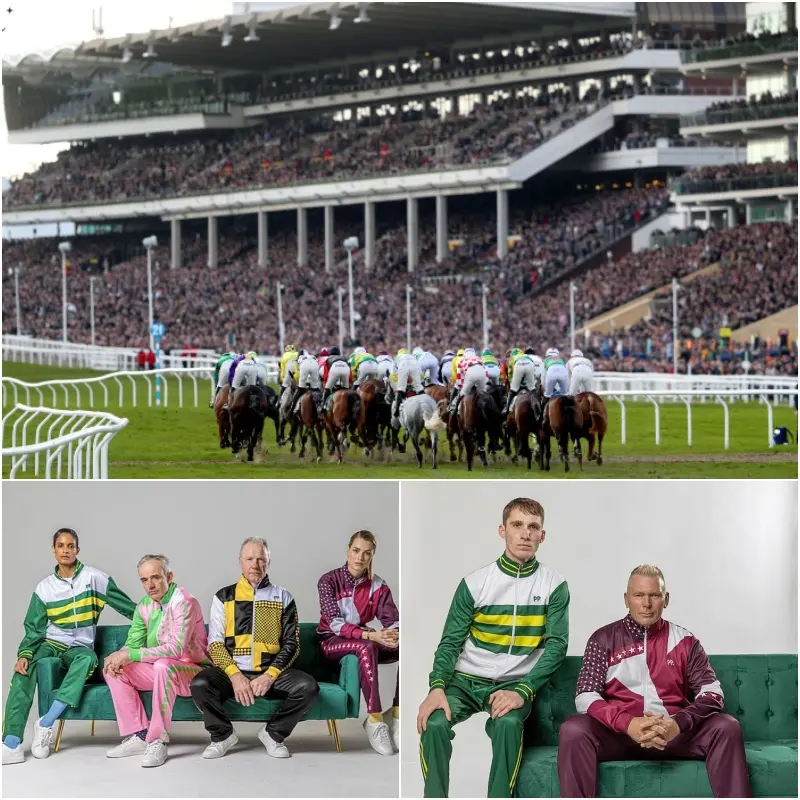
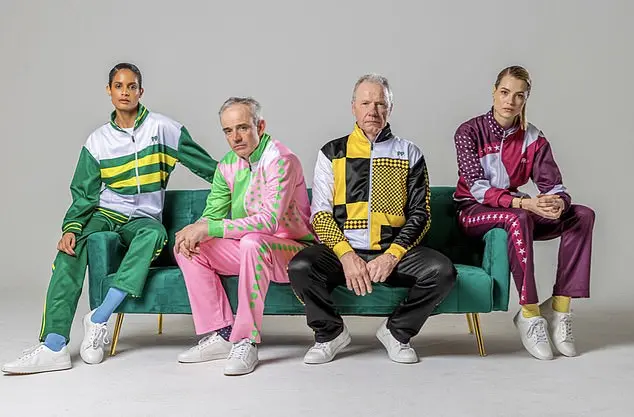
The collection, known as The PP Collection, features four distinctive designs crafted in collaboration with top jump jockey Harry Cobden. Each piece reinterprets famous jockey silks—those vibrant, patterned jackets that identify riders and owners on the track—into modern athletic wear. Emerald greens, bold checks, and striking color blocks echo the heritage of racing while appealing to a younger, fashion-forward audience. Paddy Power positioned the launch as a celebratory nod to the Cheltenham Festival, often dubbed the pinnacle of National Hunt racing, where crowds gather for four days of elite competition, fashion, and spectacle.
Limited to just 100 pieces initially—with 50 dropping at the Festival’s start and another 50 contingent on Cobden’s success—the items sold out rapidly online, underscoring the buzz surrounding the tie-up.
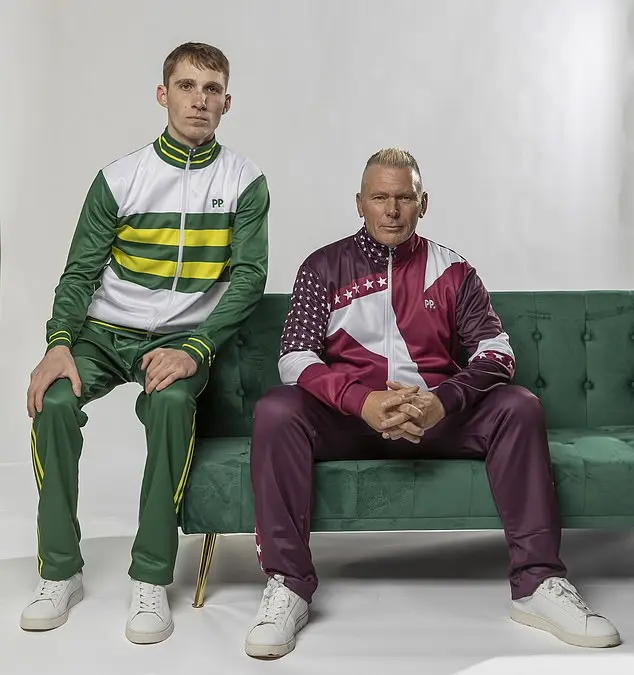
Paddy Power has long been synonymous with Cheltenham, sponsoring elements of the meeting and producing preview content featuring experts like Ruby Walsh. This sportswear venture represents a creative extension of that relationship, blending the bookmaker’s irreverent marketing style with genuine equestrian roots. Cobden, a prominent rider with multiple Festival victories, lent his insight to ensure the designs captured the essence of racing attire without losing authenticity. Fans and commentators praised the move as a fresh way to engage casual followers, bridging the gap between the traditional tweed-and-wellies crowd at Prestbury Park and urban sportswear enthusiasts.
Yet the collection’s timing and visibility have coincided with—and perhaps amplified—regulatory shifts in rider protection. The IFHA, which coordinates international horseracing standards, recently outlined enhanced requirements for next-generation helmets incorporating “smart” technology, such as impact sensors, integrated communication systems, or advanced concussion-monitoring features. These innovations promise real-time data on head injuries, potentially alerting medical teams instantly during falls. However, the federation’s decision to impose tighter certification protocols, including mandatory compliance with updated oblique impact testing and rotational force criteria, has drawn mixed reactions.
Proponents argue that the changes are overdue. Equestrian sports carry inherent risks, with falls often resulting in concussions or more severe trauma. Recent advancements in helmet design—drawing from research in other high-impact fields like American football—have shown that incorporating multi-directional impact protection systems (MIPS) and better energy-absorption materials can significantly reduce brain strain. The IFHA’s push aligns with similar evolutions in bodies like the FEI (Fédération Equestre Internationale), which has phased in stricter standards for eventing and show jumping helmets from 2026 onward.
Advocates point to data indicating that rotational forces, rather than just linear impacts, contribute heavily to concussions in riding accidents. By mandating gear that addresses these dynamics, the federation aims to elevate safety across flat and jumps racing globally.
Critics, including some veteran riders and trainers, contend that the regulations introduce unnecessary complications. Smart helmets, while innovative, can add weight, reduce ventilation, or feel bulkier—factors that matter enormously during intense races where split-second comfort and visibility influence performance. Concerns have surfaced about cost, with cutting-edge models carrying premium price tags that burden professional and amateur riders alike. There’s also apprehension that over-reliance on technology might distract from core skills or create disparities between those who can afford top-tier equipment and those who cannot.
At Cheltenham, where conditions can turn muddy and chaotic, detractors worry that bulkier gear could hinder quick movements or increase fatigue over long days.
The controversy intensified following high-profile incidents in recent seasons, including notable falls that highlighted gaps in current protections. While no direct link exists between the Paddy Power collection and the IFHA’s announcement, the sportswear’s emphasis on stylish, heritage-inspired equestrian outfits has thrown a spotlight on rider apparel and gear more broadly. Fashion at Cheltenham has always been a sideshow to the racing—think bold hats, tailored tweeds, and increasingly, athleisure influences—but this collaboration subtly underscores how protective elements are evolving from purely functional to something that blends safety with self-expression.
As the Festival unfolds, eyes remain on both the track and the broader implications. The PP Collection’s success signals growing commercial interest in equestrian culture beyond the stables, while the IFHA’s regulatory tightening reflects an industry grappling with modernization. Balancing innovation in protection with the sport’s demands for agility and tradition will likely remain a key tension. For now, riders, fans, and regulators alike await how these developments play out—on the turf and in the conversations that follow.