BREAKING NEWS: MLB star faces 162-game ban and $15 million loss in salary after testing positive for performance-enhancing drugs again, a shocking development.
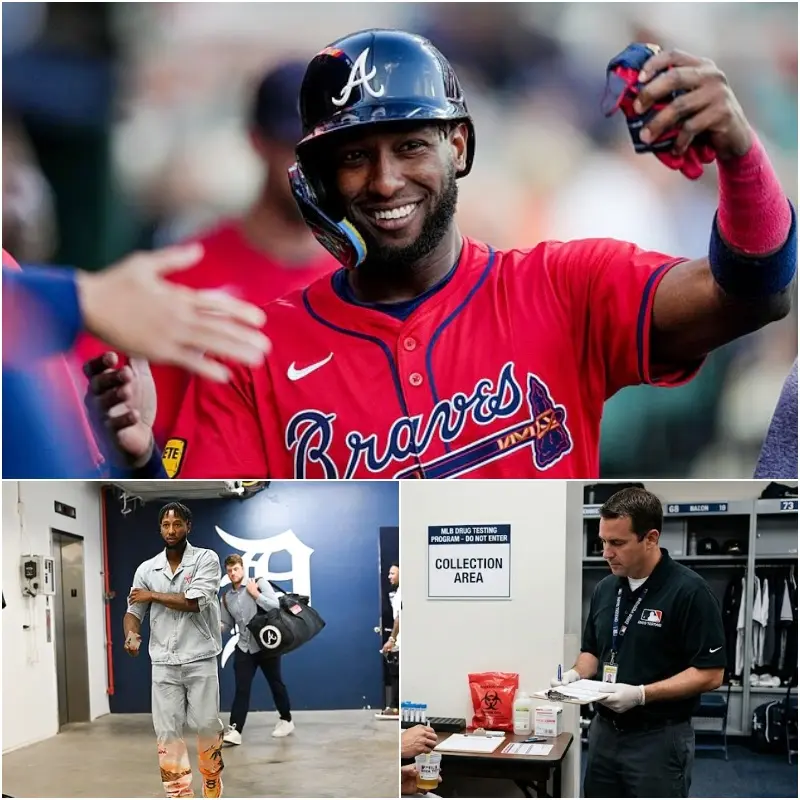
In a stunning development that has sent shockwaves through Major League Baseball, Atlanta Braves designated hitter and outfielder Jurickson Profar has been suspended for 162 games following a second positive test for a performance-enhancing drug. The league announced the penalty on Tuesday, March 3, 2026, with the suspension set to take effect on Friday. This full-season ban, equivalent to the entire 2026 regular season, comes less than a year after Profar served an 80-game suspension for his first violation, marking one of the most severe punishments under MLB’s current drug policy.
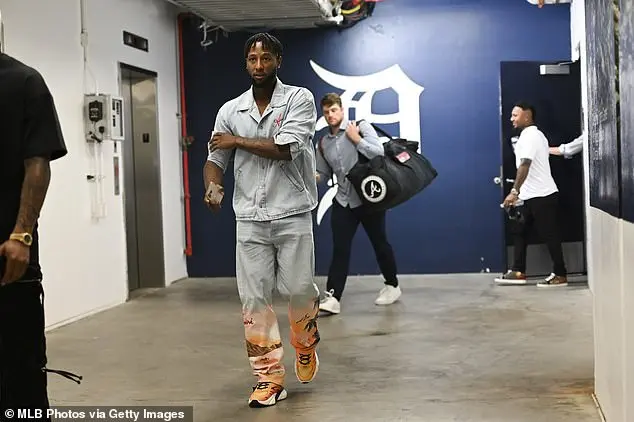
Profar, 33, tested positive for exogenous testosterone and its metabolites, a banned substance that artificially boosts hormone levels to enhance muscle growth, strength, and recovery. According to MLB’s statement, the violation breaches the Joint Drug Prevention and Treatment Program, which has maintained strict penalties for repeat offenders since enhancements were made in 2014. Under the program, a first offense carries an 80-game unpaid suspension, while a second results in an automatic 162-game ban, stripping the player of pay and postseason eligibility. A third positive test would trigger a lifetime ban.
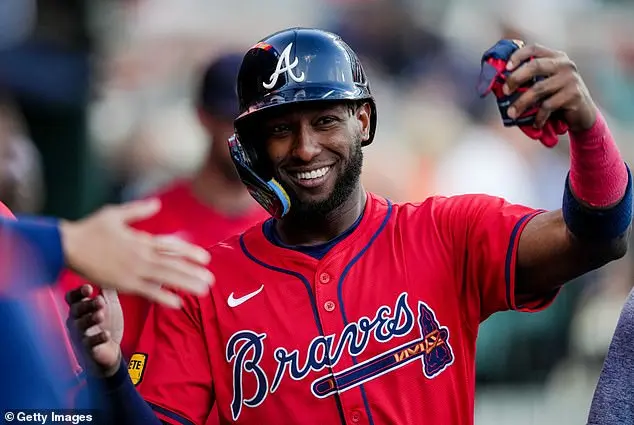
The timing could not be worse for the Braves. Profar signed a three-year, $42 million contract with Atlanta prior to the 2025 season, which included a $15 million salary for 2026. With this suspension, he will forfeit that entire amount, representing a massive financial hit and leaving the club without one of its anticipated key contributors. Profar, a 2024 All-Star during his time with the San Diego Padres, was expected to provide significant power and versatility in Atlanta’s lineup, particularly as a designated hitter and occasional outfielder.
His absence for the full season forces the Braves to scramble for replacements just weeks before Opening Day.
This marks Profar’s second brush with the league’s drug policy in quick succession. On March 31, 2025, shortly after the start of that season, he was suspended for 80 games after testing positive for human chorionic gonadotropin (hCG), a hormone that can stimulate testosterone production in males. That earlier infraction caused him to miss roughly half the 2025 campaign, during which he appeared in only about 80 games and posted a .245 batting average.
The Braves missed the playoffs that year for the first time in several seasons, and Profar’s limited participation was cited by some observers as a contributing factor to their offensive struggles.
The repeat nature of the offense has amplified the fallout. Profar becomes just the sixth player to receive a 162-game PED suspension since the penalty was stiffened for second-time violators in 2014. Previous recipients include high-profile names like Robinson Canó (New York Mets, 2020, for Stanozolol), who missed the entire 2021 season, and others such as Jenrry Mejía, Marlon Byrd, Francis Martes, and J.C. Mejía. Canó’s case drew particular attention due to his star status and the financial implications, much like Profar’s situation now. Notably, Mejía later became the only player banned for life after a third violation.
Reactions from around the league have been swift and largely critical. The Atlanta Braves issued a statement expressing disappointment while reaffirming their support for the Joint Drug Prevention and Treatment Program. “The Atlanta Braves fully support MLB’s efforts to maintain the integrity of the game,” the team said. Sources indicate that the MLB Players Association is pursuing an appeal on Profar’s behalf, though the automatic nature of the penalty for repeat offenses makes a successful challenge difficult.
Profar, a native of Curaçao, had been slated to represent the Netherlands in the upcoming World Baseball Classic, but the suspension renders him ineligible for that international tournament as well as any postseason play should the Braves qualify in 2026. His career trajectory, once promising after a breakout All-Star year in 2024 where he showcased consistent power and plate discipline, now faces serious uncertainty. At 33, returning after a full year away could prove challenging, especially given the stigma attached to multiple PED violations.
This incident underscores MLB’s ongoing commitment to combating performance-enhancing substances. While overall PED suspensions have trended downward in recent years— with only a handful in the past few seasons—the league continues random testing year-round, including during the offseason. The policy’s escalating penalties aim to deter repeat use, and Profar’s case serves as a stark reminder of the consequences. Commissioner Rob Manfred has repeatedly emphasized that protecting the game’s fairness remains a top priority, and this latest high-profile suspension reinforces that stance.
For the Braves, the news compounds existing challenges as they prepare for the 2026 season. The team, known for its strong core of young talent and veteran leadership, must now adjust lineups, explore free-agent or trade options, and hope that depth can cover the void left by Profar’s absence. Fans in Atlanta and across baseball are left grappling with the disappointment of seeing a talented player derail his own career and impact his team’s fortunes.
As the appeal process unfolds and spring training approaches, the Profar saga will remain a dominant storyline. It highlights the persistent tension between personal accountability, competitive pressures, and the league’s zero-tolerance approach to doping. In an era where advanced testing and education programs coexist with occasional high-stakes violations, cases like this continue to test the boundaries of trust in professional sports.