Mick Schumacher admits his IndyCar racing experience has proven European misconceptions about racing on oval tracks to be wrong, especially since drivers don’t need to release the accelerator on some corners.
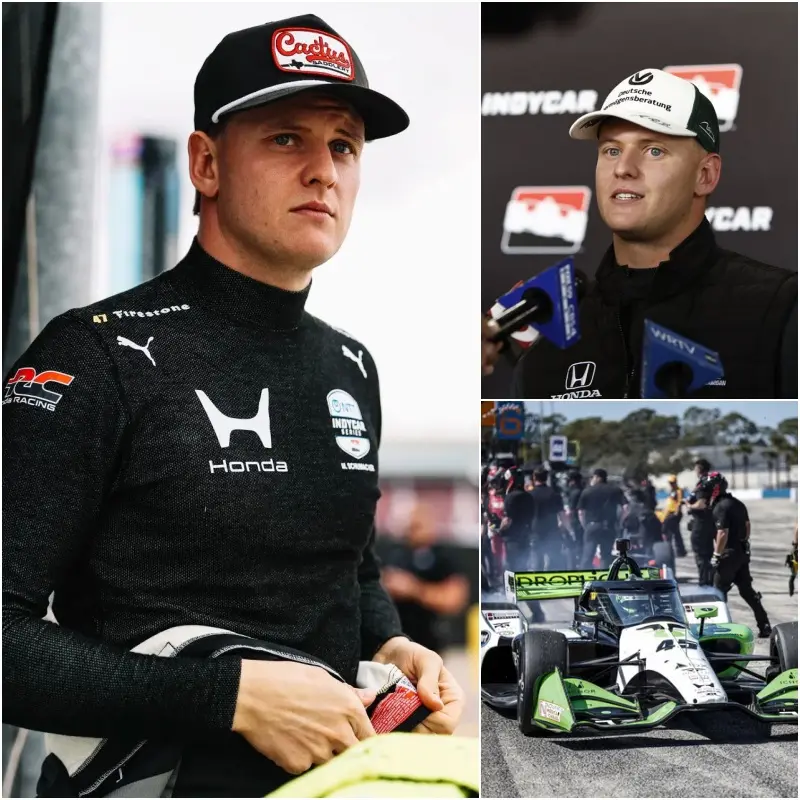
In a significant shift from his Formula 1 background, Mick Schumacher has openly challenged long-held European views on oval racing following his initial tests in IndyCar machinery. The German driver, now a rookie with Rahal Letterman Lanigan Racing (RLL) in the 2026 NTT IndyCar Series, completed his first oval laps at Homestead-Miami Speedway in early February and followed up with additional running at Phoenix Raceway. His comments mark a clear departure from the skepticism often expressed by European racers toward the high-speed, high-commitment nature of oval competition.
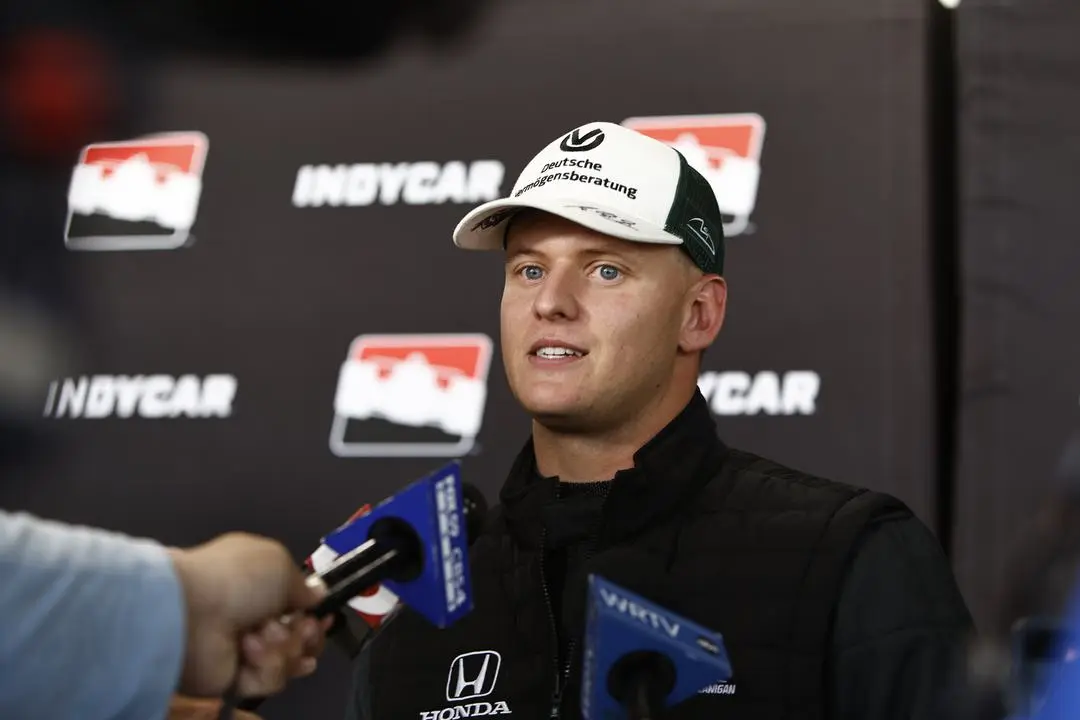
Schumacher, the son of seven-time Formula 1 world champion Michael Schumacher, transitioned to IndyCar after stints in F1 with Haas and Alpine’s World Endurance Championship program. His move to the American open-wheel series represents a bold step into uncharted territory, particularly the ovals that form a core part of the IndyCar calendar. For decades, many drivers from Europe have viewed ovals with caution or outright avoidance, often citing perceived dangers, a lack of technical variety, or the relentless demands of constant high-speed running without traditional braking zones.
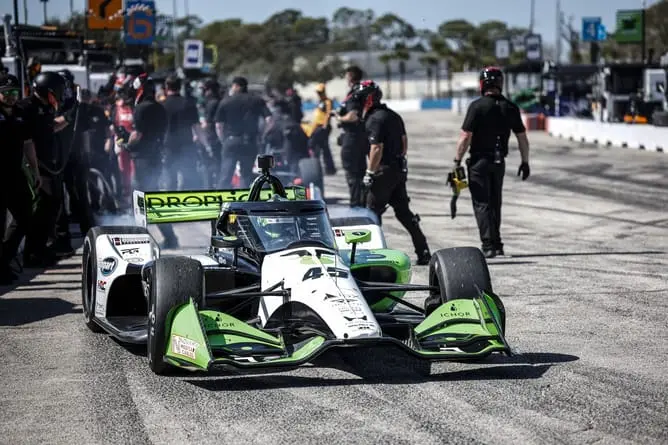
Yet Schumacher’s firsthand experience has flipped that narrative. After logging 97 laps at the 1.5-mile Homestead-Miami Speedway, he described the reality as markedly different from expectations shaped by European racing culture. One of the most striking revelations came in the approach to corners. In road and street courses familiar to European drivers, braking is a fundamental part of setup and strategy. On certain ovals, however, particularly those with well-designed banking and modern aerodynamics, drivers can maintain throttle application through turns, bleeding speed subtly rather than lifting fully off the accelerator.
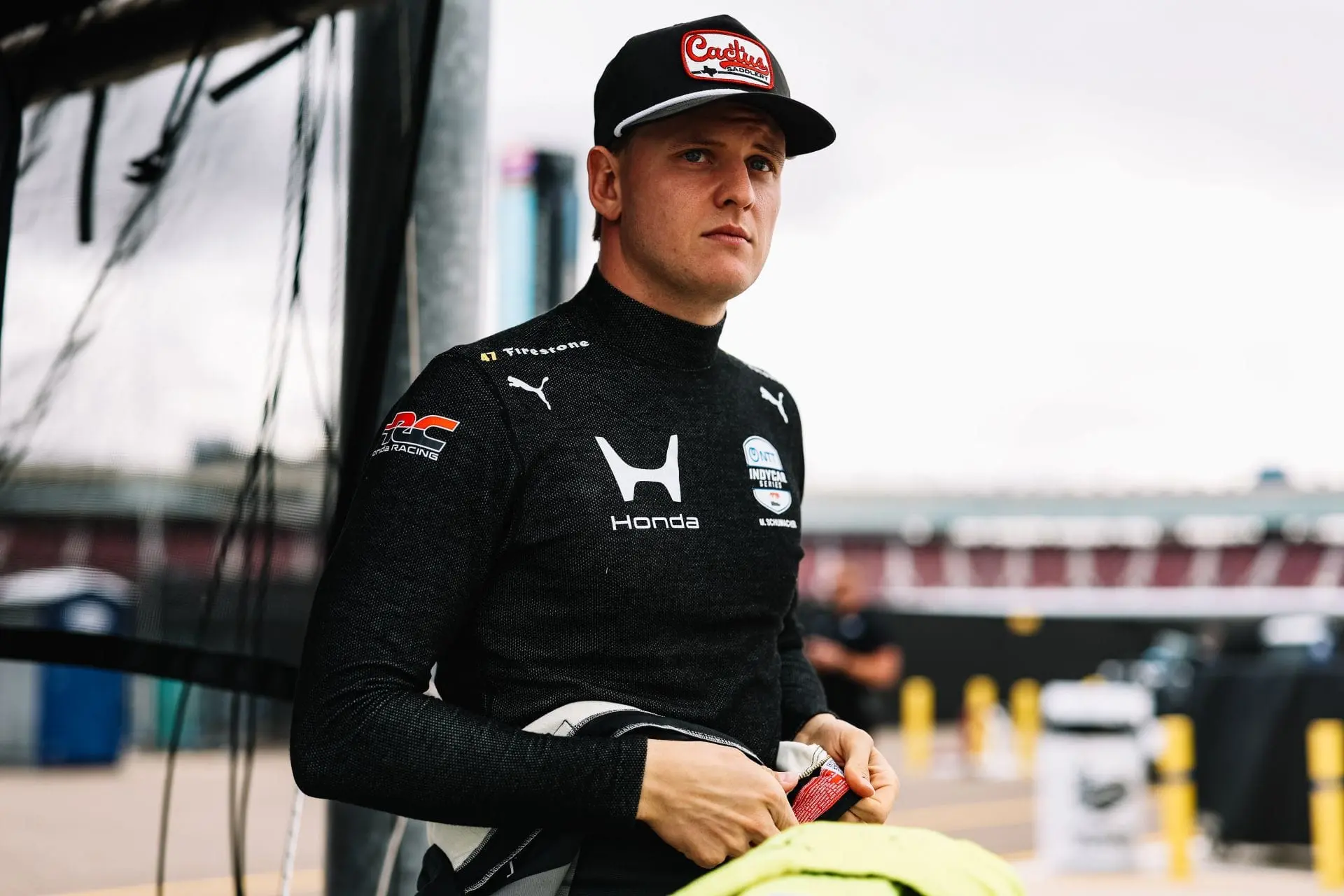
This aspect stood out immediately to Schumacher. He noted that entering corners flat out or near flat, without the instinctive brake application he grew up with, felt initially “weird” and required adjustment. The conservative setups used during his debut test amplified this sensation, as the car wasn’t yet dialed in for maximum performance. Still, he quickly adapted, gaining confidence as he understood the nuances of how the IndyCar behaves under sustained throttle load.
“Approaching the corner and still being pretty much flat out going into the corner without braking, and then bleeding off as you go into it, is something I had to get used to,” he explained in post-test reflections.
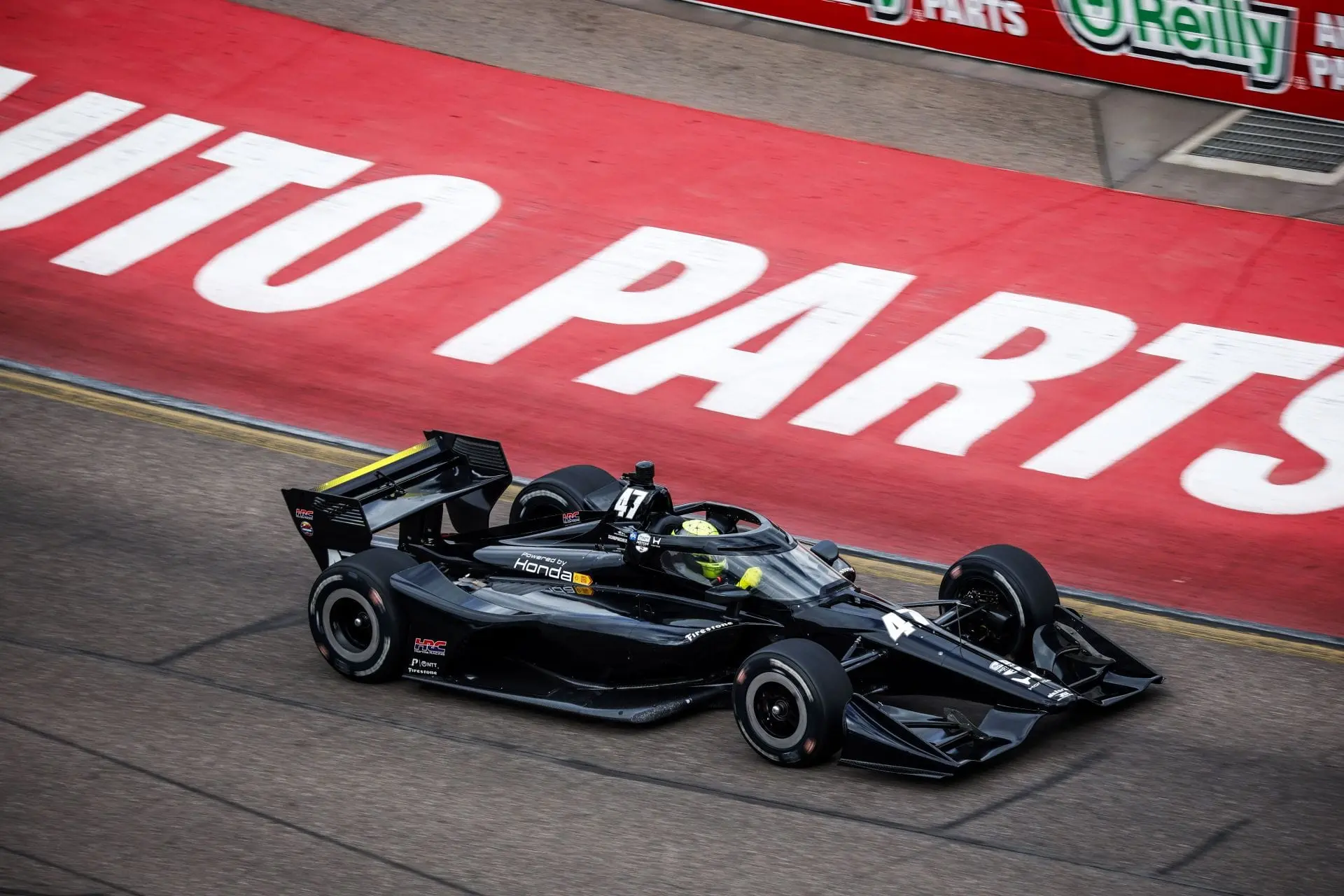
Schumacher also addressed broader misconceptions prevalent in Europe. He pointed out that ovals are often stereotyped as uniform, high-risk circuits where little changes from one to another. In reality, each track presents unique challenges—different banking angles, corner radii, surface characteristics, and wind effects—that demand precise adaptation. His sessions highlighted this diversity; Homestead’s longer layout contrasted with Phoenix’s tighter, more demanding one-mile tri-oval, where wind and temperature shifts added layers of complexity during recent open tests.
Building respect for the format, Schumacher emphasized the progressive learning curve. At Homestead, initial disorientation gave way to smoother runs as he pieced together the puzzle of oval driving. Confidence from that first test carried over to Phoenix, where he completed 222 laps across sessions—the fifth-highest total—and posted competitive speeds as the quickest rookie on track. He credited teammates like Graham Rahal and Louis Foster for guidance, underscoring the collaborative environment in IndyCar that contrasts with the more individualistic focus sometimes seen in F1.
Safety concerns, a frequent deterrent for European drivers, have also been mitigated in Schumacher’s view. Modern IndyCar has implemented significant improvements to oval racing, including enhanced chassis designs, energy-absorbing barriers, and stricter protocols following past incidents. Schumacher acknowledged these advancements during discussions with team personnel, noting that while motorsport inherently carries risks, ovals are not disproportionately dangerous compared to other formats. His willingness to embrace the challenge reflects a broader trend among newer talents open to diversifying their skills beyond traditional road racing.
The transition extends beyond technical adjustments. Schumacher has expressed enthusiasm for the side-by-side racing that defines IndyCar, including occasional contact that adds intensity without derailing competition. This contrasts with the precise, wheel-to-wheel etiquette emphasized in F1. Ovals amplify these dynamics, where pack racing and aerodynamic dependencies create high-stakes battles that test composure under pressure.
As the 2026 season approaches, Schumacher’s oval education continues to accelerate. With the opener at St. Petersburg on the horizon and Phoenix following shortly after, he faces immediate immersion. Expectations remain measured—he aims to stay out of trouble, finish races cleanly, and build momentum. Yet his early admissions signal a driver unafraid to confront and dismantle outdated prejudices.
Schumacher’s journey underscores a growing bridge between European and American open-wheel traditions. By proving through experience that ovals offer thrilling, sophisticated challenges rather than mere peril, he challenges peers to reconsider their assumptions. His positive outlook and rapid adaptation suggest that oval racing, long a dividing line, could become an appealing frontier for more international talent.
In an era where motorsport seeks broader appeal, Schumacher’s candid reflections help demystify IndyCar’s unique elements. Far from deterring him, the ovals have ignited curiosity and respect. As he prepares for his full-time debut, the former F1 driver stands as evidence that preconceptions often crumble under the reality of the track.