BREAKING NEWS: Marcus Ericsson ‘extremely angry’ after his Andretti car caused an unusual crash during IndyCar Phoenix testing and reveals controversial conversation with his team at IndyCar Phoenix
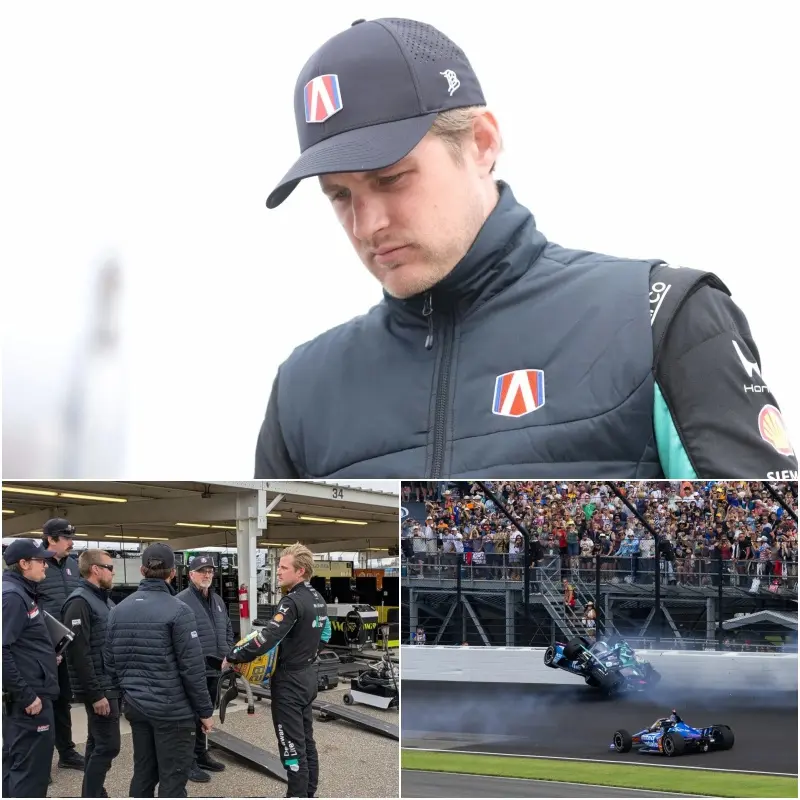
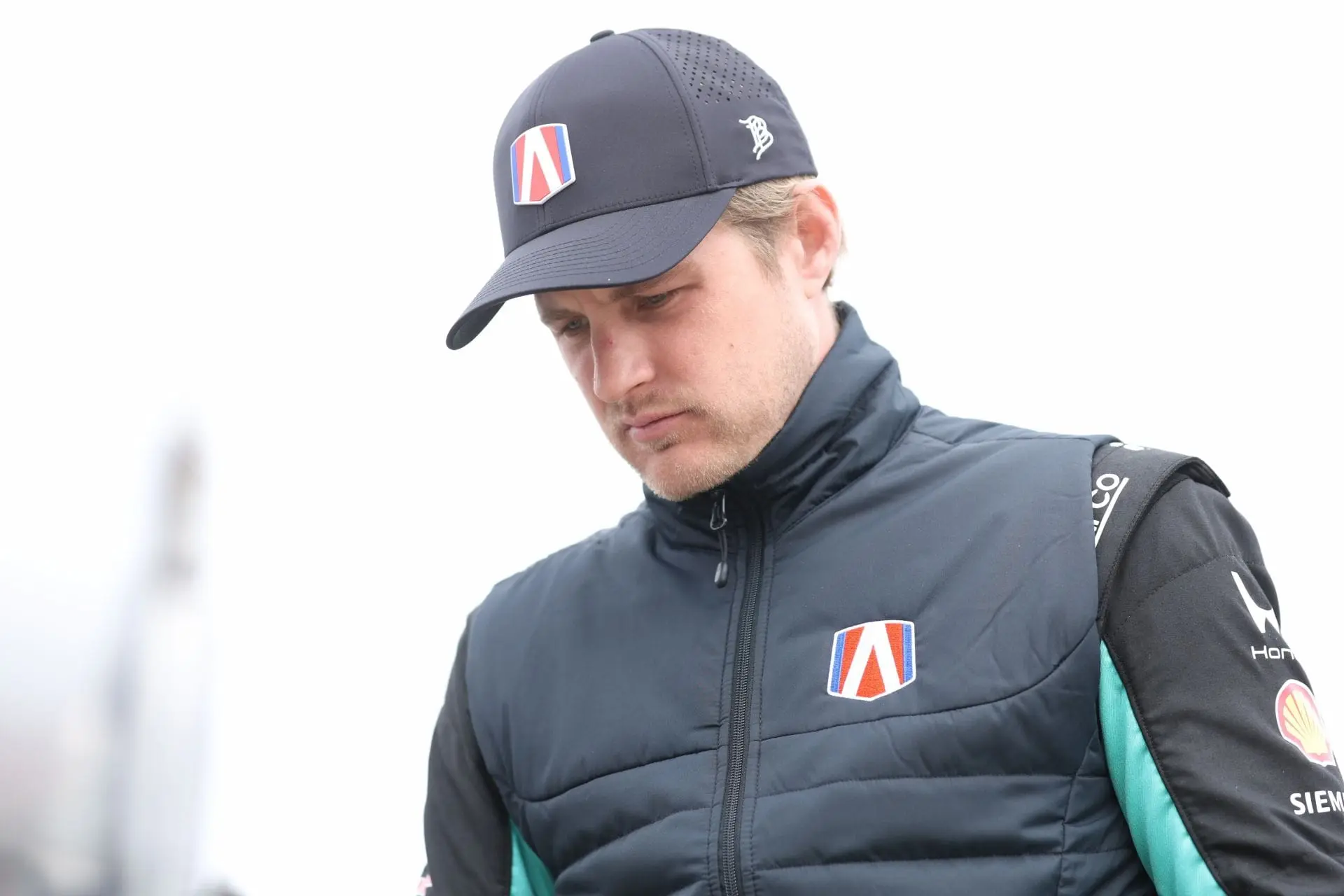
Marcus Ericsson, the 2022 Indianapolis 500 winner and now a key driver for Andretti Global, found himself at the center of a dramatic incident during the Unser IndyCar Open Test at Phoenix Raceway. The Swedish driver, aged 35, expressed intense frustration following a sudden and unexpected crash in the final session of the two-day testing event, which took place in mid-February 2026. The mishap not only cut short what had been a highly productive test for Ericsson and his team but also marked the first major on-track incident of the young IndyCar season.
The crash occurred on the second day of testing, specifically in the closing hour of the afternoon session. Ericsson was pushing hard on a qualifying simulation lap in his No. 28 Honda-powered Dallara when the rear of the car suddenly lost grip exiting Turn 4 on the one-mile tri-oval. Despite his attempts to correct the slide, the vehicle drifted back toward the wall, striking it with the right side before sliding to a stop just past the start/finish line.
The impact was significant enough to cause visible damage to the car, requiring it to be towed back to the garage area. Fortunately, Ericsson emerged from the cockpit uninjured and was able to walk away under his own power.
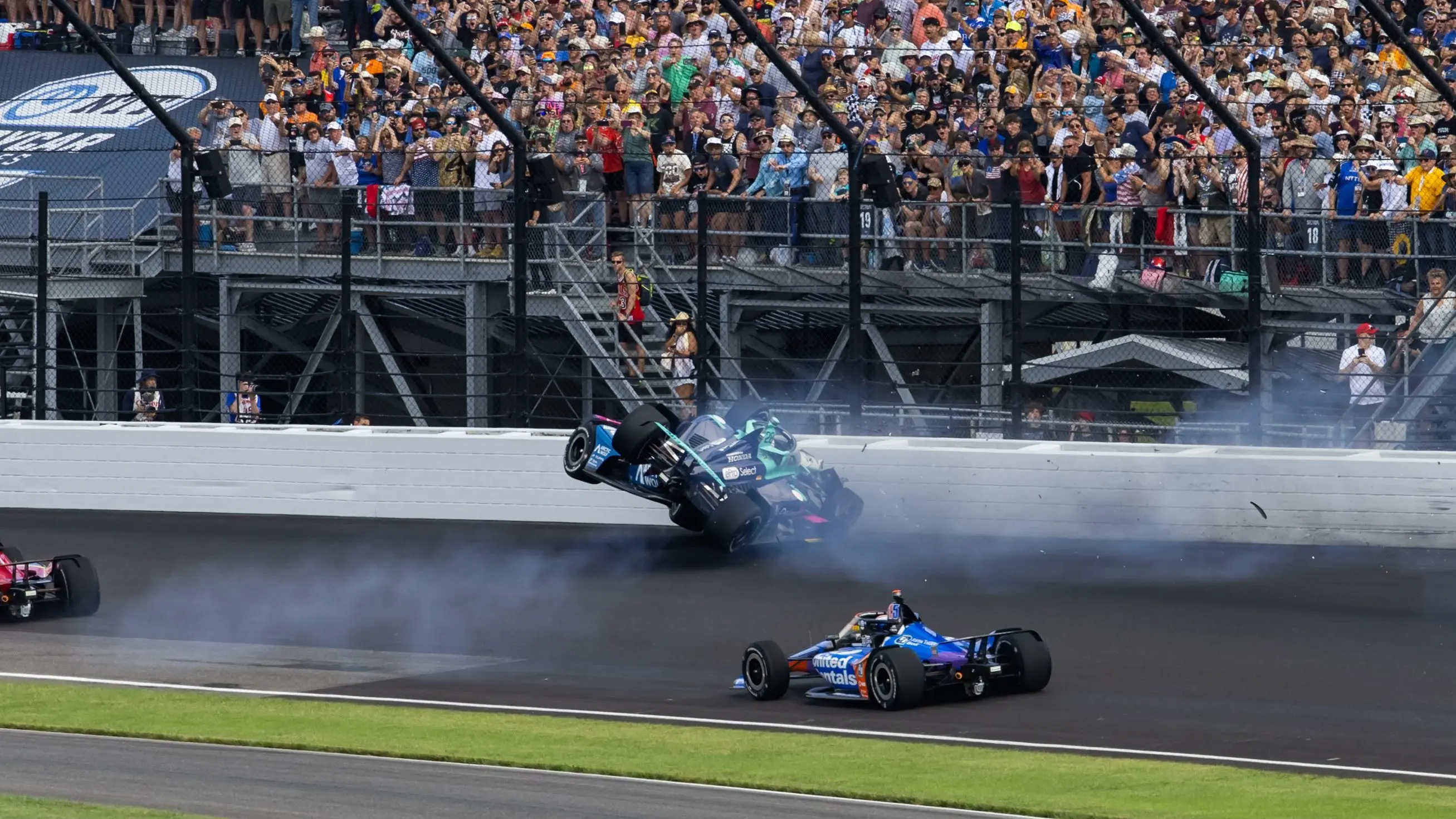
What made the incident particularly unusual was the abrupt nature of the failure. Ericsson described it as feeling “like a pop” in the rear of the car, followed by an immediate loss of drive or power at a critical moment in the corner. He was adamant that the issue was not related to track conditions, such as moisture, which had been a concern earlier in the day when light rain briefly interrupted proceedings. “No, it wasn’t moisture. It was something else,” Ericsson stated firmly in post-incident comments, pointing toward a mechanical or component-related problem rather than external factors.
The frustration was evident in Ericsson’s demeanor as he returned to the pits. Having enjoyed strong performances in prior preseason testing at Sebring just days earlier (February 9-10), where he felt the car was dialed in and competitive, the Phoenix crash came as a bitter disappointment. “It’s just really annoying because I felt like Sebring was really strong, this was really strong, and then you have a big crash,” he said.
In one interview clip, he went further, admitting the incident left him “really angry” and even using stronger language to convey his irritation: “It just really pisses me off.” The 2022 Indy 500 champion had been building momentum with Andretti Global in his new environment, and the setback threatened to disrupt that progress just weeks before the 2026 season opener.
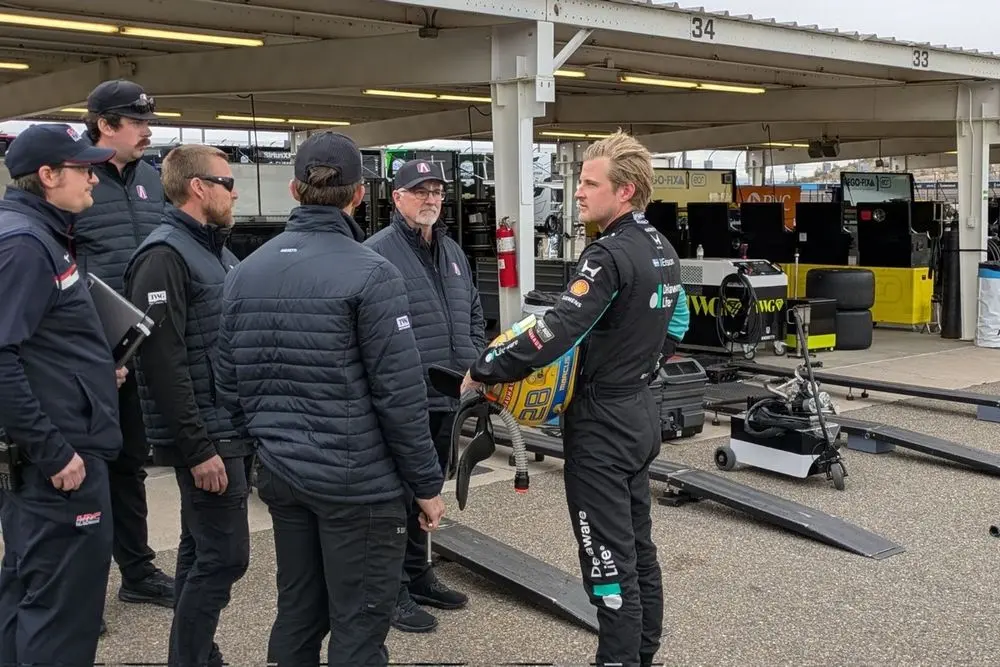
Adding to the tension was Ericsson’s candid revelation about a heated exchange with his team immediately following the crash. While details of the conversation remain partially under wraps, sources close to the situation indicate it centered on rapid troubleshooting and initial data analysis. Ericsson reportedly pressed engineers for quick answers on what caused the sudden loss of rear stability, expressing skepticism about preliminary explanations and pushing for a thorough review of telemetry and components.
The discussion grew animated as the driver, still processing the shock of the incident, voiced concerns over potential reliability issues in the Honda package or setup choices made for the high-speed oval. Team members, including crew chief and engineers, worked to calm the situation while assuring Ericsson that a full investigation would follow. This back-and-forth, captured in part by trackside media and broadcast snippets, has sparked debate among fans and observers about team-driver dynamics at Andretti Global during this transitional period for the squad.
Ericsson later apologized to the entire crew for any sharpness in his words, acknowledging the hard work everyone had put in during the test. “We need to look at the data,” he reiterated, emphasizing a data-driven approach to pinpoint the root cause. The team hauled the damaged chassis back to the shop for repairs, with hopes that it would be ready in time for the season-starting Firestone Grand Prix of St. Petersburg on March 1, broadcast on FOX.
The crash also brought an early end to the day’s running, as officials red-flagged the session before moisture from incoming weather fully halted activities.
Prior to the incident, testing at Phoenix had shown promise for Andretti Global and Ericsson. On the first day, he posted competitive lap times, hovering in the 170-173 mph range amid a field that included strong showings from drivers like Alexander Rossi and Will Power. The oval test was crucial for teams dialing in setups ahead of the March 7 doubleheader weekend at Phoenix, which combines IndyCar and NASCAR action. Ericsson’s speed earlier in the week suggested the No.
28 car had potential to be a contender on short ovals, a strength he demonstrated during his championship-contending years with Chip Ganassi Racing.
The episode highlights the fine margins in IndyCar, where even preseason testing can deliver unexpected setbacks. For Ericsson, who transitioned to Andretti Global seeking fresh opportunities after his tenure with Ganassi, the crash serves as a reminder of the challenges in adapting to new equipment and team processes. Yet his reaction—raw, honest, and passionate—also underscores the fire that has made him one of the series’ most determined competitors. As the investigation continues, all eyes will be on whether the team can resolve the mystery “pop” and restore confidence in the car before the green flag drops in St. Petersburg.
Fans and analysts alike will watch closely to see how Ericsson rebounds. His history of resilience, including bouncing back from tough moments to claim victory at Indianapolis, suggests this frustration could fuel a strong start to 2026. For now, though, the Phoenix test ends on a sour note for one of IndyCar’s biggest names, with questions lingering about what exactly went wrong in Turn 4 and how the team handles the fallout from that intense garage conversation.