BREAKING NEWS: Honda Chairman Refuses to Commit to IndyCar After 2026, as the Company Expresses Concerns About the Inflated Costs and Growing Scandals of the Racing Series After Roger Penske Sold His Stake to FOX
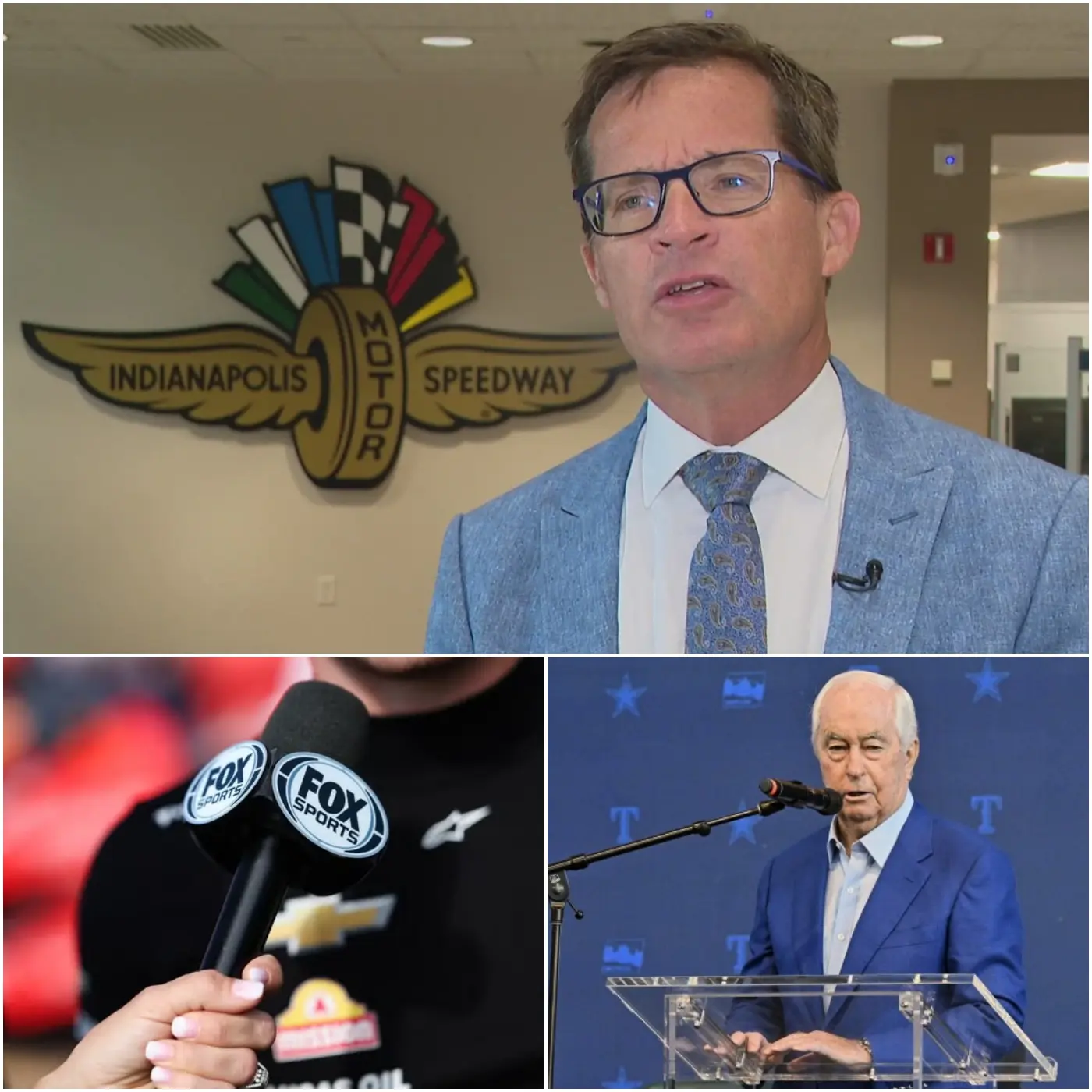
In a significant development that could reshape the landscape of North American open-wheel racing, Honda has signaled strong hesitation about continuing its long-standing involvement in the NTT IndyCar Series beyond the 2026 season. During recent discussions surrounding the manufacturer’s championship, Honda Racing Corporation US president David Salters, speaking on behalf of the company’s leadership, declined to offer any firm assurances about future participation once the current engine supply contract expires at the end of 2026.
This noncommittal stance comes amid escalating worries over the series’ ballooning operational expenses and a string of integrity issues that have tarnished its reputation in recent years.
Honda has been a cornerstone of IndyCar since entering as an engine supplier in 1994, providing power units to numerous championship-winning teams and drivers. The Japanese automaker has enjoyed fierce competition with Chevrolet, contributing to some of the series’ most memorable moments, including multiple Indianapolis 500 victories. However, the landscape has shifted dramatically in recent seasons. Sources close to the manufacturer have repeatedly highlighted “great concerns over the costs,” pointing to rapidly accelerating expenses that threaten the program’s long-term viability.
Despite efforts to introduce cost-containment measures and a planned hybrid engine formula for 2028 aimed at attracting a third manufacturer, Honda appears unconvinced that these steps will sufficiently address the financial pressures.
The timing of Honda’s reluctance is particularly noteworthy given the major ownership changes within Penske Entertainment, the entity controlling the IndyCar Series and Indianapolis Motor Speedway. In July 2025, Roger Penske, the legendary team owner and series proprietor since acquiring the assets in 2019, sold a one-third stake in Penske Entertainment to FOX Corporation. The deal, reportedly valued between $125 million and $135 million, also included a multi-year extension of IndyCar’s media rights with FOX Sports, which took over broadcasting duties from NBCUniversal starting in 2025.
FOX’s investment was framed as a strategic partnership to fuel growth, with promises of enhanced promotion, broader exposure, and increased viewership. The 2025 Indianapolis 500, for instance, drew over 7 million viewers—the best since 2008—reflecting some early positive impacts from the new broadcast partner.
Yet, for Honda, the shift has not alleviated underlying anxieties. The sale has coincided with heightened scrutiny of the series’ governance and competitive fairness, particularly following high-profile incidents involving Team Penske—the outfit owned by Roger Penske himself. In 2024 and again in 2025, the team faced disqualifications and penalties for technical violations, including a major scandal during Indianapolis 500 qualifying in May 2025.
Two Team Penske cars, driven by high-profile drivers, failed pre-qualifying inspections due to unapproved modifications to rear attenuators, leading to their relegation to the back of the grid, hefty fines, and the dismissal of key personnel, including Team Penske president Tim Cindric and other executives. These events echoed an earlier 2024 infraction involving push-to-pass system misuse, resulting in race disqualifications and points penalties.
Honda officials have described such developments as “not helpful” to the sport’s integrity, underscoring how the repeated issues—especially given Penske’s dual role as series owner and top team principal—have eroded confidence. The conflicts of interest inherent in the structure have fueled criticism that the series struggles with impartial enforcement, particularly when its most powerful stakeholder is directly implicated.
While Penske has emphasized organizational accountability and the need to preserve the sport’s credibility, the scandals have amplified perceptions of instability at a time when IndyCar is attempting to compete with the surging popularity of Formula 1 in the United States and NASCAR’s entrenched dominance.
Industry observers note that Honda’s position is not merely posturing. Discussions about a potential exit have circulated for years, with the manufacturer weighing the benefits of its deep historical ties against the realities of a series facing uncertain growth trajectories. The planned 2027 gap year for engine suppliers—bridging the current formula to the 2028 hybrid era—adds further complexity, requiring separate negotiations for any interim continuation. Without a third engine manufacturer materializing despite prolonged efforts, the burden on Honda and Chevrolet remains heavy, potentially exacerbating cost issues.
The implications of a Honda departure would be profound. As the only manufacturer to have competed continuously in IndyCar since the mid-1990s, its exit could leave Chevrolet as the sole supplier, diminishing manufacturer rivalry and potentially deterring teams and sponsors. It might also force IndyCar to accelerate recruitment drives or revisit engine specifications to entice newcomers, all while navigating the post-Penske/FOX ownership dynamic. FOX’s stake is intended to inject resources and marketing muscle, but skeptics question whether it can offset deeper structural challenges.
For now, Honda maintains a diplomatic tone, with representatives stating they do not discuss private business publicly. Yet the refusal to commit speaks volumes. As the 2026 season approaches—marking the final year under the current contract—the series finds itself at a crossroads. Balancing cost control, integrity reforms, and ambitious growth under new media and ownership influences will be critical to retaining valued partners like Honda.
IndyCar has made strides in visibility and fan engagement, particularly through FOX’s coverage and initiatives like expanded international events. However, the combination of financial strains and reputational hits from scandals has created an environment of uncertainty. Whether Honda ultimately stays or departs will likely hinge on tangible progress in these areas before the end of 2026. For a series with such rich heritage, the stakes could not be higher in preserving its competitive allure and manufacturer support.