The equestrian world was plunged into profound grief in February 2025 when Michael O’Sullivan, a promising young Irish jockey aged just 24, tragically died from severe head injuries sustained in a fall at Thurles racecourse in Ireland.
O’Sullivan, hailed as racing’s “next superstar” after his remarkable double victory at the 2023 Cheltenham Festival, was riding Wee Charlie in a handicap chase when multiple horses fell at the final fence, leading to a chain reaction that left him critically injured.
Airlifted to Cork University Hospital, he spent ten days in an induced coma before passing away surrounded by his family, just days before his 25th birthday.
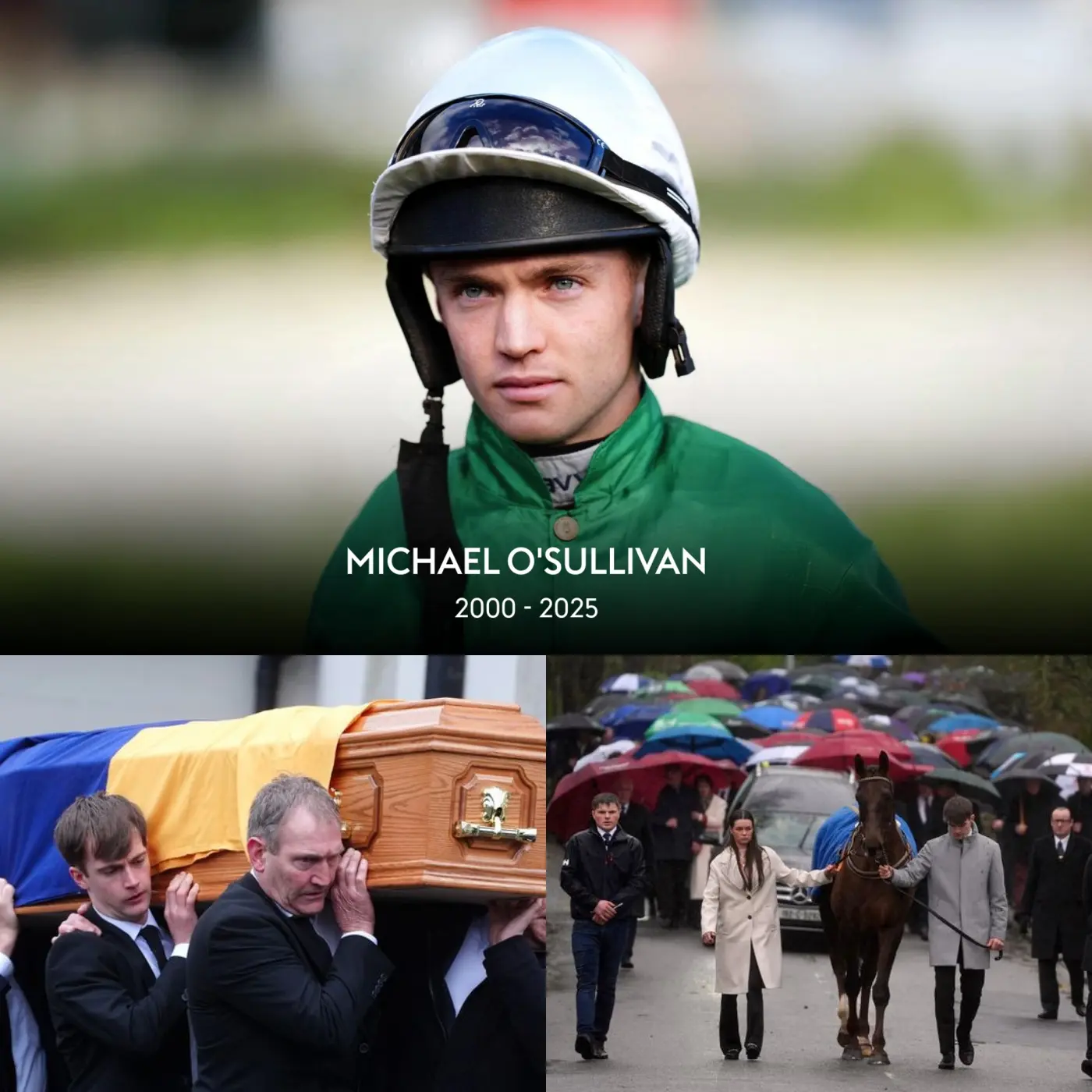
O’Sullivan’s rise had been meteoric. Emerging from Ireland’s point-to-point circuit, where he became champion novice rider in 2019, he turned professional and burst onto the National Hunt scene.
His standout achievement came on the opening day of the 2023 Cheltenham Festival, where he partnered Marine Nationale to win the Supreme Novices’ Hurdle and followed up with Jazzy Matty in the Boodles Juvenile Handicap Hurdle.
Trainer Barry Connell described him as delivering “the coolest ride” imaginable, marking O’Sullivan as a talent destined for greatness. With 95 winners under rules in Ireland and Britain, including Grade One successes, he embodied the excitement and skill that draws fans to jump racing.
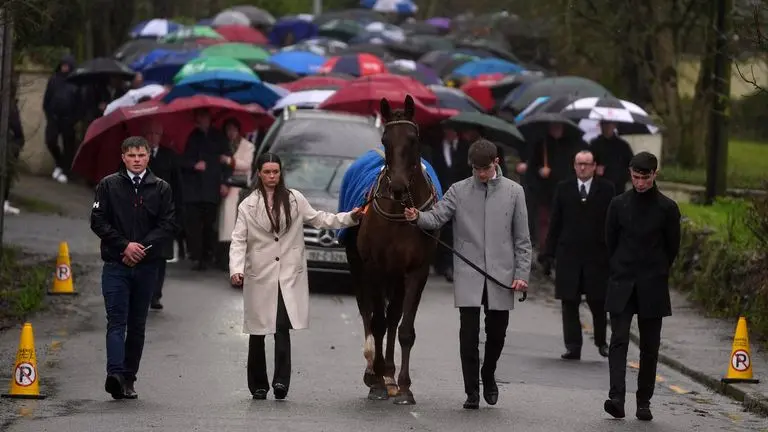
Yet his untimely death has reignited intense scrutiny over the inherent dangers of the sport, particularly National Hunt racing with its demanding jumps and high speeds. While the fall occurred at Thurles—not the Cheltenham Festival itself—the tragedy cast a long shadow over the prestigious March meeting in Gloucestershire.
In a poignant tribute, organizers renamed the opening Supreme Novices’ Hurdle the “Michael O’Sullivan Supreme Novices’ Hurdle” for the 2025 Festival, a gesture welcomed by his family as a celebration of his legacy.
Attendees observed moments of silence, and tributes poured in from across the racing community, underscoring the personal loss felt by colleagues, trainers, and fans.
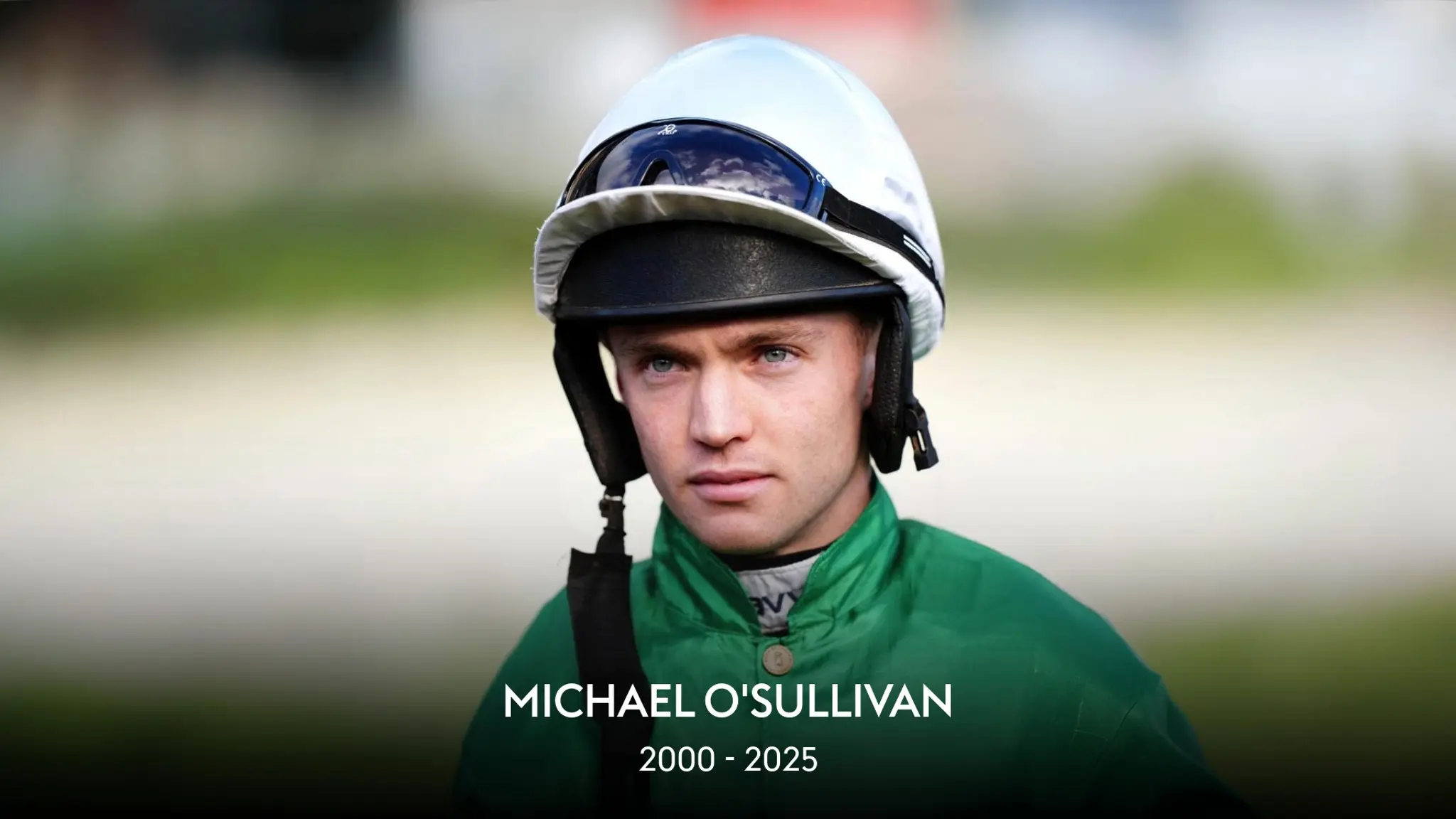
This incident amplified ongoing concerns about safety in horse racing, a sport often celebrated for its glamour but frequently criticized for its risks to both horses and riders.
Jockeys face extraordinary perils: falls at speed over obstacles can result in catastrophic injuries, as seen in O’Sullivan’s case, where a severe traumatic brain injury proved fatal.
He became the first Irish National Hunt jockey to die directly from a racecourse fall since 2003, highlighting how rare yet devastating such outcomes remain. Protective measures like helmets and body protectors have improved, but the physical demands—maintaining low weights, enduring impacts, and navigating unpredictable horses—persist.
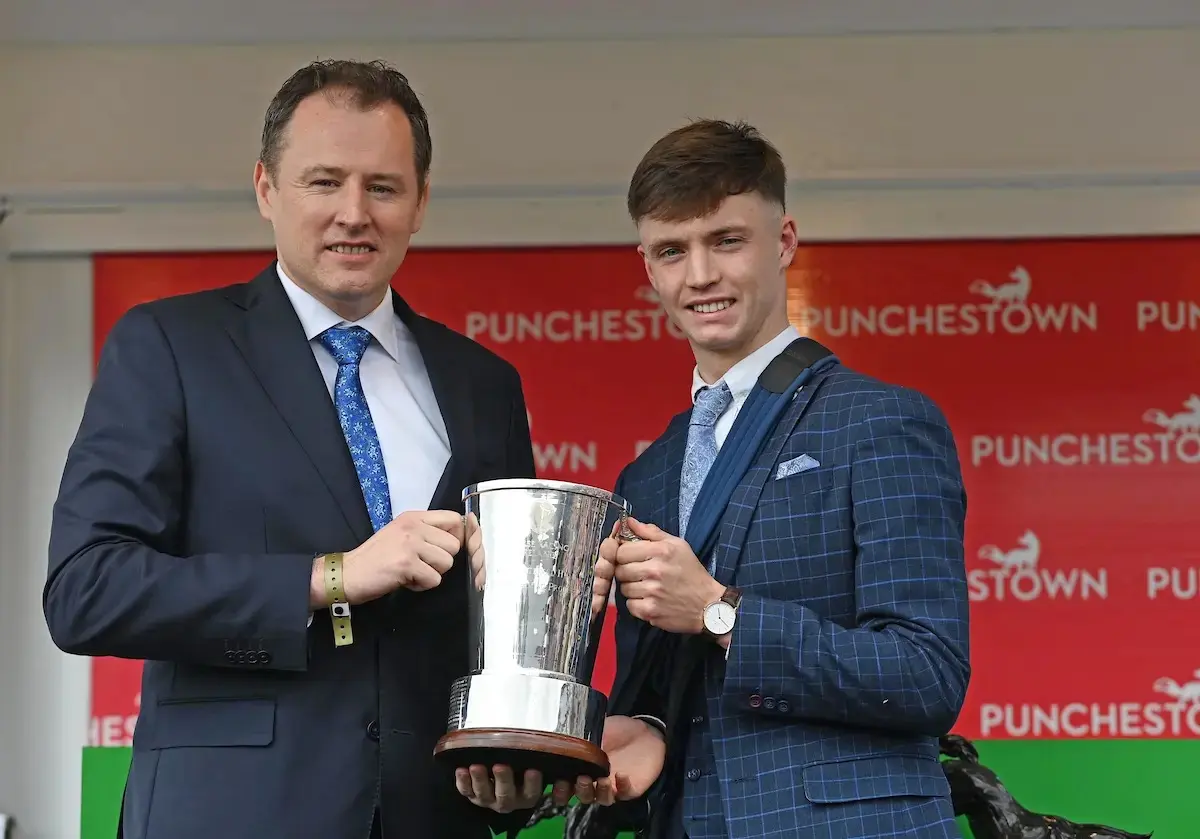
The debate extends to equine welfare, with Cheltenham itself frequently at the center of controversy. The Festival’s challenging course, featuring stiff fences and undulating terrain, has seen multiple horse fatalities over the years.
In 2025 alone, two horses—Springwell Bay and Corbetts Cross—suffered fatal injuries during the event, adding to a tally of over 78 horse deaths at the Festival since 2000, according to animal welfare groups.
Critics, including organizations like Animal Aid and PETA, argue that the pursuit of spectacle and prize money pushes horses and riders beyond safe limits, with crowded fields and gruelling distances exacerbating risks.
Defenders of the sport point to continual efforts to enhance safety. The British Horseracing Authority conducts thorough reviews of every fatality, incorporating veterinary input, medication records, and post-mortems.
Innovations such as foam-padded hurdles, introduced in recent years, aim to reduce fall severity, while broader initiatives under bodies like the Horseracing Integrity and Safety Authority in the US focus on uniform drug testing and track standards.
In the UK and Ireland, fatality rates have declined over time due to better veterinary care, pre-race screenings, and research into conditions like exercise-associated sudden death in horses.
Still, O’Sullivan’s death has fueled calls for more radical changes. Some advocate limiting field sizes, softening courses, or even questioning the viability of jump racing altogether.
Animal rights campaigners describe horses as “sacrificed for entertainment,” while jockeys’ representatives emphasize the need for better support systems, including mental health resources in the wake of trauma.
The outpouring of grief—black armbands worn at meetings, cancelled cards, and heartfelt statements from figures like Willie Mullins, who called O’Sullivan a “natural rider”—reveals a community wrestling with its vulnerabilities.
Horse racing’s allure lies in its blend of tradition, athleticism, and drama: thundering hooves, daring leaps, and the bond between horse and rider. Events like Cheltenham draw massive crowds and global attention, generating economic benefits and cultural significance. Yet tragedies like O’Sullivan’s force a reckoning.
Is the thrill worth the peril? Can reforms ever fully eliminate the “deadly dark side” that lurks beneath the pageantry?
As the sport moves forward, O’Sullivan’s memory endures as a reminder of its human cost. His family spoke of an “extraordinary young man” whose impact transcended the track.
In honoring him, racing must confront whether it can balance its exhilarating essence with genuine, uncompromising safety—for riders like Michael, and the horses they partner. The debate rages on, more fiercely than ever, as stakeholders grapple with preserving a beloved tradition amid mounting pressure for change.
In an era of heightened awareness, the glamorous world of jumps racing finds itself under the microscope once again, searching for ways to protect its stars without dimming their shine.