A MIRACULOUS VICTORY
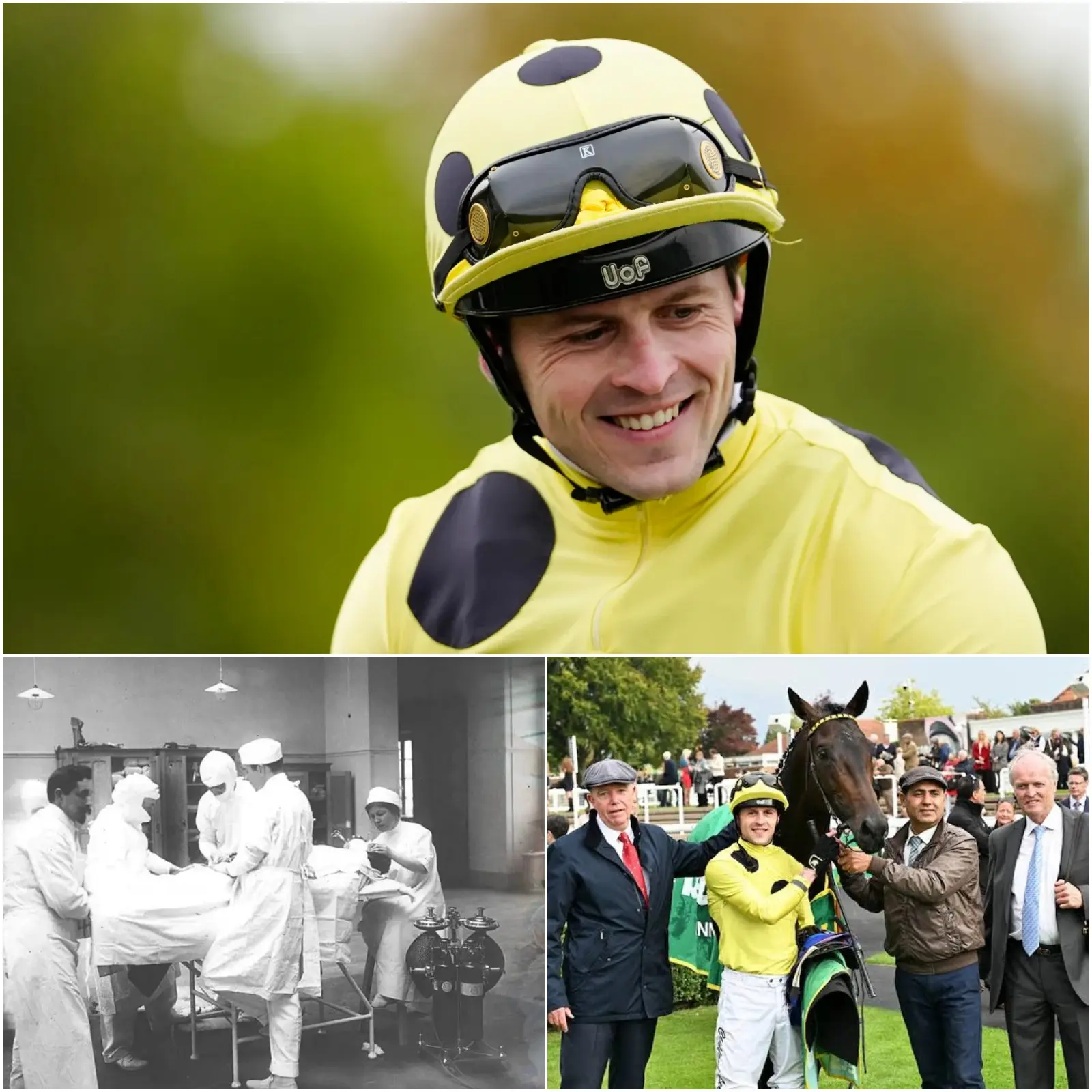
In the high-stakes world of horse racing, where every stride can mean glory or disaster, few stories capture the raw essence of human resilience quite like that of Clifford Lee. The 29-year-old Group 1-winning jockey, known for his consistent performances and partnership with leading trainer Karl Burke, has made a spectacular return to the saddle. Just days ago, Lee guided Al Qareem to a commanding victory at Newcastle, securing his first win since a life-threatening motorbike accident that left him with only a slim chance of survival.
It was more than a race win; it was a triumphant declaration that the sport’s brightest talents can defy the odds stacked against them.
The accident occurred in late October during a family trip to Scotland. Lee, serving a brief riding ban at the time, was enjoying a cross-country motorbike ride when tragedy struck. Traveling at a modest speed of around 10 km/h up a mountain path, his bike suddenly dropped into a hidden ditch. The impact threw him forward, and he struck his head and neck violently on the terrain. In that split second, Lee’s life hung in the balance. He remembers the moment vividly—removing his helmet and immediately realizing something was catastrophically wrong with his neck.
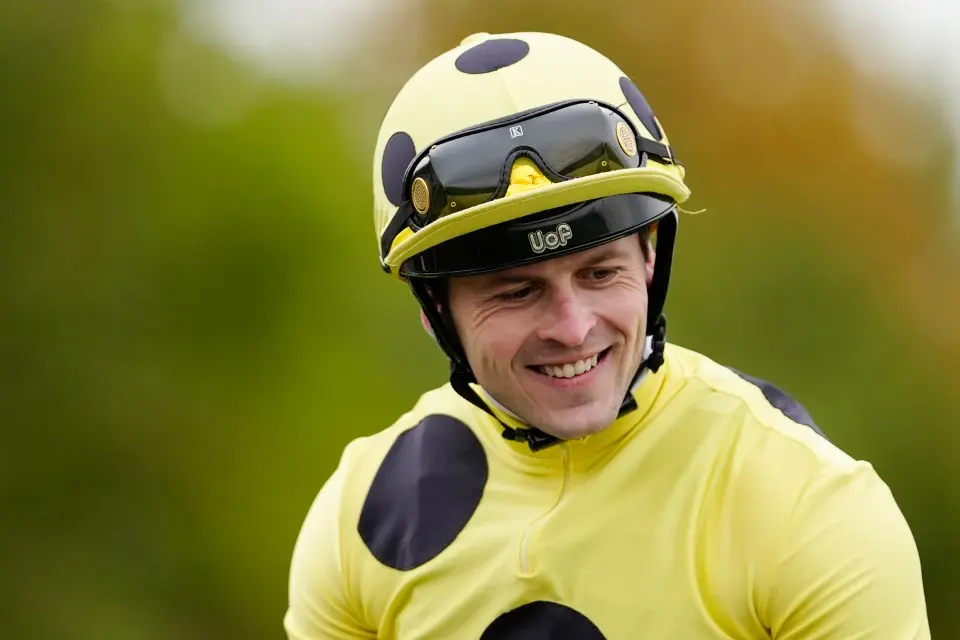
What followed was a medical nightmare that few could endure. Lee suffered a broken C1 vertebra, one of the most critical bones at the top of the spine responsible for supporting the skull and protecting the brainstem. Compounding the injury was severe internal bleeding, including a dangerous blood clot at the back of his neck that threatened to compromise his airway. Doctors placed him in an induced coma for two days to stabilize his condition, during which he required an emergency tracheotomy to help him breathe.
For a time, he lost the ability to speak and eat normally, relying entirely on medical intervention to stay alive.
The prognosis was grim. Medical professionals later revealed the razor-thin margin by which Lee escaped death. Surgeons told him he had come within less than one millimeter of a fatal outcome— a measurement so precise it defies comprehension. That single millimeter separated him from catastrophic damage to his spinal cord or major blood vessels, injuries that could have left him paralyzed, unable to breathe independently, or worse.
Lee himself has not hesitated to share the details of his near-death experience, describing how the injury “could have taken someone else’s life.” In interviews, he recounted the surreal moments of recovery, including his determination not to remain sedated longer than necessary. “They couldn’t keep me in a coma,” he later reflected, underscoring his fighting spirit even while unconscious.
The road to recovery was long and grueling. Lee spent over three weeks in the hospital, enduring pain, rehabilitation, and the psychological toll of facing an uncertain future in a sport that demands peak physical fitness and fearless commitment. For the first several days, he couldn’t use his phone or follow racing, isolating him from the world he loved. Yet, through sheer willpower and the support of his family, trainer, and the racing community, he began the slow process of rebuilding. Physiotherapy focused on regaining strength, mobility, and coordination.
By early 2026, he was back riding out for Burke’s stable, gradually increasing his workload while declaring himself “fitter than before” the accident—a testament to the rigorous conditioning he undertook during rehabilitation.
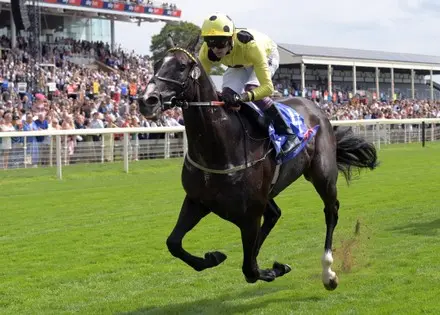
Lee’s return to competitive racing was met with anticipation and emotion across the British racing scene. His first ride back came at Newcastle, where the crowd offered a warm welcome as he emerged from the weighing room. Riding with the same poise and tactical acumen that had defined his career, Lee wasted no time in proving his readiness. Aboard Al Qareem, a horse with proven ability but coming off its own challenges, he delivered a polished performance. The pair struck for home with authority, pulling clear in the closing stages to secure a decisive victory.
It was Lee’s first winner since the horror crash, and the moment carried profound significance—not just for him personally, but as an inspiration to anyone facing seemingly insurmountable obstacles.
Those close to Lee have praised his remarkable comeback. Trainer Karl Burke expressed delight at having his jockey back in the yard, noting how Lee’s presence lifts the entire operation. The Injured Jockeys Fund and racing media outlets have highlighted the story as one of bravery and determination, with headlines emphasizing the “miraculous recovery” of a rider who many feared might never compete again. Lee’s own words reveal a deepened perspective on life and the sport he adores.
He has spoken candidly about the fragility of existence, the importance of family, and the mental fortitude required to climb back onto a racehorse after staring death in the face.
Beyond the individual triumph, Lee’s story shines a light on the inherent dangers of both motorcycling and professional horse racing. Jockeys routinely put their bodies on the line at speeds exceeding 35 miles per hour atop powerful thoroughbreds, where falls can result in life-altering injuries. Lee’s off-track accident serves as a sobering reminder that risks exist even away from the racetrack. Yet it also underscores the advances in medical care and rehabilitation available to athletes today. The swift intervention, expert surgery, and dedicated support network played pivotal roles in his survival and return.
As Lee looks ahead, his ambitions remain undimmed. He aims to build on his pre-accident successes, including multiple Group 1 victories, and continue his fruitful partnership with Burke. The jockey has emphasized that the experience has made him stronger, both physically and mentally. “I’m fitter than before,” he has repeatedly stated, a bold claim backed by his visible progress in training and now proven on the track. Fans and fellow riders have flooded social media with messages of support, celebrating not only the win but the human story behind it.
In an industry often defined by fleeting moments of success, Clifford Lee’s journey stands out as something deeper—a narrative of survival against overwhelming odds. From the quiet mountainside in Scotland where his world nearly ended, to the roar of the Newcastle crowd as he crossed the line in front, his path embodies the unyielding human spirit. That one millimeter of mercy, as described by his surgeons, granted him a second chance that he has seized with both hands—and reins.
The racing world will be watching closely as Lee continues his comeback. With each ride, he not only chases winners but also carries a message of hope: that even when the margin between life and death is measured in millimeters, determination and support can bridge far greater distances. His victory is indeed miraculous, a beacon for resilience in a sport that celebrates both the beauty of the horse and the courage of those who ride them. As Lee himself might say, the best is yet to come.