A HEARTBREAKING MOMENT: Racehorse Bailey Rogerson, from a renowned racing family, fell into an induced coma after a fall during a race, meaning she will never return to the racetrack, leaving all her fans saddened and grieving.
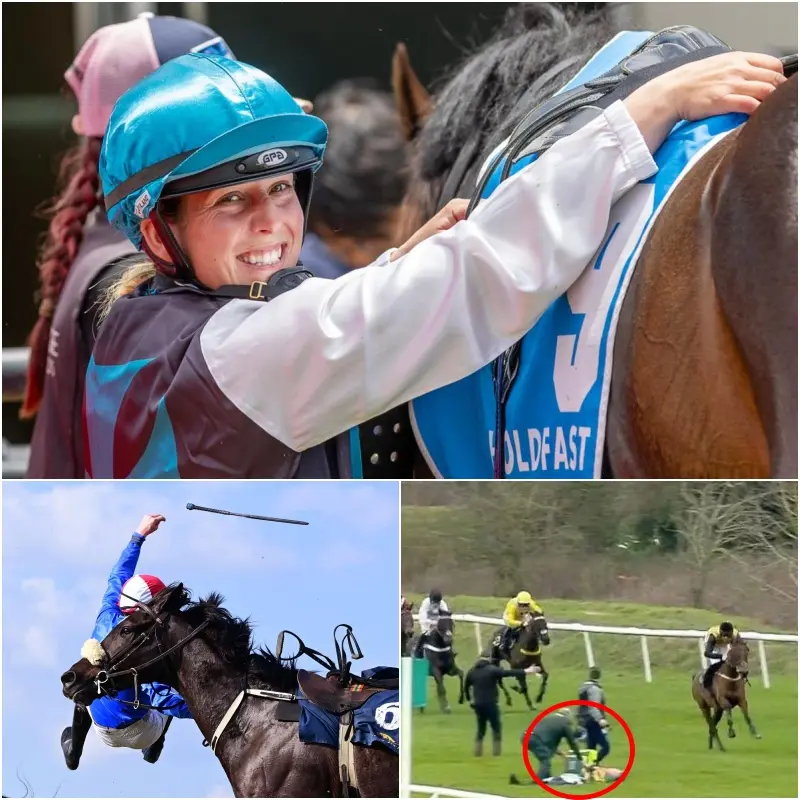
The horse racing world was plunged into sorrow in mid-November 2025 when promising young jockey Bailey Rogerson suffered a devastating fall during a race at Arawa Park near Rotorua, New Zealand. The 24-year-old apprentice, hailing from one of the sport’s most storied families, was placed in an induced coma shortly after the incident to manage severe head injuries, sparking an outpouring of concern and support from fans, fellow riders, and the broader racing community.
While the future remains uncertain, the accident has underscored the inherent risks of the profession and left many fearing that Rogerson’s time in the saddle may be over.
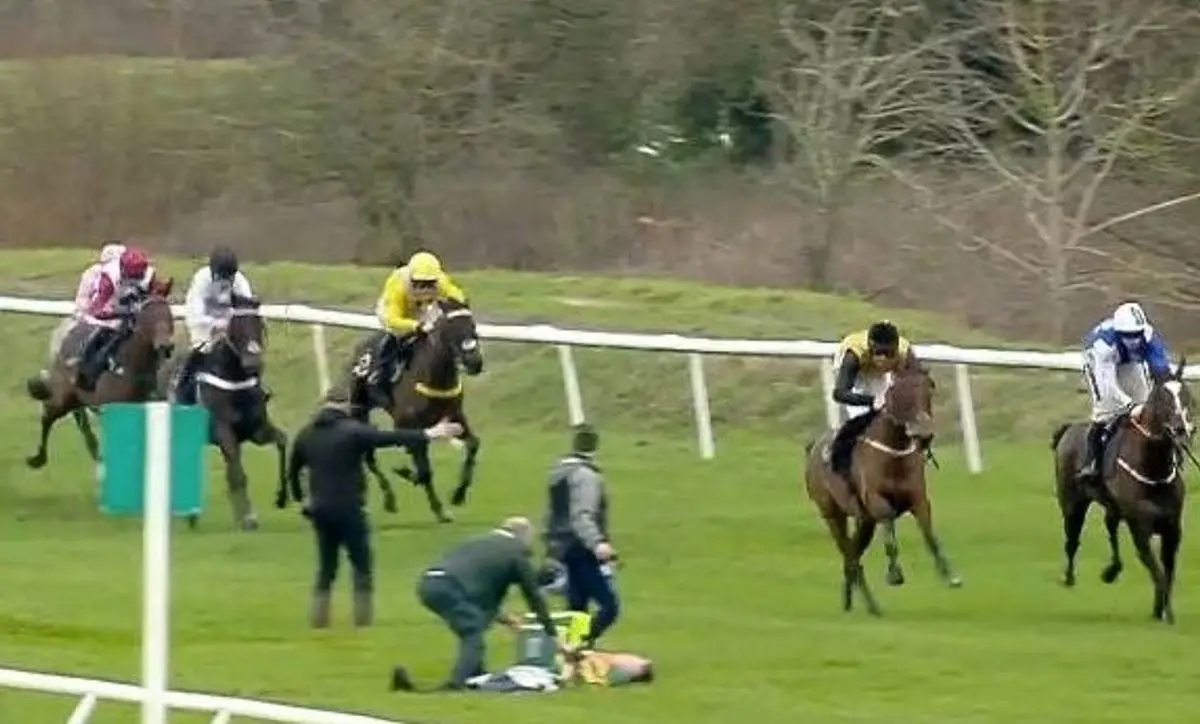
The incident unfolded on Sunday, November 16, 2025, during Race 6 at the Arawa Park meeting. Rogerson was aboard her mount Mandolo when the horse clipped the heels of another runner, In A Pickle, causing a catastrophic spill. She was dislodged violently, striking the ground heavily and suffering immediate trauma. Stewards later reviewed footage and determined that French jockey Corentin Berge had allowed his mount to move out dangerously, checking Rogerson’s horse and contributing directly to the fall. Berge received a significant suspension—reportedly a month-long ban—as a result, highlighting the strict accountability enforced in such cases.
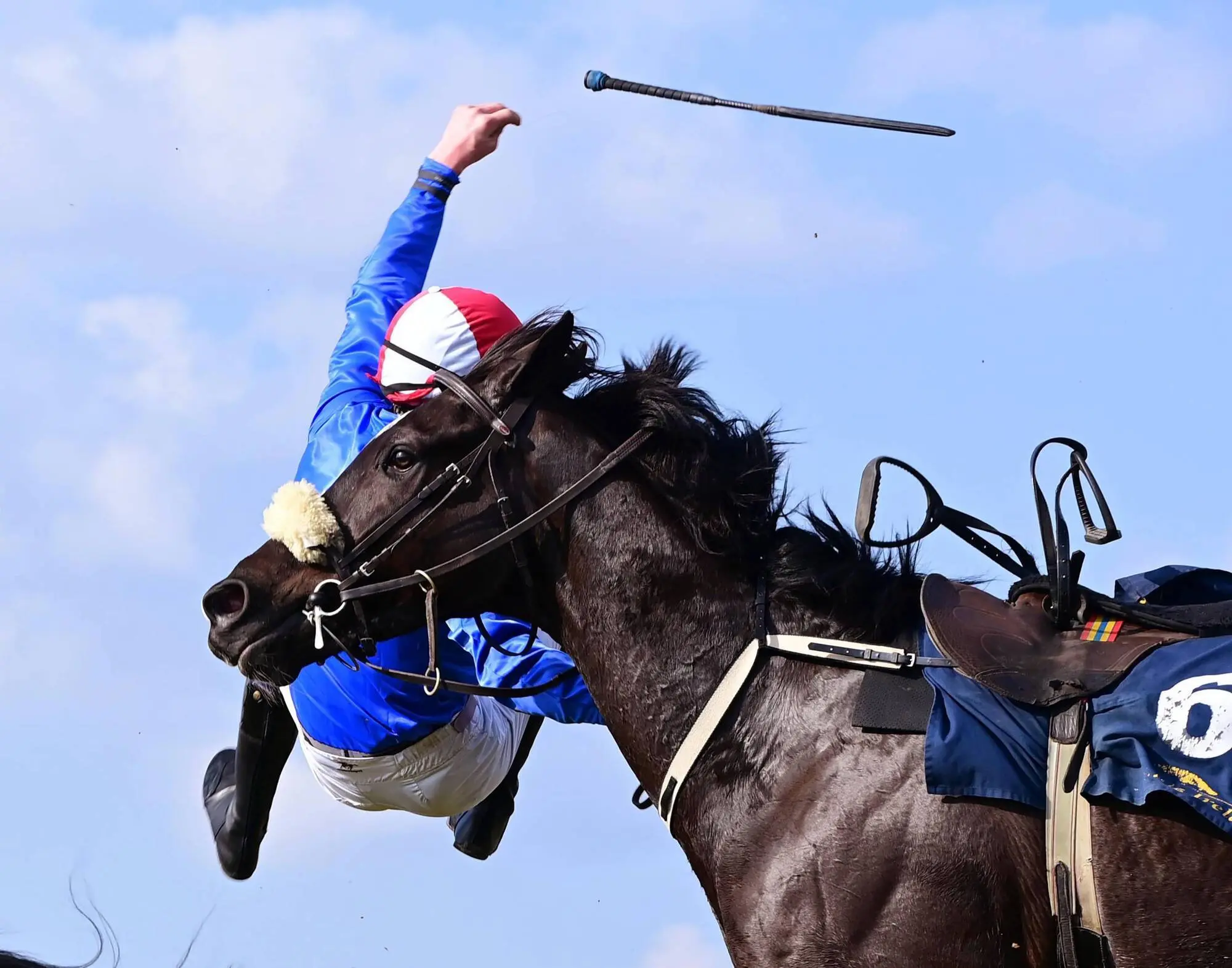
Rogerson was rushed to Waikato Hospital, where medical staff diagnosed a fractured skull along with concerns over intracranial pressure and a possible brain bleed. To alleviate swelling and give her brain the best chance to recover, doctors promptly placed her in an induced coma. Her grandfather, the renowned trainer Graeme Rogerson—best known for preparing Efficient to win the 2007 Melbourne Cup—shared early updates that captured the family’s anguish and cautious hope. He noted that Bailey’s mother, former jockey Michelle Northcott, stayed vigilantly by her bedside.
“She has a fracture in her skull, and there might also be a broken bone in her neck region,” Graeme said at the time, adding that movement in her limbs offered some reassurance amid the worry.
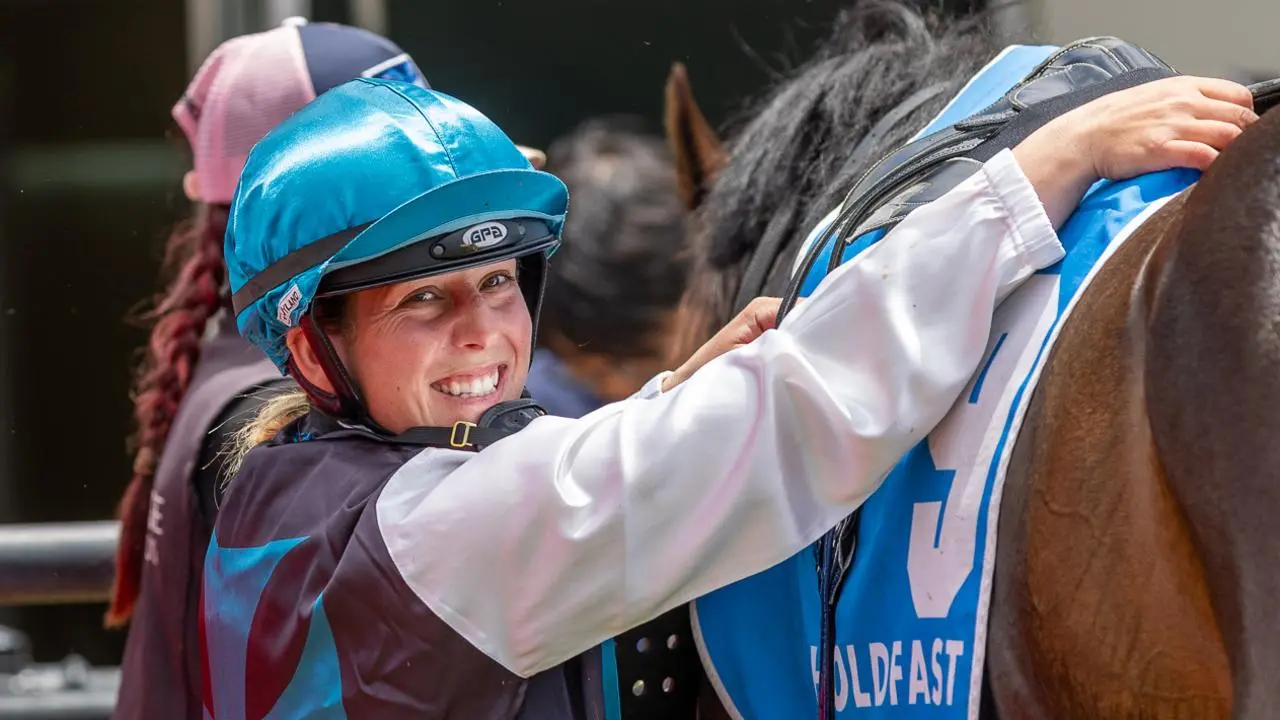
The Rogerson name carries deep resonance in Australasian racing. Graeme’s success as a trainer, particularly his Melbourne Cup triumph, has made the family synonymous with excellence and perseverance. Bailey, as his granddaughter, represented the next generation, bringing talent, dedication, and a passion inherited from her lineage. Earlier that same day at Arawa Park, she had ridden a winner, a moment of triumph that made the subsequent tragedy all the more poignant. Her apprenticeship had shown promise, with steady progress and growing recognition in New Zealand’s competitive racing scene.
News of the fall spread rapidly across the racing community, drawing messages of support from around the world. Fellow jockeys, trainers, owners, and fans flooded social media with tributes, sharing memories of her rides and expressing solidarity. The incident served as a stark reminder of the dangers inherent in the sport—high speeds, unpredictable animals, and split-second decisions that can lead to life-altering consequences. Horse racing has long grappled with such tragedies, from fatal injuries to career-ending accidents, yet each one renews calls for enhanced safety measures, better protective gear, and ongoing improvements to track conditions and race protocols.
By November 19, updates began to offer glimmers of progress. Reports indicated that Rogerson had been brought out of the induced coma, though her recovery was described as lengthy and challenging. Family statements conveyed relief that she had “turned the corner,” with improvements in her condition compared to the immediate aftermath. Injuries were confirmed to include the fractured skull, a brain bleed, a vertebrae fracture, and facial trauma, but medical teams emphasized her resilience. “She’s a lucky girl; it could have been a whole lot worse,” Graeme reflected, encapsulating the mix of gratitude and ongoing concern.
The racing fraternity rallied further, with organizations and individuals offering support to the family during this difficult period. In New Zealand and beyond, the community emphasized unity in the face of adversity, a hallmark of the sport where participants understand the shared risks and rewards. Rogerson’s story resonated particularly with younger riders aspiring to make their mark, serving as both inspiration and cautionary tale.
As weeks passed into early 2026, the focus shifted toward rehabilitation. While initial fears centered on the severity of her head injury, the emergence from coma marked a critical milestone. Recovery from such trauma often involves extensive physiotherapy, neurological monitoring, and psychological support. The prospect of returning to competitive riding remains clouded; severe head injuries frequently impose long-term limitations, and medical advice typically prioritizes long-term health over a swift comeback.
For many in the sport who have followed similar cases, the harsh reality is that a return to the racetrack may not be feasible, transforming a promising career into one remembered for its potential rather than its achievements.
The heartbreak extends beyond the Rogerson family to the thousands of fans who admired Bailey’s grit and talent. Social media continues to feature well-wishes, photos from her races, and expressions of hope for full recovery, even if that means a life away from the saddle. The incident has prompted quiet reflection across the industry about rider welfare, with discussions around mandatory concussion protocols, improved helmet standards, and support networks for injured participants gaining renewed attention.
In the end, this moment stands as a somber chapter in horse racing’s ongoing narrative. Bailey Rogerson’s fall reminds enthusiasts of the fragility beneath the thrill, the human cost behind the spectacle. As she embarks on what will undoubtedly be a demanding road to recovery, the community holds her close in thought and prayer, grateful for any positive signs and united in sorrow for what may have been lost. The racetrack will feel quieter without her presence, but her spirit—forged in a legendary family and fueled by undeniable passion—endures in the hearts of all who love the sport.