Wayne Rooney has never been afraid to offer honest tactical opinions, but ahead of England’s World Cup semifinal against Argentina, one of his latest observations has generated discussion across the football world.
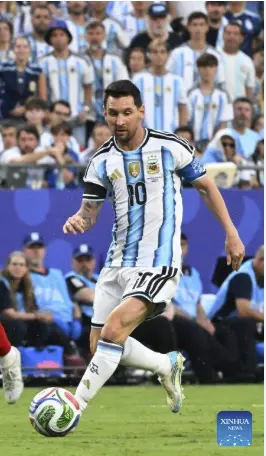
Speaking as a BBC pundit, the former England captain argued that Lionel Messi can become “a weakness” for Argentina—not because of his extraordinary attacking quality, but because he contributes less defensively, creating spaces England could potentially exploit.
The comment immediately spread across social media, where many readers focused on the headline without the full context. Some interpreted Rooney’s words as criticism of Messi himself, while others pointed out that the England legend also described the Argentine captain as the player capable of deciding the match through his exceptional decision-making and moments of brilliance.
That distinction became central to the debate. Rooney was not questioning Messi’s status as one of football’s greatest players; instead, he was explaining the tactical compromise Argentina willingly accept by allowing their captain to conserve energy rather than tracking back throughout every defensive phase.
Modern football has changed significantly over the past decade, especially regarding how elite teams use veteran superstars. At 39, Messi is no longer expected to sprint relentlessly across the entire pitch, and Lionel Scaloni has carefully built Argentina’s system around maximizing his influence in attacking situations instead.
Rather than asking Messi to press every defender, Argentina surround him with energetic teammates who recover possession, cover defensive spaces, and allow their captain to remain in advanced positions. When Argentina regain the ball, Messi is immediately available to create opportunities instead of recovering from long defensive runs.
That tactical balance has become one of Argentina’s defining characteristics during their World Cup title defense. Throughout the tournament, the defending champions have repeatedly demonstrated that preserving Messi’s energy often produces greater rewards later in matches, especially when opponents begin to tire physically and mentally.
Rooney acknowledged exactly that point during his analysis. While discussing England’s approach, he warned that Messi remains incredibly dangerous because he comes alive during decisive moments, choosing the correct pass, movement, or finish when the pressure reaches its highest level.
His comments therefore contained both admiration and tactical analysis. England, Rooney suggested, should exploit the defensive spaces Messi leaves while never forgetting that the Argentine captain can completely change a match within seconds if concentration drops.
That balanced assessment did little to slow the online discussion. Argentina supporters quickly defended their captain, arguing that every successful team makes tactical adjustments to maximize the strengths of its greatest player.
Many fans highlighted Argentina’s recent victory over Switzerland as evidence that Scaloni’s system extends far beyond one individual. Although Messi remained influential throughout the quarterfinal, goals from Alexis Mac Allister, Julián Álvarez, and Lautaro Martínez secured qualification for another World Cup semifinal.
Those performances reinforced the belief among Argentina supporters that their team cannot be reduced to a single footballer. Midfielders, defenders, substitutes, and goalkeeper Emiliano Martínez have all produced decisive contributions during the tournament, illustrating the depth that exists throughout the squad.
England supporters, meanwhile, viewed Rooney’s analysis from a different perspective. Many believed his comments simply identified one of the few areas where England might gain a tactical advantage against one of the strongest teams remaining in the competition.
Football analysts have explored similar ideas throughout the buildup. Several have suggested England’s energetic midfield could attempt to exploit the spaces left when Messi conserves energy, particularly if players such as Jude Bellingham, Declan Rice, and other midfield runners can transition quickly after winning possession.
At the same time, almost every tactical discussion has included the same warning. Any team that focuses exclusively on Messi risks ignoring the quality surrounding him.
Julián Álvarez has consistently stretched opposing defenses with intelligent movement. Lautaro Martínez continues to provide clinical finishing, while Alexis Mac Allister, Enzo Fernández, and Rodrigo De Paul have formed one of the tournament’s most balanced midfield combinations.
That collective strength explains why Lionel Scaloni has repeatedly emphasized teamwork instead of individual brilliance. Following Argentina’s difficult quarterfinal victory, the coach praised the resilience shown throughout the squad while also admitting improvements would be necessary before facing England.
Rooney’s remarks therefore fit into a much broader football conversation rather than representing an isolated opinion. Across television studios, podcasts, and newspaper columns, analysts continue debating how England should approach a team built around perhaps the greatest player in football history.
Former defender Micah Richards, appearing alongside Rooney, offered another perspective. While agreeing that England possess athletic advantages in certain areas, he warned that Messi’s intelligence, positioning, and technical quality make him almost impossible to contain for an entire match.
That observation resonated with many supporters. Messi may no longer dominate games through constant dribbling from deep positions, but his awareness allows him to appear at precisely the right moment when opponents briefly lose concentration.
Football history offers countless examples supporting that reputation. Teams have successfully limited Messi for long periods before watching him produce one decisive pass, one perfectly timed run, or one clinical finish that completely changes the outcome.
England understand those dangers better than most. Rather than relying on individual marking, many tactical experts expect Thomas Tuchel’s side to defend collectively, communicate constantly, and avoid allowing Messi to receive possession freely between the lines.
The buildup has also demonstrated how quickly modern football discussions evolve online. Short clips, isolated quotes, and dramatic headlines often spread faster than complete interviews, encouraging supporters to react before hearing the full explanation.
In Rooney’s case, that context matters considerably. His comments acknowledged a possible defensive weakness while simultaneously describing Messi as the player most capable of producing the definingmoment of the semifinal.
Many neutral supporters appreciated that nuance. Instead of viewing football through absolutes, they argued that elite players often possess both extraordinary strengths and tactical compromises that coaches willingly accept because the overall benefits remain overwhelming.
Argentina themselves have embraced exactly that philosophy. Scaloni’s system asks other players to perform greater defensive work so Messi can remain fresh enough to influence decisive attacking situations late in matches.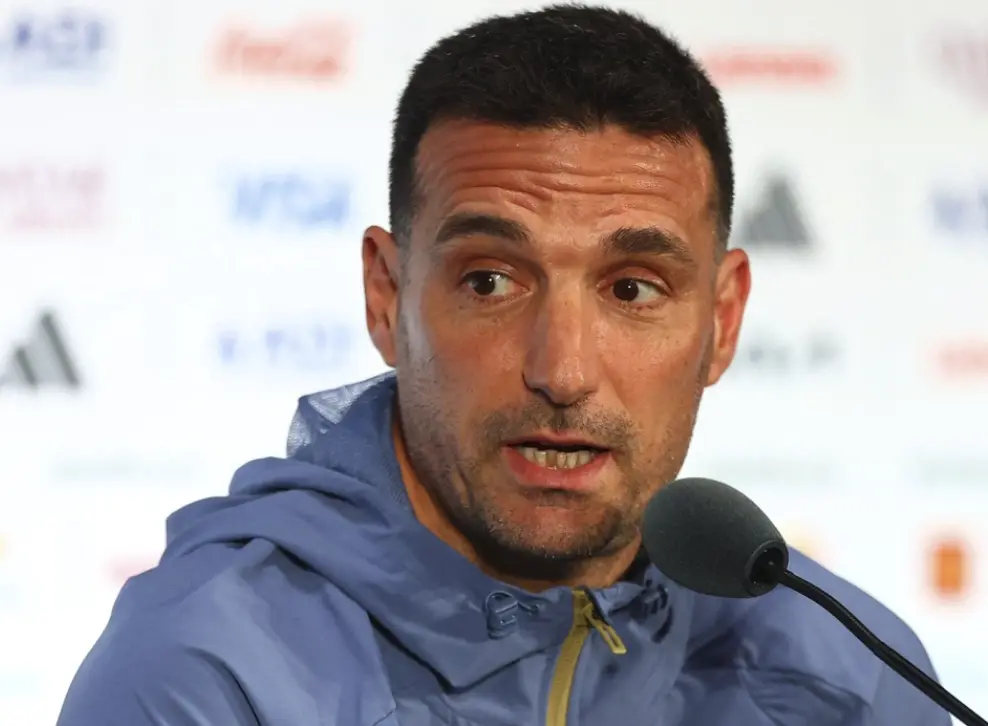
So far, the approach has delivered impressive results. Argentina have survived demanding knockout contests through discipline, patience, and contributions from across the squad while continuing to rely on Messi’s unmatched vision whenever opportunities emerge.
As kickoff approaches, Rooney’s assessment continues generating discussion not because it diminishes Messi’s greatness, but because it highlights one of football’s oldest tactical dilemmas. Should a team ask its greatest player to contribute equally in every phase of the game, or should it build an entire structure that allows exceptional talent to flourish?
For England, finding the correct answer could determine whether they reach another World Cup final. For Argentina, the objective remains exactly the same as it has throughout the tournament: protect their captain, trust the collective strength around him, and allow Messi to decide matches when the biggest moments arrive.
Whatever the outcome, Rooney’s comments have succeeded in doing one thing beyond question—they have added another fascinating tactical storyline to a semifinal that was already destined to capture the attention of football supporters across the world.