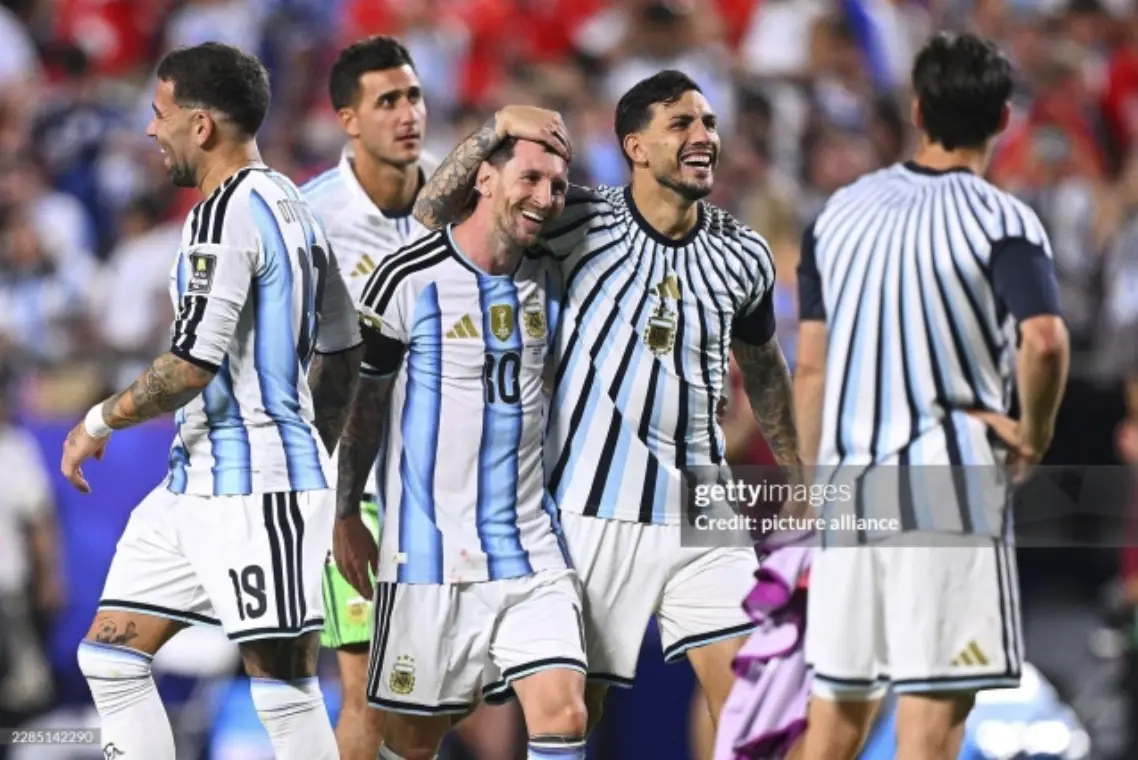
When Argentina walked onto the field for their World Cup quarterfinal against Switzerland, many supporters immediately noticed a small but meaningful detail. Every player, including captain Lionel Messi, wore a black armband, and within minutes social media was filled with one question: what was the story behind the silent tribute?
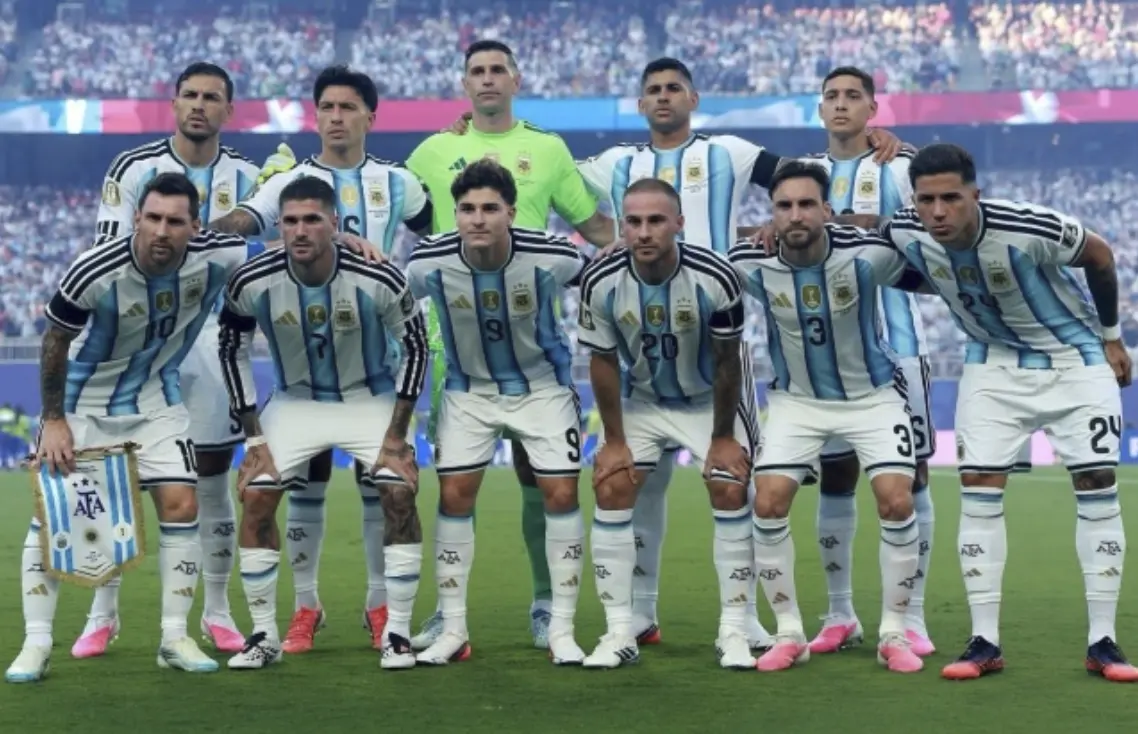
At first glance, the black armband appeared to be a simple symbol of respect, but the meaning behind it carried deep emotional significance for Argentine football.
The tribute honored Antonio Rattín, one of the country’s most respected football figures, who passed away at the age of 89 shortly before the quarterfinal, prompting the Argentine Football Association to request FIFA’s permission for the team to wear mourning armbands during the match.
The request was approved before kickoff, allowing Argentina’s players to honor one of the nation’s historic football icons on one of the sport’s biggest stages. It transformed the quarterfinal into more than a battle for a place in the semifinals, giving the players an opportunity to represent not only their country but also the memory of someone whose influence extended far beyond his own playing career.
For younger football fans, Antonio Rattín may not be as familiar a name as Diego Maradona or Lionel Messi, but within Argentina he remains one of the defining figures of an earlier generation. A legendary Boca Juniors midfielder, he spent his entire professional club career with the Buenos Aires giants and also captained the Argentine national team during an era that helped shape the country’s football identity.
His legacy extends beyond trophies and appearances. Ironically, one of the most famous moments involving Rattín came during the 1966 World Cup quarterfinal against England, where his controversial dismissal exposed communication difficulties between players and referees speaking different languages, eventually contributing to FIFA’s adoption of the yellow and red card system that has become universal in football.
That historical connection added another emotional layer to Argentina’s meeting with Switzerland. As millions watched Messi and his teammates wearing black armbands, many learned for the first time that the man they were honoring had helped shape one of football’s most recognizable features without ever intending to do so.
The tribute quickly became one of the most discussed images of the evening across social media. Supporters from Argentina shared photographs of Rattín’s playing days alongside current images of Messi wearing the black armband, creating a symbolic bridge between generations separated by six decades of football history.
Many fans described the gesture as a reminder that football’s greatest traditions are built on respect as much as competition. While World Cup matches naturally focus on winning and losing, moments like these demonstrate that players also carry the responsibility of preserving the memory of those who helped build the sport before them.
The emotional response was not limited to Argentina. Supporters from many other countries praised the tribute, with countless comments noting that football often provides powerful opportunities to celebrate history while introducing younger audiences to legendary figures they might otherwise never discover.
As television broadcasts explained the reason behind the armbands, interest in Rattín’s career increased dramatically. Highlights from his Boca Juniors years, photographs from the 1962 and 1966 World Cups, and stories about his leadership began circulating widely, giving many younger fans a chance to appreciate his contribution to Argentine football.
Meanwhile, the match itself developed into another unforgettable World Cup contest. Switzerland proved to be disciplined, determined, and exceptionally difficult to break down, forcing Argentina into extra time before the defending champions eventually secured a 3-1 victory through goals from Alexis Mac Allister, Julián Álvarez, and Lautaro Martínez.
Messi once again played an influential role despite not scoring. His delivery from a set piece created Argentina’s opening goal, while his movement and creativity consistently stretched the Swiss defense throughout a tense evening that demanded patience from every member of Lionel Scaloni’s squad.
After the final whistle, attention naturally shifted toward Argentina’s qualification for another World Cup semifinal. Yet many supporters continued discussing the black armbands just as much as the football itself, proving how meaningful symbolic gestures can become during major sporting events.
Social media was filled with heartfelt tributes from former players, journalists, and fans who remembered Rattín’s influence on Argentine football. Some shared personal memories of watching him play, while others reflected on the values of leadership, commitment, and pride that he represented throughout his career.
One reason the tribute resonated so strongly was its simplicity. There were no elaborate ceremonies or lengthy speeches before kickoff, only a quiet visual reminder worn by every Argentine player, allowing the gesture itself to speak more loudly than words ever could.
For Messi, the moment carried particular significance as captain of the national team. Throughout his career he has become the face of modern Argentine football, yet wearing the black armband illustrated another aspect of leadership: recognizing the generations whose achievements created the path that today’s players continue to follow.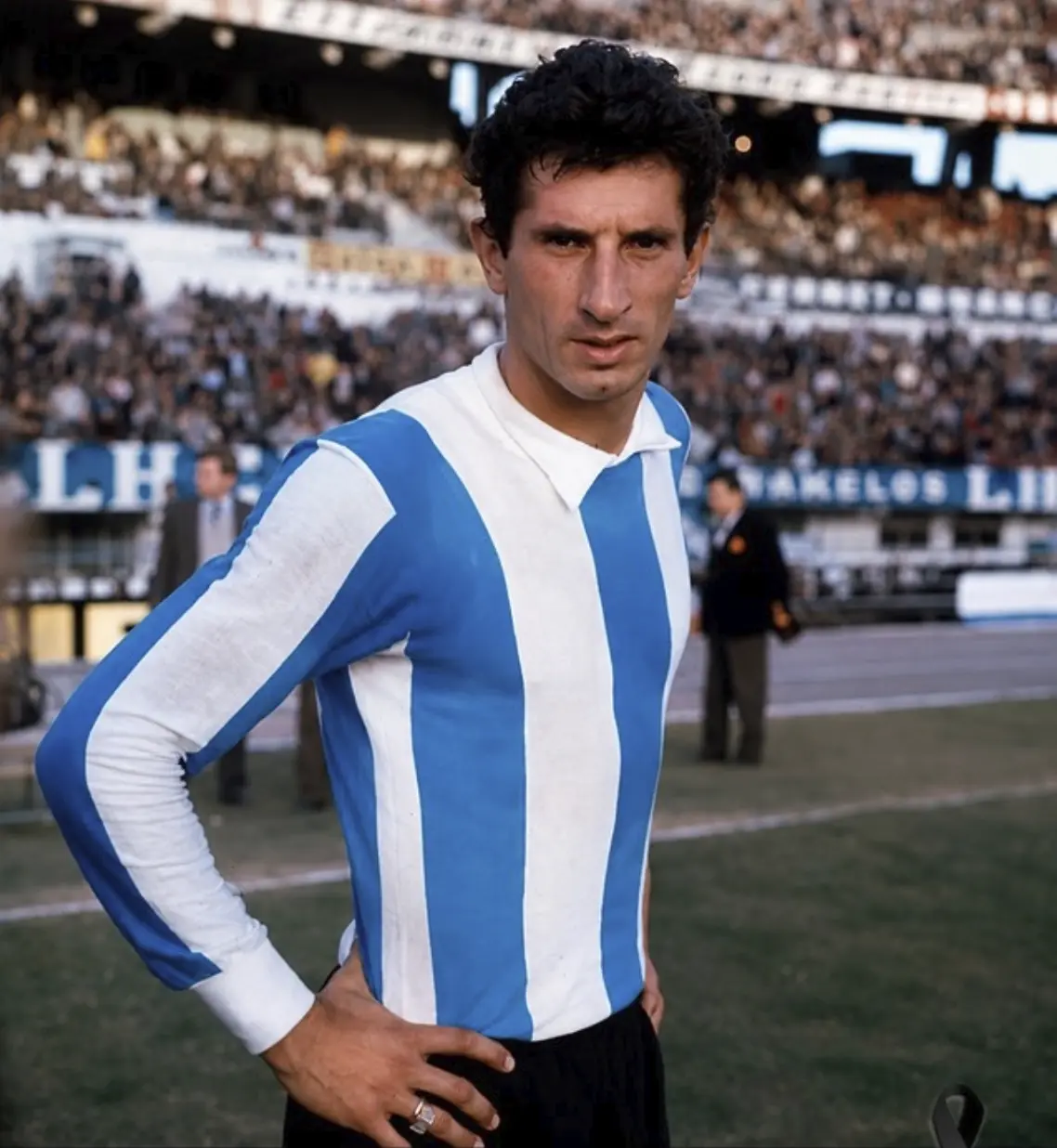
That connection between past and present has always been an important part of Argentina’s football culture. Every new generation grows up inspired by those who came before, creating a continuous tradition where success is measured not only by trophies but also by respect for the nation’s football heritage.
Football historians also pointed out an extraordinary coincidence. The player being honored was forever associated with one of the incidents that eventually influenced modern refereeing through yellow and red cards, while Argentina’s victory over Switzerland featured one of the tournament’s most discussed VAR decisions involving a dismissal.
The connection was entirely accidental, but it added another remarkable historical detail to an already emotional evening.
Supporters appreciated that the team remained focused despite the emotional circumstances. Honoring Rattín did not distract the players from their objective; instead, many believed it provided additional motivation to produce a performance worthy of someone who dedicated his life to Argentine football.
The reactions continued well after the match had ended. Videos explaining Rattín’s career accumulated millions of views, while photographs of Messi wearing the black armband alongside archive images of the legendary midfielder spread rapidly across football communities around the world.
Many younger supporters admitted they had never heard of Antonio Rattín before the quarterfinal. Rather than seeing that as a criticism, they viewed the World Cup tribute as an opportunity to learn more about the rich history behind one of international football’s most successful nations.
Lionel Scaloni’s squad now moves forward with dreams of defending the World Cup title, but the quarterfinal against Switzerland will be remembered for more than the result alone. It became an evening where football celebrated its own history, reminding everyone that behind every great modern team stand generations of players whose dedication continues to inspire those wearing the national shirt today.
In the end, Argentina’s black armbands represented far more than mourning—they symbolized gratitude, continuity, and the enduring bond between the legends of yesterday and the champions striving to write tomorrow’s history.