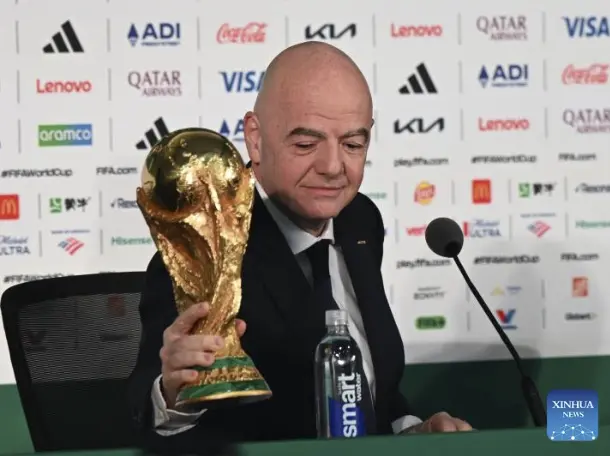
THE TRUTH IS EMERGING LITTLE BY LITTLE! Investigative Journalist Romain Molina Raises Serious Questions About FIFA and the Argentine Football Association After New Financial Allegations Surface – The Story May Be Far From Over

Football has always been a sport capable of creating unforgettable moments, and Argentina’s triumph at the 2022 FIFA World Cup remains one of the greatest achievements in modern football. Yet nearly four years later, conversations surrounding that historic success have unexpectedly shifted away from the pitch and toward financial questions that are attracting international attention.
The latest wave of discussion began after French investigative journalist Romain Molina published a lengthy investigation examining financial transactions linked to the Argentine Football Association (AFA). His report quickly spread across social media, with fans, journalists, and football observers debating the claims while waiting to see whether official investigations will provide further answers.
One of the central allegations involves the commercial revenues generated after Argentina’s World Cup victory. According to Molina, a significant portion of money connected to FIFA prize payments, sponsorship income, and other commercial rights was reportedly transferred through a company based in Miami instead of flowing directly into AFA accounts.
The company at the center of the discussion has become one of the biggest talking points online. Molina alleges that it was created only a short time before Argentina lifted the World Cup trophy and was granted unusually favorable commercial arrangements despite having little previous experience in football marketing. Those allegations have not been confirmed by FIFA or the AFA, but they have generated widespread interest among football followers.
What has made the story grow even faster is the timing. Argentina is once again competing on the biggest international stage, meaning every development involving the federation receives enormous public attention, especially with Lionel Messi’s generation still occupying the spotlight.
Social media platforms have reacted in very different ways. Some supporters argue that the financial questions should remain completely separate from what the players achieved on the field, insisting that nothing can diminish Argentina’s performances throughout the tournament.
Others believe the allegations deserve careful examination regardless of the team’s sporting success. Their argument is simple: if questions exist regarding football governance or financial transparency, they should be addressed through proper legal and investigative channels rather than ignored because of emotional attachment to a historic victory.
Molina is hardly an unfamiliar figure in world football. Over the past decade he has built a reputation for publishing investigations into football administration, governance, and safeguarding issues across several countries, with some of his previous reporting later leading to official inquiries or disciplinary actions.
His latest investigation also expands beyond financial matters. According to his reporting, he raises broader concerns about governance within Argentine football and questions whether football authorities responded adequately to previous complaints involving youth football. These are allegations presented by Molina and remain separate from any official legal conclusions.
The financial aspect, however, has attracted the greatest attention because of reports that U.S. authorities have also been examining banking activities connected to the AFA. Recent media reports state that federal investigators have been reviewing hundreds of millions of dollars in transactions linked to the United States, although no criminal findings have been publicly announced at this stage.
Those reports have naturally increased public curiosity about the Miami connection mentioned by Molina. While the journalist’s investigation and the reported U.S. inquiry are not identical, many observers have noticed that both discussions involve commercial structures and financial movements connected to South Florida.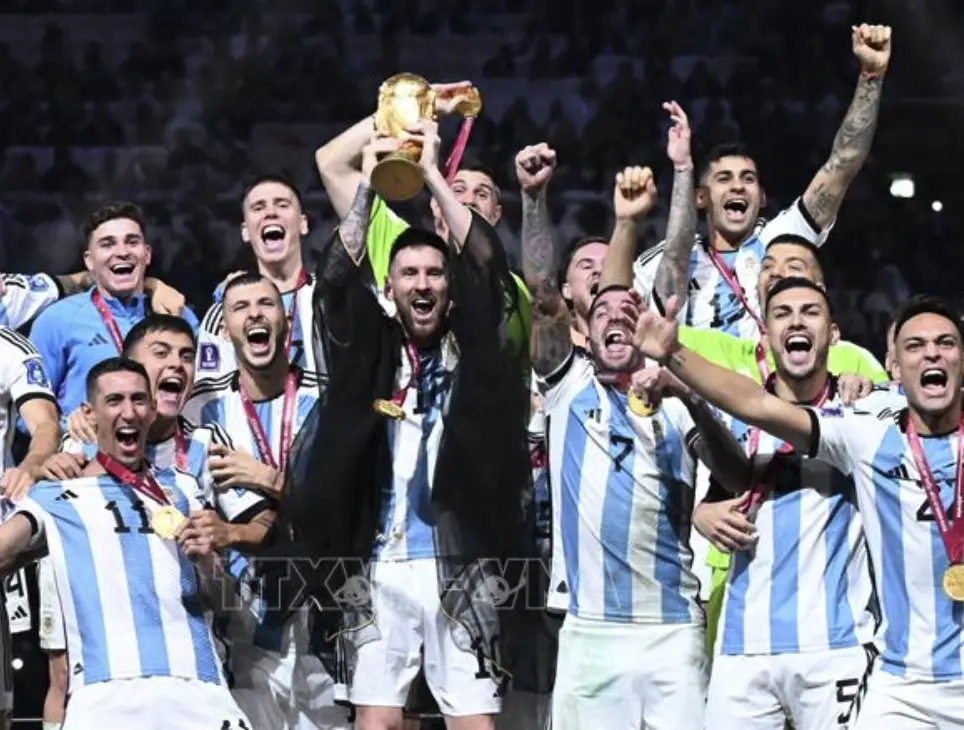
Neither FIFA nor the AFA has publicly confirmed Molina’s allegations as factual. That distinction remains important because investigations published by journalists are different from conclusions reached by courts or regulatory bodies, and the football community continues to wait for any official findings that may emerge.
This measured approach has been reflected by many football reporters as well. Rather than declaring guilt or innocence, numerous analysts have encouraged supporters to distinguish between verified facts, ongoing investigations, and allegations that still require evidence before firm conclusions can be reached.
For many fans, the situation also revives memories of previous governance controversies involving international football. Over the past decade FIFA has introduced numerous reforms intended to strengthen transparency, ethics oversight, and integrity procedures following earlier corruption scandals that significantly affected public confidence.
Ironically, FIFA has continued emphasizing integrity initiatives ahead of the 2026 World Cup, highlighting expanded monitoring systems and cooperation with international partners designed to protect the competition from corruption and other integrity risks.
That broader context explains why Molina’s latest publication has generated such strong reactions. Supporters are not only discussing Argentina but also asking wider questions about how football’s governing institutions oversee enormous commercial revenues generated by the world’s biggest sporting events.
At the same time, many Argentina fans have expressed concern that ongoing off-field discussions could overshadow one of the country’s greatest football eras. They point out that players and coaching staff delivered extraordinary performances during Qatar 2022, achievements that remain fully documented on the pitch regardless of any administrative questions.
Others believe transparency ultimately protects football rather than harms it. Their view is that if investigations eventually confirm wrongdoing, accountability strengthens the sport, while if allegations are disproved, official clarification can restore confidence among supporters.
The coming months may therefore prove significant. If American authorities continue examining financial records or if football governing bodies choose to review the claims in greater detail, additional information could become available through official channels.
Until then, much of the conversation remains centered on documents, reported financial structures, and competing interpretations rather than confirmed judicial outcomes. That distinction is essential in understanding why this story continues to evolve rather than reaching a definitive conclusion.
What seems certain is that Molina’s investigation has reignited debate about transparency in football administration at a time when the sport enjoys unprecedented global popularity. Whether the allegations ultimately lead to formal action or are eventually challenged through evidence, they have already sparked a wider conversation about accountability inside football’s most influential institutions.
For now, supporters around the world continue watching two very different matches unfold simultaneously. One takes place on the football field, where Argentina continues chasing new achievements, while the other unfolds behind the scenes, where investigators, journalists, governing bodies, and the public all wait to discover whether the full story has yet been told.