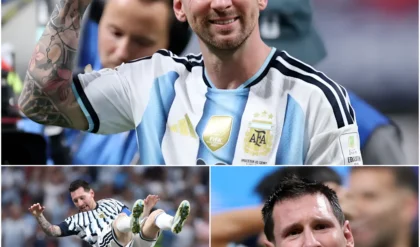
Behind every successful football team, there is usually a leader whose influence goes far beyond tactics, formations, and match results. For Argentina, that figure has been Lionel Scaloni, a coach whose emotional personality and unusual approach to leadership have become just as memorable as the trophies he has helped the nation achieve. Known by many supporters through the nickname “the man who cries,” Scaloni’s emotional moments have often attracted attention, but the deeper story behind those tears reveals a completely different perspective on what modern leadership in football can look like.
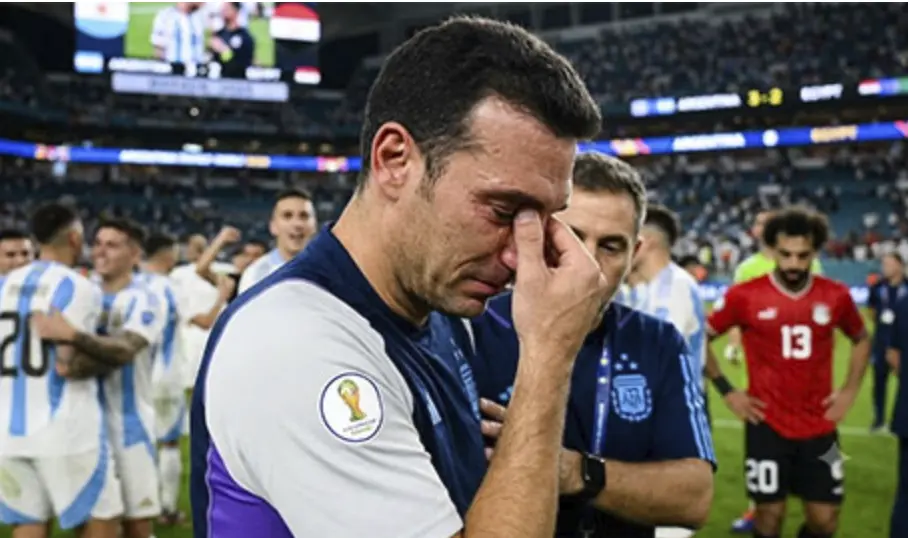
When images of Scaloni showing strong emotions began appearing during Argentina’s most important moments, many fans were immediately surprised. In a sport often associated with toughness, confidence, and the idea that coaches must always appear fearless, Scaloni presented something different: a manager who openly showed how much the national team meant to him.
Those moments quickly became part of Argentina’s football story. Supporters shared videos and photos across social media platforms, discussing not only the emotions themselves but also what they represented about the connection between the coach, his players, and millions of fans.
For many Argentina supporters, Scaloni’s tears were never viewed as weakness. Instead, they became a symbol of passion and commitment. Fans argued that someone who feels victories and defeats so deeply is often someone who understands the responsibility of representing an entire nation.
The nickname associated with his emotions gained popularity because of these visible reactions. However, behind that public image was a coach who built his reputation through careful planning, humility, and an ability to create a strong bond within the Argentina squad.
When Scaloni took charge of Argentina, the team was searching for stability after difficult years. Expectations were enormous, pressure from supporters was intense, and many questioned whether a relatively young coach could guide the national team back to the highest level.
Rather than responding with dramatic promises, Scaloni focused on rebuilding the team’s identity. He created an environment where players felt trusted, young talents were given opportunities, and experienced figures were encouraged to contribute their leadership.
That approach eventually transformed Argentina. The squad developed a reputation for unity, resilience, and emotional strength, qualities that became especially visible during major tournaments.
Many fans believe Scaloni’s greatest achievement was not only changing tactics but also changing the atmosphere around the national team. He helped create a group where players were willing to fight for one another, where individual achievements became secondary to collective goals.
Lionel Messi’s relationship with Scaloni became one of the most discussed examples of that transformation. After years of disappointment with Argentina, Messi finally found a coach who understood how to maximize his influence while also building a team around him.
Scaloni never treated Messi as the only solution. Instead, he created a structure where the captain could lead naturally while teammates shared responsibility. This balance became one of the foundations of Argentina’s success.
Former players and analysts have frequently praised Scaloni’s ability to manage personalities. Coaching a national team filled with global stars requires more than tactical knowledge; it requires emotional intelligence and the ability to unite players who come from different clubs and backgrounds.
That emotional intelligence is often connected to the moments when Scaloni became visibly moved. Supporters saw those reactions as evidence that he was not simply managing a football project but representing something much larger.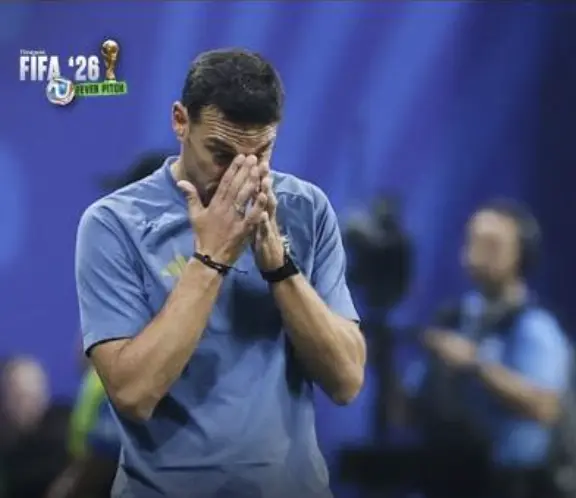
The coach’s emotional side also helped him connect with ordinary fans. Many supporters felt that Scaloni reflected their own feelings when Argentina achieved historic victories. His celebrations appeared genuine because they showed the personal meaning behind those achievements.
On social media, many Argentina fans highlighted the contrast between Scaloni’s calm personality during matches and his emotional reactions after major moments. During games, he often appears focused and analytical, but after the pressure disappears, his feelings become impossible to hide.
That combination has become one of his defining characteristics. He can be a strategist on the sideline while remaining someone who openly values the human side of football.
Football experts often emphasize that successful teams require more than technical preparation. Confidence, trust, and psychological connection can determine outcomes during the most intense moments.
Scaloni’s leadership style reflects that belief. He has consistently shown that vulnerability and strength are not opposites. A coach can display emotion while still making difficult decisions, demanding high standards, and maintaining authority inside the dressing room.
Many young coaches have looked at Scaloni’s journey as an example of a different approach to management. His success challenges the traditional image of the football manager as someone who must always appear distant and unemotional.
Instead, Scaloni demonstrated that authenticity can become a powerful leadership tool. Players often respond positively when they believe their coach genuinely understands their experiences and shares their ambitions.
Argentina’s recent achievements have made Scaloni one of the most respected figures in international football. Yet those close to the team often point to his personality as the reason behind his success.
The coach’s emotional moments have become unforgettable because they reveal the human story behind the trophies. Behind the celebrations, medals, and historic victories are years of pressure, criticism, sacrifice, and belief.
For Messi supporters, Scaloni represents a crucial chapter in the captain’s international career. Many believe that without Scaloni’s understanding and leadership, Argentina’s golden generation might not have reached the heights it achieved.
The partnership between Messi and Scaloni has become one of the most important stories in modern football. One provided extraordinary talent and experience, while the other created the environment where that talent could flourish.
As Argentina continues competing on the biggest stages, attention will remain on both the team’s performances and the emotions that surround them. Every victory carries memories of previous struggles, and every celebration reflects years of hard work.
Scaloni’s nickname may have started because of his tears, but supporters now see a deeper meaning behind it. Those emotions represent dedication, pride, and the enormous responsibility of leading one of football’s most passionate nations.
In an era where football is often dominated by statistics, tactics, and commercial discussions, Scaloni’s story reminds fans that the sport is still built on human connections. His tears became a symbol not of vulnerability, but of how deeply he cared about the team, the players, and the millions of Argentines who believed in their journey.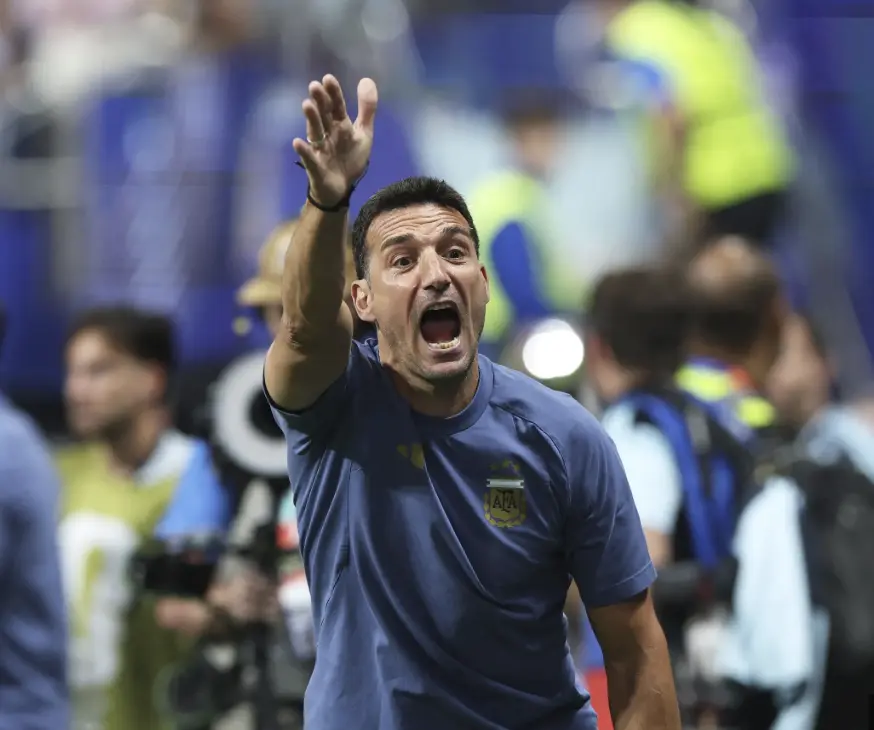
That emotional connection remains one of the strongest reasons why Lionel Scaloni’s story continues inspiring football supporters around the world. The man once known simply for showing his emotions has become remembered as the coach who proved that heart, trust, and authenticity can be just as powerful as any tactical plan.