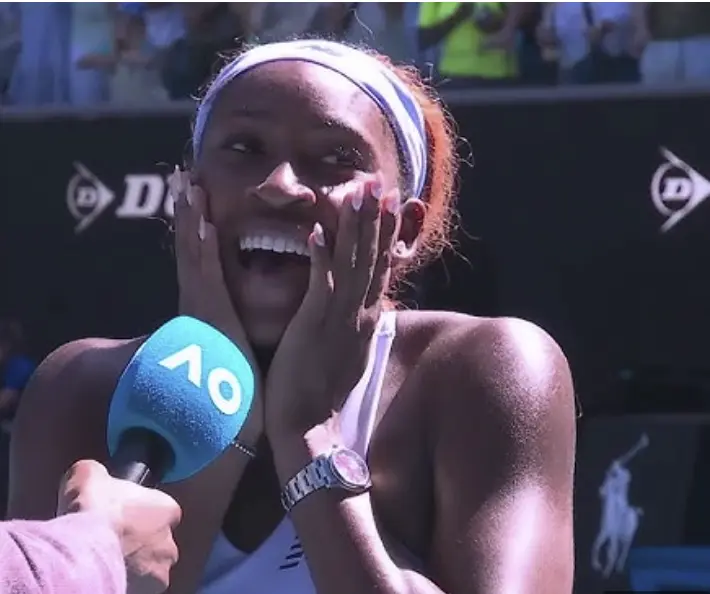
Coco Gauff arrives at Wimbledon 2026 with a noticeably different outlook from previous seasons, and that shift in mentality has become one of the biggest talking points surrounding her campaign. After years of describing grass as the most challenging surface in her game, the American star now believes she is finally beginning to understand how to compete effectively on it, giving fans fresh optimism while also fueling debate about whether this confidence can translate into results.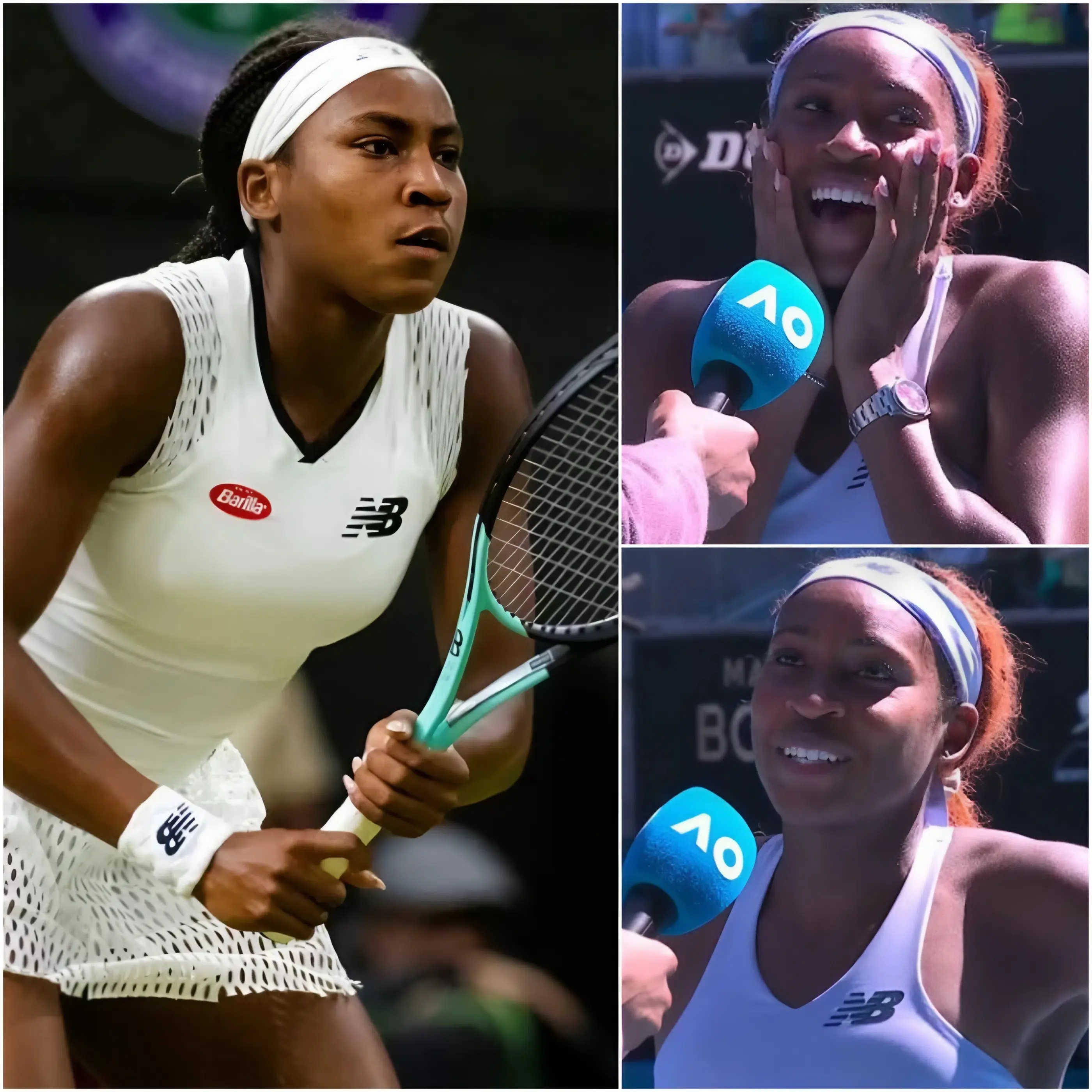
Coco Gauff has already accomplished more than many players achieve in an entire career. Grand Slam success, major WTA titles, and a place among the world’s elite have established her as one of the faces of American tennis, yet Wimbledon has continued to present a unique challenge unlike any other tournament on the calendar.
For several seasons, Gauff openly admitted that grass never felt completely natural to her. The quick pace, lower bounce, and shorter rallies demanded adjustments that did not always complement the style of tennis that helped her become one of the best players in the world.
This year, however, the conversation has changed. Rather than focusing on what she dislikes about grass, Gauff has begun speaking about the improvements she has made and the confidence she has gradually developed through experience. That change in tone has immediately caught the attention of both fans and analysts.
Across social media, American supporters have welcomed the new mindset with enthusiasm. Many believe that confidence is one of the final ingredients Gauff needs to unlock her full potential at Wimbledon, especially after proving herself capable of winning on both hard courts and clay.
Others remain more cautious. Some tennis observers argue that confidence alone cannot erase the unique difficulties presented by grass courts, particularly against experienced opponents who have spent years mastering movement and point construction on the surface.
The debate has become one of the most interesting storylines heading into the tournament. Is this simply another optimistic pre-Wimbledon statement, or does it signal a genuine breakthrough in Gauff’s understanding of grass-court tennis?
Those who have followed her career closely point to several encouraging signs. Over the past year, Gauff has continued refining her serve, becoming more aggressive behind her first delivery while reducing unnecessary risks during important moments.
Her transition game has also improved significantly. Instead of relying exclusively on defensive skills from the baseline, she has become increasingly willing to move forward, finish points at the net, and shorten rallies when opportunities appear.
Those tactical developments are particularly important on grass. The surface rewards players who can recognize attacking chances quickly rather than allowing opponents to dictate short exchanges.
Former players have repeatedly explained that success at Wimbledon is rarely achieved through dramatic changes made in a single week. Instead, it comes from years of gradual adaptation, learning how the ball reacts on grass, improving footwork, and becoming comfortable making faster decisions under pressure.
That perspective has encouraged many American fans who believe Gauff’s recent comments reflect genuine progress rather than empty optimism. They see a player who understands her previous weaknesses and has actively worked to improve them instead of avoiding difficult conversations.
Online discussions have highlighted another important factor: maturity. Gauff is no longer the teenage sensation who first stunned Wimbledon several years ago. She now enters tournaments with far greater experience, having competed in multiple Grand Slam finals and handled the pressure of being one of the biggest stars in women’s tennis.
Experience often changes how players approach grass. Rather than trying to force spectacular tennis immediately, veterans frequently emphasize patience, accepting awkward bounces, and trusting their preparation over the course of an entire match.
Many analysts believe this growing patience could become one of Gauff’s greatest strengths. Her athletic ability has never been questioned, but combining that physical talent with greater tactical discipline could make her far more dangerous on grass than in previous seasons.
Social media conversations have reflected both excitement and skepticism. Supporters argue that every champion reaches a moment when confidence suddenly matches ability, and they wonder whether this could be Gauff’s turning point at Wimbledon.
Others prefer to wait for results before embracing that narrative. They point out that grass remains the shortest part of the professional calendar, meaning even small mistakes can quickly become costly against experienced opponents.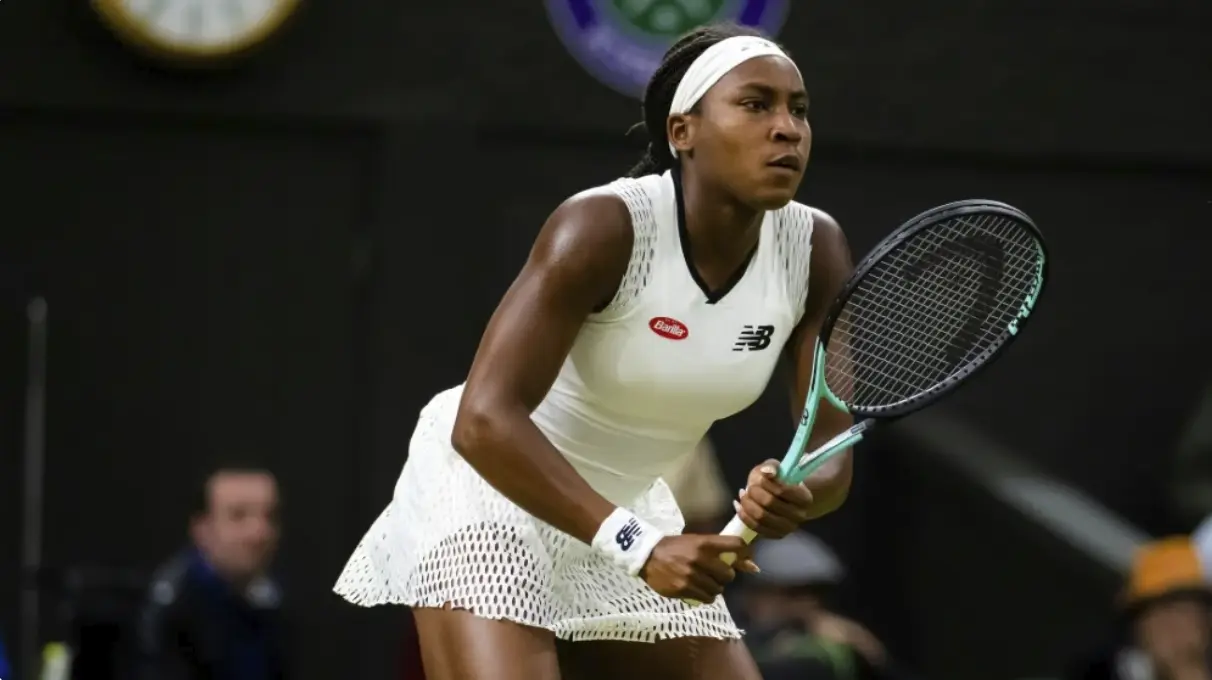
Regardless of the differing opinions, there is widespread respect for Gauff’s honesty. Instead of pretending she has always loved grass, she has openly acknowledged the learning process while expressing genuine belief that her relationship with the surface is beginning to change.
That honesty has resonated with many fans because it reflects the reality of professional sport. Even elite athletes continue learning throughout their careers, and progress often comes through gradual adjustments rather than overnight transformations.
Another encouraging aspect is Gauff’s willingness to embrace challenges instead of fearing them. Throughout her career, she has repeatedly responded to setbacks by returning stronger, whether after difficult defeats or periods of intense public scrutiny.
That resilience has become one of her defining qualities. It is also one reason why many experts hesitate to place limitations on what she might accomplish at Wimbledon despite previous struggles on grass.
Attention has also turned toward her draw and potential path through the tournament. Every Grand Slam presents difficult opponents, but supporters believe that an early victory could provide exactly the confidence needed to build momentum throughout the fortnight.
Momentum has always played a major role at Wimbledon. Players who begin strongly often find themselves growing more comfortable with each passing match, while those who struggle early rarely have enough time to adjust before facing elite competition.
For Gauff, that reality creates both pressure and opportunity. A positive start could completely reshape the conversation surrounding her grass-court abilities, replacing years of questions with renewed belief in her championship potential.
American fans have also noticed subtle changes in her body language during recent practice sessions and interviews. She appears more relaxed, more willing to discuss her development, and more confident in the work completed behind the scenes leading into Wimbledon.
While confidence cannot guarantee victories, it often influences decision-making during critical moments. Players who trust their preparation tend to commit fully to important shots, while hesitation can become costly on the fastest surface in tennis.
The broader tennis community recognizes that Gauff remains one of the sport’s brightest young stars regardless of this year’s Wimbledon outcome. Nevertheless, the Championships offer another opportunity to demonstrate that her evolution continues across every aspect of her game.
As the tournament begins, attention will gradually shift from predictions to performances. Every service game, every return, and every difficult moment will contribute to answering whether Gauff’s new belief on grass represents a genuine breakthrough or simply another step in an ongoing journey.
Ultimately, this year’s Wimbledon feels different because the narrative surrounding Coco Gauff has changed. Instead of talking about a player trying to survive on her least favorite surface, fans are watching an athlete who genuinely believes she belongs there. Whether that confidence leads to the deepest Wimbledon run of her career remains to be seen, but one thing is already clear: the conversation has shifted from doubt to possibility, and that alone marks significant progress for one of American tennis’ brightest champions.