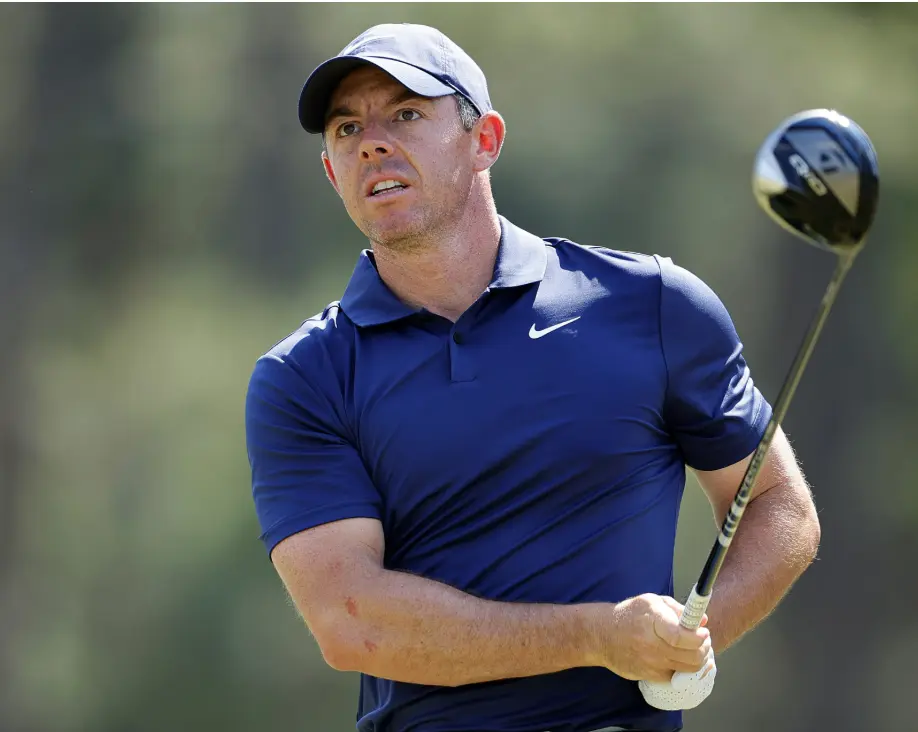
Rory McIlroy has once again found himself at the center of one of golf’s biggest conversations, not because of a tournament victory or a dramatic final-round performance, but because of a fresh idea that could reshape how the sport’s top players compete against one another. As discussions surrounding the future relationship between the PGA Tour and LIV Golf continue, McIlroy has suggested a new approach that many believe could give fans more of the elite matchups they have been asking for while preserving the importance of golf’s traditional championships.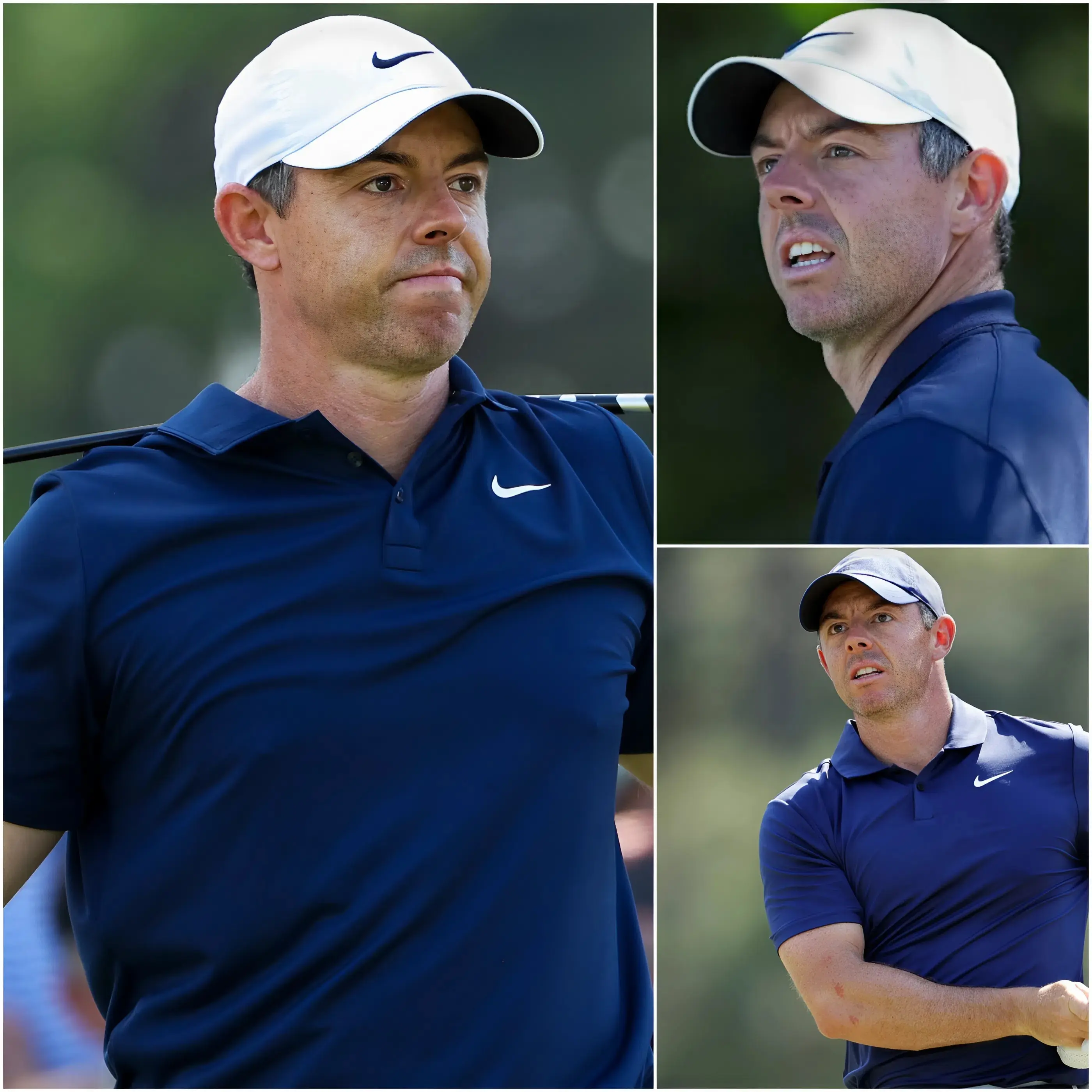
Rather than focusing on the divisions that have dominated professional golf over the past several years, McIlroy’s proposal looks toward creating more opportunities for the strongest fields to compete together. His comments reflect a growing belief that golf benefits most when the world’s best players share the same stage more often, allowing rivalries to develop naturally instead of being limited to only a handful of major championships each season.
The proposal centers around expanding the number of high-profile events where elite players can face one another, creating a schedule that offers fans more meaningful competitions without replacing the existing major championships. McIlroy explained that the current calendar already produces tremendous moments, but there is still room to create additional events that capture the excitement generated whenever the game’s biggest names compete in the same tournament.
His vision immediately attracted attention because it arrives during an important period for professional golf. The PGA Tour and LIV Golf have spent the past few years navigating significant changes, and while conversations about the sport’s long-term structure continue behind the scenes, players, fans, and tournament organizers remain eager to see more regular competition featuring the deepest possible fields.
McIlroy acknowledged that golf has reached a point where supporters naturally want to watch the best players compete against each other more frequently. Instead of allowing discussions to remain focused solely on organizational differences, he believes the emphasis should return to competition itself. His comments suggest that memorable tournaments, compelling leaderboards, and great rivalries are ultimately what sustain long-term fan interest.
One element that has resonated with many observers is the practical nature of the proposal. Rather than calling for sweeping changes across the entire professional golf calendar, McIlroy discussed the possibility of introducing a select group of additional elite tournaments that could fit alongside the majors and existing flagship events. Such an approach would preserve tradition while offering fresh opportunities for high-level competition.
Across golf communities and social media, reaction has been largely centered on the potential benefits of seeing stronger fields assembled more often. Many fans welcomed the idea, noting that the sport reaches another level of excitement whenever leading PGA Tour stars and LIV Golf players compete in the same event.
Others pointed out that increased competition would create more memorable storylines throughout the season instead of concentrating anticipation around only four major championships.
Not every reaction has been identical, however. Some supporters remain cautious about altering an already demanding professional schedule, believing that maintaining the prestige of existing tournaments should remain the highest priority. Others see McIlroy’s proposal as an opportunity to strengthen the calendar without diminishing the importance of golf’s traditional championships, provided any new events are introduced carefully.
Golf analysts have also highlighted that McIlroy’s comments reflect a broader evolution in his public approach to the future of professional golf.
Earlier discussions often focused on differences between competing tours, whereas his recent remarks place greater emphasis on finding practical ways to improve the experience for players and spectators alike. That shift has been noticed by many followers who believe the conversation has gradually become more constructive.
The timing of these discussions is particularly significant because professional golf continues adapting to one of the most transformative periods in its modern history. New competitive formats, evolving schedules, and changing commercial partnerships have all influenced how the sport is presented to audiences around the world. Against that backdrop, proposals aimed at increasing elite competition naturally attract considerable attention.
McIlroy also emphasized that any successful solution should keep the players’ interests in mind while delivering compelling tournaments for fans. Elite golfers already compete in a physically and mentally demanding schedule, making balance an essential part of any future calendar adjustments. His comments suggest that quality should remain more important than simply increasing the number of events.
Another reason the proposal has generated discussion is McIlroy’s own position within the game. As one of golf’s most accomplished players and one of its most recognizable voices, his opinions often carry influence beyond his own playing career. Whether speaking about equipment, scheduling, or the future direction of professional golf, his perspective frequently becomes part of wider conversations throughout the sport.
Many observers believe the idea also reflects what television audiences have consistently demonstrated over recent years. Events featuring the strongest fields tend to attract the greatest interest because they provide direct comparisons between the sport’s leading players. More opportunities for those matchups could help maintain momentum throughout the season while creating additional signature moments outside the majors.
Fans discussing the proposal online have frequently pointed to the excitement generated whenever major championships bring together players from different tours. Those weeks often produce some of the year’s most memorable leaderboards, with rivalries developing naturally through competition rather than headlines. McIlroy’s concept attempts to capture more of that energy without fundamentally changing what makes the majors unique.
There is also recognition that implementing any new series of elite tournaments would require cooperation across multiple organizations. Scheduling, qualification criteria, player commitments, and commercial agreements would all need careful consideration before such a vision could become reality. Even so, many within the golf community appreciate that discussions are increasingly centered on possibilities instead of divisions.
Beyond the immediate proposal itself, McIlroy’s comments highlight an important theme about the future of professional golf. The game’s greatest strength has always been the quality of its competition, and maintaining opportunities for the world’s best players to challenge one another remains essential for sustaining fan enthusiasm.
Creating additional occasions for those battles could help write a new chapter without diminishing the traditions that have defined the sport for generations.
As conversations continue throughout the season, McIlroy’s proposal has become another significant contribution to the ongoing discussion about where professional golf is heading. Whether every aspect of the idea is eventually adopted or simply influences future planning, it has already encouraged players, analysts, and fans to think beyond the current divisions and focus instead on what makes the sport most compelling.
In the end, the strongest message behind his vision is straightforward: golf is at its very best when the biggest names compete together, and finding more opportunities for those moments may ultimately benefit everyone who loves the game.