The conversation surrounding the 2026 FIFA World Cup has already intensified despite the tournament still being months away. Every new international window, every major tournament, and every standout individual performance seems to reshape the list of favorites, leaving football supporters eager to debate which nation truly deserves to be considered the team to beat.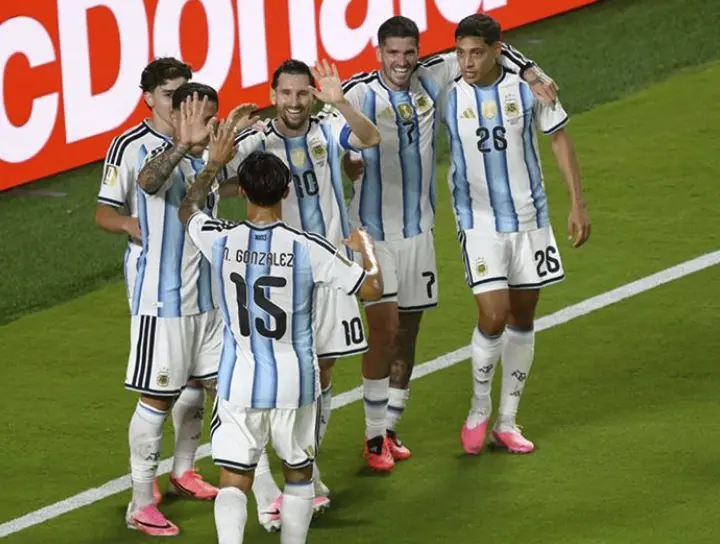
For many years, France has remained one of the most consistent national teams in world football. Their remarkable depth across every position has allowed them to remain competitive regardless of injuries or squad rotation, giving head coach Didier Deschamps an enviable selection of world-class talent.
France’s recent success has not been built around one player alone. Instead, it has come from a balanced squad capable of defending with discipline, controlling possession when necessary, and attacking with pace through a new generation of talented forwards and midfielders.
That consistency explains why many football analysts continue to place France at or near the top of World Cup predictions. Their experience in knockout football and ability to perform under pressure have repeatedly separated them from many of their rivals.
Spain has quietly established itself as another serious contender. Following several years of rebuilding, the Spanish national team has combined its traditional passing philosophy with greater intensity, athleticism, and tactical flexibility.
Young players have stepped confidently into important roles while experienced veterans continue to provide leadership in decisive moments. As a result, Spain has once again become one of Europe’s most balanced teams entering a major tournament.
Argentina enters the World Cup carrying the confidence that only defending champions possess. Winning the previous tournament created a culture of belief throughout the squad, and many of the players responsible for that historic success remain important contributors today.
Even with changes to the squad over recent years, Argentina continues to demonstrate remarkable tactical organization. The team has consistently shown the ability to defend patiently before capitalizing on opportunities through intelligent movement and clinical finishing.
Supporters also believe Argentina benefits from invaluable tournament experience. Players who have already lifted football’s biggest trophy understand the pressure of knockout matches better than most, making them dangerous opponents regardless of their position in any prediction model.
England once again finds itself among the leading candidates. With talented players competing for some of Europe’s biggest clubs, England possesses one of the deepest attacking groups in international football.
The challenge for England has never been talent alone. Instead, supporters hope the current generation can finally transform its potential into a major international trophy after coming close in several recent tournaments.
One reason the debate remains so fascinating is that every contender offers a different strength. France possesses exceptional squad depth, Spain continues to impress through technical quality, Argentina relies on championship experience, while England combines youth with established international performers.
Football supporters have naturally taken these discussions to social media. Rather than focusing only on betting odds, many fans have compared recent performances, tactical approaches, defensive records, and the ability of each nation to handle pressure during major competitions.
Some supporters argue that France deserves to be considered the favorite because of its remarkable consistency over multiple tournaments. Others believe Argentina should never be underestimated as defending champions, pointing to the resilience and unity that carried the team to international success.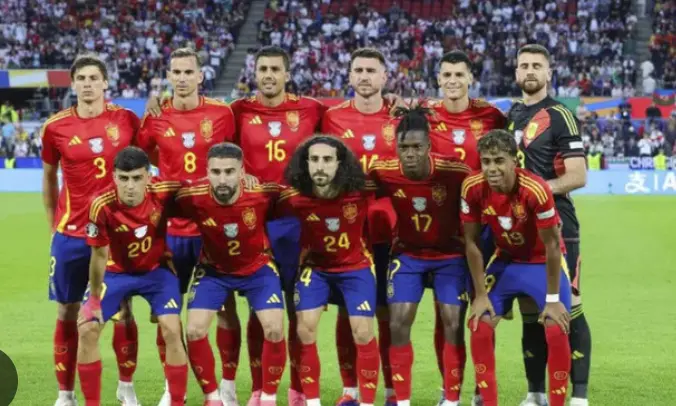
Spain has also attracted growing admiration among neutral supporters. Many observers believe the team’s blend of exciting young talent and experienced leadership makes it capable of defeating any opponent on its day.
England continues to divide opinion. While some believe this generation finally has everything required to win the World Cup, others remain cautious after previous tournaments ended in disappointment despite high expectations.
Another important factor will be player fitness. Major tournaments often reward teams that arrive with healthy squads, and injuries to one or two key players can completely change the balance of the competition before the opening match even begins.
Managers will also play a decisive role. Tactical adjustments, substitutions, and preparation for knockout football frequently determine which teams advance when the margins between elite nations become incredibly small.
Recent international fixtures have demonstrated just how competitive the world’s leading teams have become. Matches between Europe’s strongest nations and South America’s traditional powers are increasingly decided by fine details rather than overwhelming dominance.
That reality makes predictions more difficult than ever before. Rankings and betting markets provide useful guidance, but history repeatedly reminds football fans that major tournaments often produce unexpected stories.
Emerging nations are improving every year, creating additional challenges for the established favorites. Teams can no longer expect straightforward victories simply because of their reputation, forcing every contender to maintain the highest standards from the opening group-stage match.
Supporters understand this unpredictability better than anyone. While discussions about favorites generate excitement before the tournament begins, everyone recognizes that momentum can change dramatically after only one memorable performance or one surprising result.
The World Cup has always rewarded teams capable of adapting to different opponents and different styles of football. Tactical flexibility, mental strength, and squad depth frequently become just as important as individual brilliance over the course of a month-long competition.
Whether France ultimately justifies its status as one of the leading favorites remains to be seen. Spain, Argentina, England, and several other ambitious nations all possess enough quality to dream realistically about lifting football’s most prestigious trophy.
Until the opening whistle is blown, debates will continue across television studios, football podcasts, and online communities around the world. What everyone can agree on is that the race for the 2026 FIFA World Cup promises to be one of the most competitive in recent memory, ensuring that every match will attract enormous attention from supporters eager to discover which nation truly deserves to stand at the top of world football.