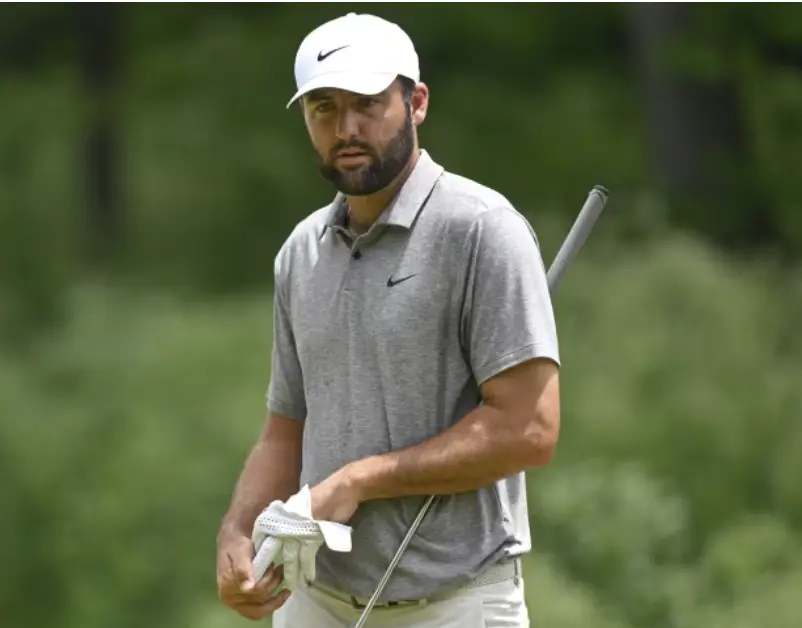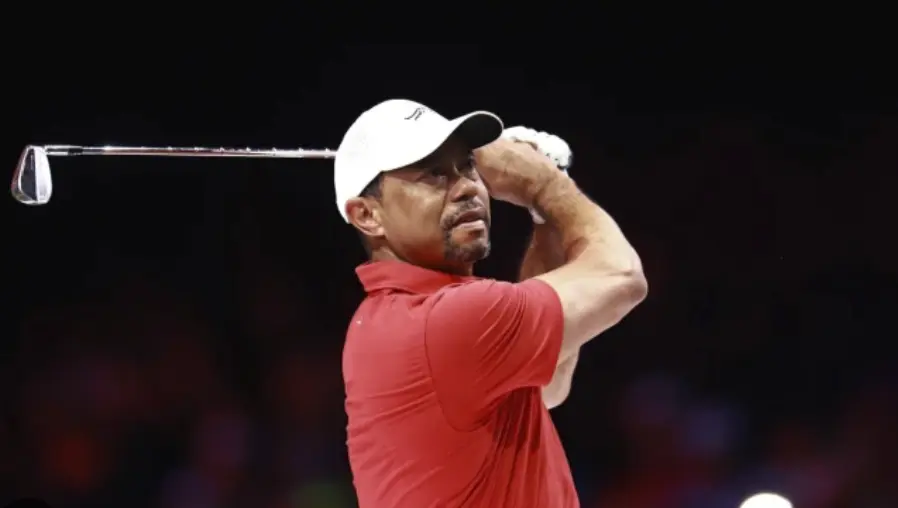
Scottie Scheffler rarely speaks in a way that creates headlines beyond his golf, which is why his recent comments comparing today’s PGA Tour schedule with Tiger Woods’ era immediately attracted so much attention. Rather than criticizing the current system, Scheffler offered a thoughtful perspective on how different generations of golfers face very different challenges.
His remarks quickly spread across golf media and social platforms throughout the United States. Fans began debating whether modern players truly have the same opportunity to dominate the sport over long periods as Tiger Woods once did.
Scheffler explained that the PGA Tour calendar has changed significantly over the years. Between Signature Events, FedExCup commitments, major championships and international obligations, today’s elite players face an increasingly demanding schedule.
That observation immediately reminded many fans of Woods’ remarkable consistency during the peak of his career. Tiger often selected tournaments strategically, allowing himself to arrive physically and mentally prepared for the biggest events on the calendar.
Scheffler emphasized that every era presents unique circumstances. Instead of suggesting one generation had it easier than another, he acknowledged that the structure surrounding professional golf has evolved considerably.
Those comments resonated with players and fans alike. Many appreciated that the world No. 1 avoided making direct comparisons while still recognizing the extraordinary demands placed on today’s professionals.
Golf discussions across social media soon expanded beyond Scheffler’s original remarks. Supporters began comparing tournament schedules from different decades, highlighting how television contracts, sponsor commitments and expanded global competition have transformed the sport.
Some fans argued that modern golfers compete under far greater travel demands. Others pointed out that Tiger Woods often carried a different type of pressure, serving as the global face of golf while dominating nearly every major championship conversation.
The debate itself reflected one of golf’s favorite traditions. Every generation naturally compares today’s stars with the legends who came before them, searching for ways to measure greatness across different eras.
Scheffler never claimed that today’s schedule makes winning impossible. Instead, he suggested that maintaining peak performance throughout an entire season requires careful planning and disciplined decision-making.
That approach has become increasingly important for elite golfers. Physical recovery, mental preparation and workload management now play larger roles than ever before in determining long-term success.
Tiger Woods himself often spoke about the importance of choosing tournaments wisely. Throughout much of his career, he focused on arriving fully prepared for majors rather than simply playing every available event.
Many analysts believe that strategy contributed significantly to his sustained excellence. His ability to prioritize major championships became one of the defining characteristics of his legendary career.
Scheffler appears to embrace a similarly thoughtful philosophy. Although he competes regularly, he has repeatedly emphasized preparation over sheer volume, believing that quality often outweighs quantity during a demanding season.
That mindset has helped him establish remarkable consistency over recent years. Week after week, he continues placing himself in contention against the strongest fields in professional golf.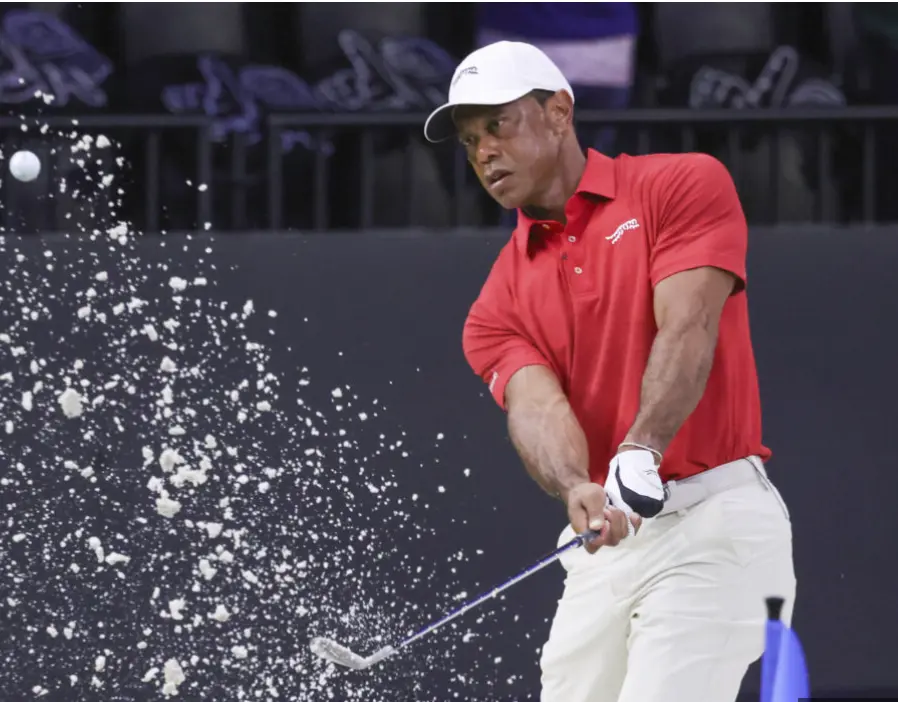
Fans discussing his comments frequently noted another interesting point. Despite acknowledging the demanding modern schedule, Scheffler never used it as an excuse for performance.
Instead, he framed the conversation around adaptation. Every generation, he suggested, must learn how to succeed within the environment that exists during its own era.
That perspective earned praise throughout the golf community. Many observers viewed it as a mature assessment rather than an attempt to diminish either today’s players or the legends of the past.
Tiger Woods’ name naturally remains central whenever discussions about dominance arise. His combination of major victories, world rankings and sustained excellence continues to represent the benchmark for every player who reaches the top of the sport.
Scheffler understands those comparisons better than most. As the current world No. 1, he knows every outstanding performance inevitably invites questions about how his achievements compare with Woods’ remarkable legacy.
Rather than avoiding those conversations, Scheffler addressed them respectfully. He acknowledged Tiger’s accomplishments while explaining that the competitive landscape surrounding modern players has changed considerably.
Golf fans appreciated that balance. Many felt his comments honored Woods without suggesting that current players face identical circumstances.
The discussion also highlighted how much professional golf continues evolving. New tournament formats, increased prize funds and expanded global schedules have reshaped the responsibilities facing today’s stars.
Players now balance competitive demands with media appearances, sponsor obligations and international travel more frequently than previous generations experienced. Managing those responsibilities has become an essential part of modern professional golf.
Scheffler’s comments encouraged many supporters to look beyond simple statistics. Greatness, they argued, cannot always be measured solely by victories or rankings because every era presents unique challenges.
That broader perspective sparked thoughtful conversations across golf forums. Fans compared competitive depth, equipment advances, travel demands and scheduling differences rather than focusing exclusively on championship totals.
The PGA Tour itself continues adapting as golf evolves. Changes to scheduling, tournament structures and qualification systems reflect ongoing efforts to balance player health, competitive integrity and fan engagement.
Scheffler’s willingness to discuss those realities demonstrated his growing leadership within the sport. As one of golf’s most respected figures, his opinions carry significant weight among fellow professionals and supporters alike.
His comments also reinforced another important point. Respect for Tiger Woods remains remarkably strong across every generation of golfers, regardless of changing schedules or competitive formats.
Current players frequently describe Woods as the standard that inspired their own careers. His influence extends far beyond statistics, shaping how professionals prepare, compete and approach the game itself.
For many fans, that may be the most meaningful part of Scheffler’s remarks. Rather than creating division between generations, they highlighted the enduring connection linking today’s stars with one of golf’s greatest champions.
As another busy PGA Tour season continues, discussions about scheduling will likely remain part of the sport. Yet Scheffler’s perspective reminds everyone that every era demands its own version of excellence.
Tiger Woods built his legacy under one set of circumstances. Scottie Scheffler continues building his under another, and golf fans across America remain fascinated by how both stories contribute to the ever-evolving history of the game.