
International media outlets have been offering a wide range of predictions ahead of the Argentina vs Austria match, reflecting the level of global attention surrounding the fixture. While pre-match analysis is a standard part of major international games, the diversity of opinions this time has drawn additional interest from fans. Much of the focus continues to revolve around Lionel Messi and his potential influence on the outcome.
Argentina’s status as one of the most closely followed national teams in world football ensures that every match is examined from multiple perspectives. Analysts often look at tactical setups, squad depth, and recent form to forecast possible scenarios. In this case, the conversation has expanded beyond simple predictions and into broader discussions about how Argentina might approach the game.
Austria, meanwhile, is frequently described in analysis as a disciplined and structured opponent capable of creating difficulties for stronger teams. Their organization and compact defensive style are often highlighted as key factors in pre-match evaluations. This has contributed to differing expectations about how the match could unfold depending on which team imposes its style of play.
What makes the discussion particularly interesting is the contrast in predicted outcomes presented by various outlets. Some analysts expect Argentina to control possession and dictate tempo throughout the match, while others suggest a tighter contest that could depend on small margins. This variation in opinion has naturally fueled debate among supporters and observers.
As is often the case with Argentina, Lionel Messi remains central to almost every prediction. His ability to influence matches through vision, creativity, and decisive moments continues to shape how opponents are analyzed. Even when tactical discussions focus on team structure, Messi’s presence is treated as a key variable that can change the entire dynamic.
Many analysts emphasize that Argentina’s attacking flow often improves when Messi is involved in the buildup. His understanding with teammates and ability to operate in tight spaces allows the team to unlock defensive systems that might otherwise remain stable. This is one of the reasons he continues to feature prominently in pre-match expectations.
At the same time, there is ongoing discussion about how Argentina balances its reliance on experienced leaders with the integration of younger players. The evolution of the squad has introduced more variation in attacking options and defensive stability. This blend of experience and youth is often highlighted as a defining feature of the current team.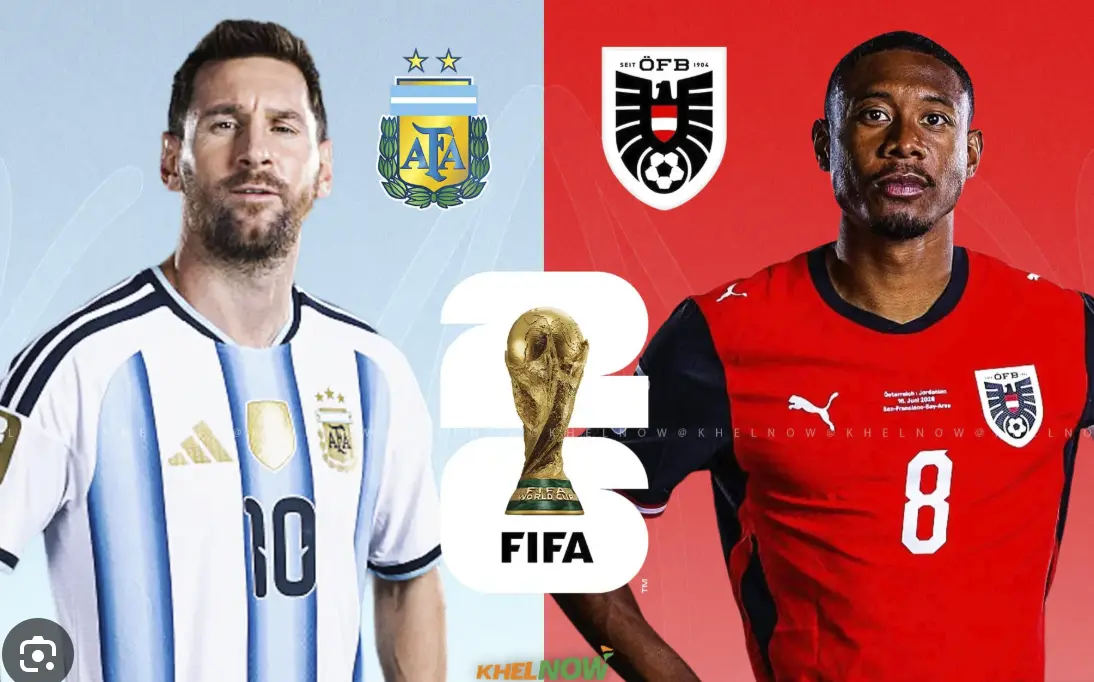
Austria’s tactical approach is also a major part of the analysis. Many previews suggest they will aim to remain compact defensively while looking for opportunities in transition. This type of strategy has historically created challenging situations for technically strong teams that prefer to control possession.
The combination of Argentina’s attacking identity and Austria’s structured approach has led to multiple predicted scenarios. Some forecasts suggest a controlled Argentine victory, while others anticipate a more competitive match where momentum could shift several times. This unpredictability is part of what makes international fixtures particularly compelling.
Public discussion surrounding the match reflects these differing viewpoints. Fans often engage with predictions by comparing strengths, weaknesses, and potential matchups across the pitch. Social platforms and football communities tend to amplify these debates, especially when a global figure like Messi is involved.
One recurring theme in these discussions is the expectation of decisive moments from key players. In matches of this scale, individual brilliance often becomes a determining factor when tactical structures neutralize each other. Messi’s reputation for producing such moments ensures that he remains at the center of attention.
Another aspect frequently mentioned in analysis is Argentina’s ability to manage pressure in high-stakes environments. Having experienced success in major tournaments, the team is often viewed as psychologically resilient. This mental strength is considered an important factor when evaluating their chances in closely contested matches.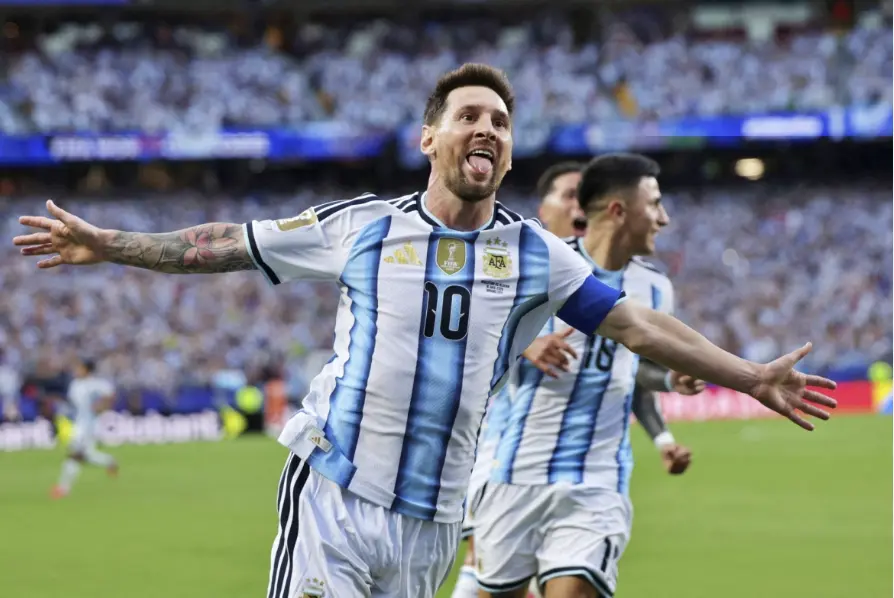
Austria’s challenge lies in maintaining consistency throughout the full duration of the match. Against top-level opposition, small lapses in concentration can have significant consequences. Analysts often point out that their chances depend heavily on discipline and execution in key phases of the game.
As match time approaches, predictions naturally become more focused on final scorelines and possible turning points. However, even the most detailed analysis acknowledges the inherent uncertainty of football. Unexpected developments, tactical adjustments, and individual moments can all influence the outcome.
Lionel Messi’s role continues to shape much of the narrative surrounding Argentina’s expectations. Even in matches where he is not the sole focus of tactical planning, his influence often alters how opponents prepare. This level of respect highlights his enduring presence in international football discussions.
The broader conversation also reflects how global football analysis has evolved. Media outlets now incorporate data, historical trends, and tactical modeling to create more detailed predictions. Despite this, the unpredictability of the sport ensures that no scenario can be guaranteed.
For Argentina, the match represents another opportunity to reinforce their identity as a competitive and adaptable team. Their ability to respond to different tactical challenges has become one of their defining strengths in recent years. This adaptability is often highlighted in pre-match evaluations.
Austria, on the other hand, approaches the fixture with the motivation of testing themselves against one of the strongest teams in world football. Matches of this nature provide valuable experience and an opportunity to measure progress at the highest level. This adds another layer of interest to the encounter.
As anticipation builds, the variety of predictions reflects the complexity of modern football analysis. Different perspectives contribute to a richer understanding of what might unfold, even if the final outcome remains uncertain. This diversity of opinion is part of what keeps global audiences engaged.
In the end, while predictions differ and scenarios vary, the focus inevitably returns to the same central figure. Lionel Messi continues to define expectations, influence analysis, and shape narratives whenever he steps onto the international stage. Regardless of the outcome, his presence ensures that the match remains one of the most closely followed events in world football.