For years, professional golf has been viewed as one of the most traditional and disciplined sports in the world. The image of calm competitors walking fairways, respecting opponents, and maintaining composure under pressure has long been part of the game’s identity. Yet a growing debate inside the golf world is challenging that perception, and at the center of the discussion stands one of the sport’s most recognizable analysts, Brandel Chamblee.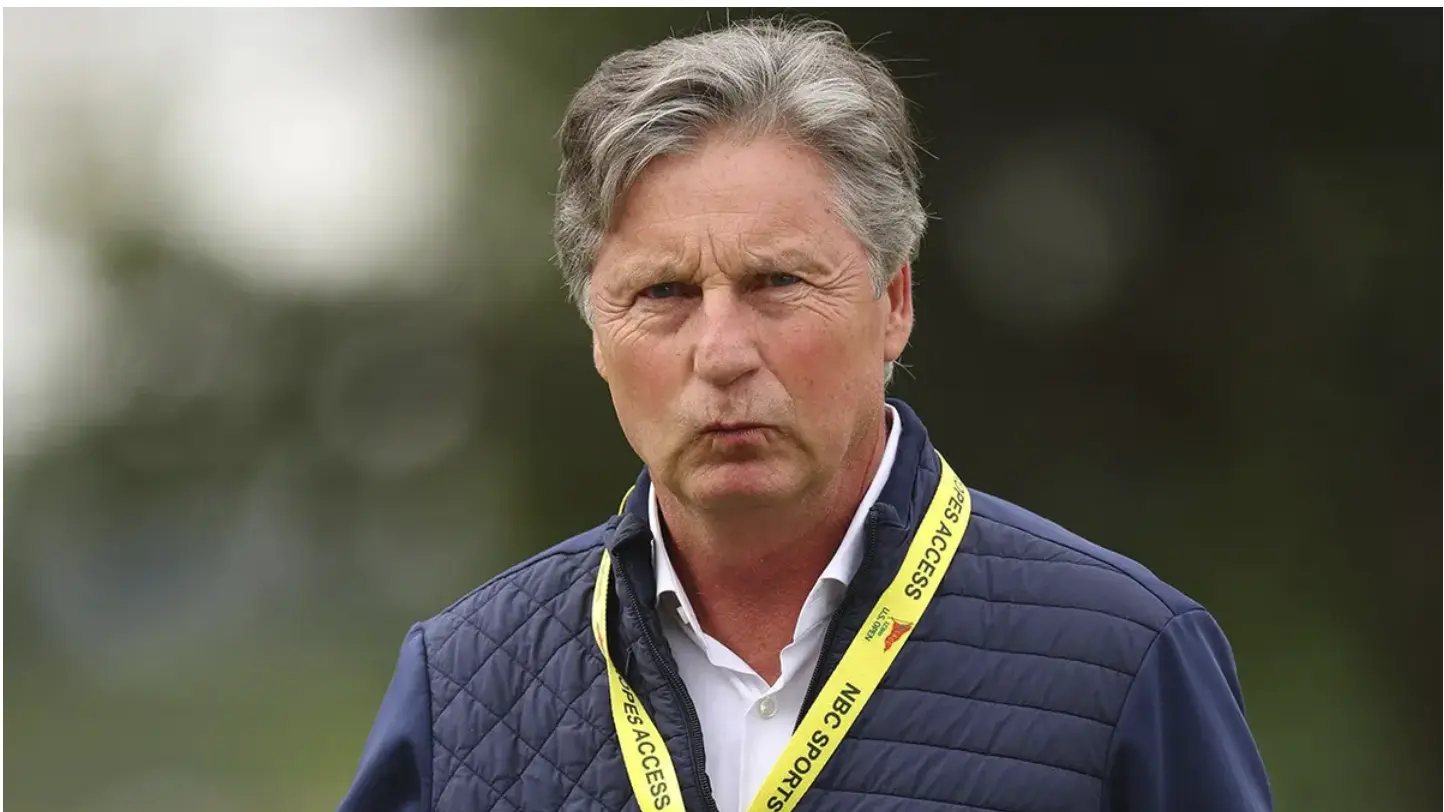
The controversy erupted after Chamblee openly criticized the increasing number of emotional outbursts seen on professional tours. His comments came during a broader conversation about player conduct, penalties, and the way golfers express frustration during competition. While many expected him to focus on current players, it was his remarks about Tiger Woods that captured the attention of fans across the sport.
According to Chamblee, modern golf has become far more accepting of profanity, club-throwing, and visible displays of anger than it was during previous generations. He contrasted today’s environment with the eras of legends such as Jack Nicklaus, Arnold Palmer, and Tom Watson, players he described as maintaining remarkable composure even during the most difficult moments of their careers.
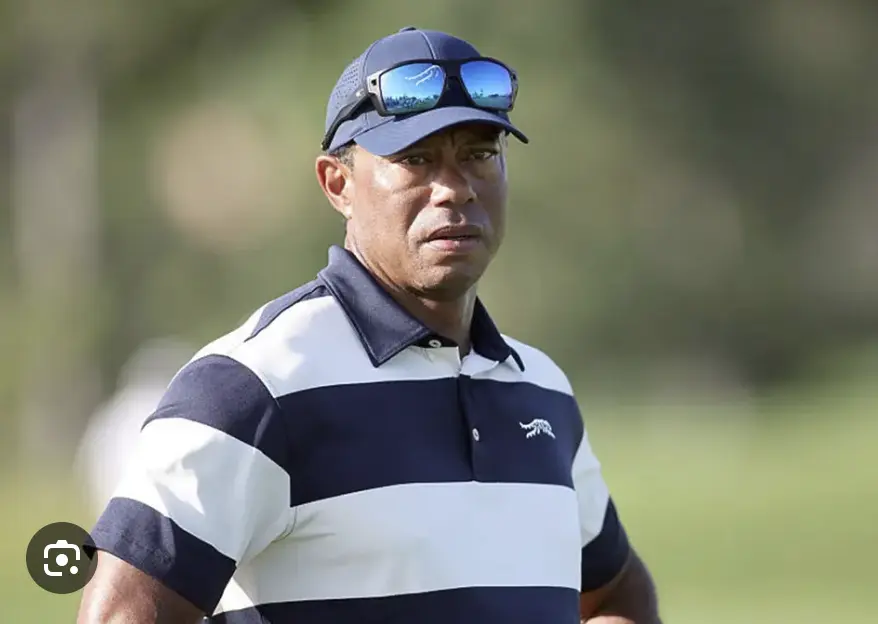
What surprised many observers was Chamblee’s argument that Tiger Woods, despite being one of the most beloved and influential figures in golf history, may have played a role in changing the culture of behavior on the course. Chamblee suggested that Woods was often seen displaying frustration, using strong language, and reacting emotionally during competition, yet rarely faced the level of criticism that other players might have received.
The comments immediately sparked debate among golf fans.
For some supporters, Chamblee was simply stating an uncomfortable truth. They argued that Woods’ enormous popularity often shielded him from criticism and that his influence on the modern game extended beyond swing mechanics, training methods, and athletic preparation. Because so many young golfers grew up idolizing him, they inevitably copied aspects of his competitive personality as well.
Others strongly disagreed.
Many fans pointed out that Woods competed during an era of unprecedented media coverage. Cameras followed him more closely than any golfer in history. Every reaction, every comment, and every moment of frustration was captured and broadcast around the world. Supporters argued that if other players had been monitored with the same intensity, audiences would have witnessed similar behavior from many of them. Community discussions online reflected this divide, with some users agreeing that top stars often receive different treatment, while others argued that Woods was criticized and fined numerous times during his career.
The discussion quickly evolved into something much larger than a conversation about one player.
It became a debate about professionalism in modern golf.
Many former players have acknowledged that competitive golf can produce extraordinary levels of frustration. Unlike team sports, golfers cannot rely on teammates to recover from mistakes. Every bad shot is personal. Every missed putt is visible. Every error remains on the scorecard.
That pressure can sometimes produce emotional reactions.
However, Chamblee’s central argument was not that players should never show emotion. Instead, he emphasized the importance of self-control and suggested that composure itself should be viewed as a competitive skill. In his view, maintaining professionalism under intense pressure is just as important as executing a difficult shot.
The timing of the debate also contributed to its impact.
Recent incidents involving player behavior have generated headlines throughout the golf world. Questions about conduct, penalties, and sportsmanship have become increasingly common topics of conversation. Chamblee used those incidents to argue that governing bodies should continue enforcing standards designed to protect the image of the sport.
Not everyone agrees with that approach.
Some fans believe golf should embrace greater authenticity from its stars. They argue that emotional reactions help audiences connect with athletes on a human level. In an era when sports compete for attention against countless entertainment options, visible passion can make events more compelling.
From this perspective, a frustrated reaction after a poor shot demonstrates how much the outcome matters.
 It shows competitors care deeply about their performance.
Supporters of this view often point to Woods himself as an example. His emotional intensity helped transform golf into a global spectacle. His celebrations became iconic. His determination inspired millions. His ability to connect with audiences extended far beyond traditional golf fans.
Even critics acknowledge the extraordinary impact Woods had on the sport.
His influence on television ratings, sponsorship revenue, tournament attendance, and player earnings is difficult to overstate. Many analysts consider him the single most important figure in modern golf history. That influence is one reason discussions about his legacy remain so powerful years after his competitive peak.
What makes Chamblee’s comments particularly notable is that they challenge a subject many people are reluctant to discuss. Criticizing a figure as influential as Woods inevitably generates strong reactions. Chamblee has developed a reputation throughout his broadcasting career for offering opinions that provoke debate, and this situation proved no different. Previous comments involving Woods have generated significant attention and controversy, illustrating how sensitive conversations about the golf legend can become.
Ultimately, the discussion reveals something important about the current state of golf.
The sport is continuing to evolve.
New generations of players bring different personalities, different communication styles, and different relationships with fans. Social media exposes every reaction instantly. Television coverage is more comprehensive than ever. The boundaries between competition, entertainment, and public image continue to blur.
As a result, questions about behavior, professionalism, and leadership are becoming increasingly significant.
Whether fans agree with Chamblee or not, his comments succeeded in reigniting a conversation that extends far beyond a single tournament or a single player. The debate touches on what golf represents, how athletes should conduct themselves, and what responsibilities come with being a global superstar.
For some, Tiger Woods remains the ultimate competitor whose passion helped revolutionize the sport.
For others, his career also serves as a reminder that greatness and scrutiny often travel together.
Either way, one fact remains undeniable: decades after changing golf forever, Tiger Woods still has the power to shape conversations throughout the sport, even when he is not the one hitting the shots.