Following Australia’s match against the United States at the 2026 FIFA World Cup, attention quickly shifted from the events on the field to the long-term future of the national team. As is common after major international tournaments, discussions emerged regarding the direction of Australian football, the development of the national squad, and the leadership required to guide the Socceroos through the next stage of their journey. Among the topics most frequently debated by supporters, analysts, and former players was the future of head coach Tony Popovic.
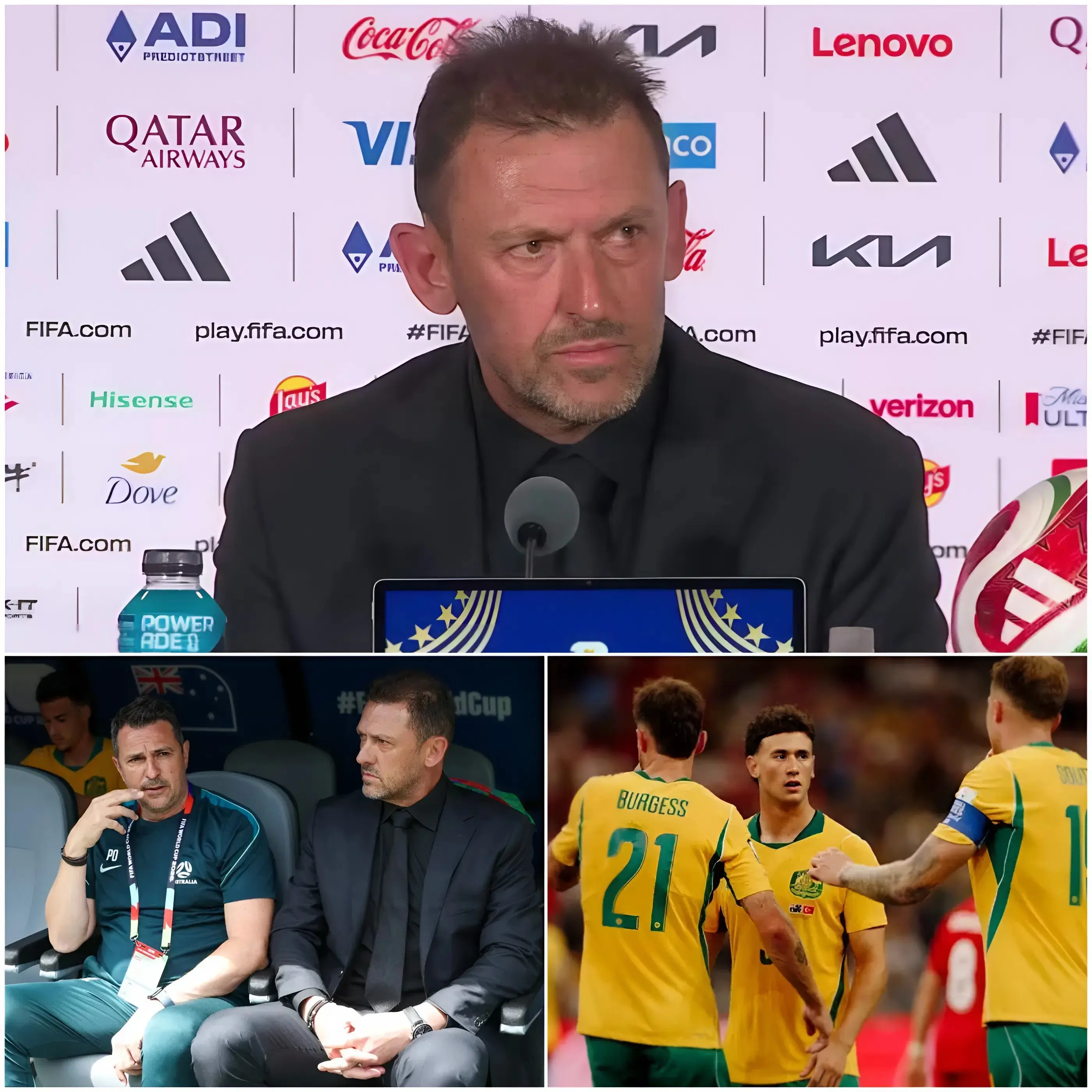
In the days following the conclusion of Australia’s World Cup campaign, Football Australia undertook a comprehensive review of the national team’s progress. Rather than focusing solely on results achieved during a single tournament, the governing body evaluated the broader development of the program, including squad culture, player progression, tactical growth, and long-term strategic objectives. After extensive discussions involving senior officials, technical staff, and key stakeholders, Football Australia reached a significant decision: Tony Popovic would remain as head coach of the Socceroos and would receive a contract extension, reaffirming the federation’s confidence in his leadership.
The announcement reflected a belief that stability and continuity are essential components of sustained success in international football. Football Australia emphasized that the development of a national team should be assessed over several years rather than judged exclusively on the outcome of one competition. While World Cups naturally attract enormous attention and expectations, administrators believed that the foundations established under Popovic warranted continued support.
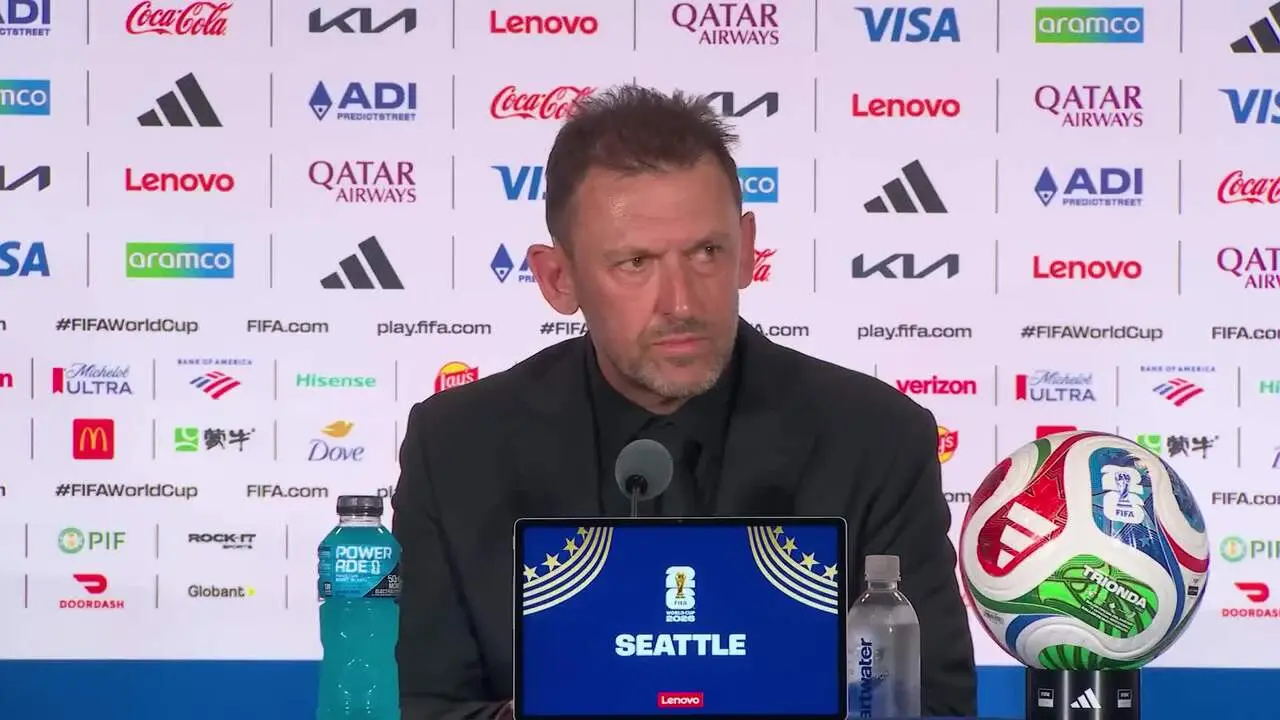
Since taking charge of the national team, Popovic has worked to implement a clear footballing philosophy while maintaining the competitive spirit that has long characterized Australian football. His tenure has been marked by efforts to blend experienced international players with a promising generation of emerging talent. This balancing act has been viewed as one of the most important aspects of the team’s ongoing evolution.
Officials involved in the review process reportedly highlighted the positive environment that has developed within the squad. Team unity, professionalism, and commitment were frequently cited as strengths of the current setup. In international football, where managers spend relatively limited time with players compared to club coaches, creating a cohesive culture is often regarded as one of the most challenging and valuable achievements.
Football Australia’s leadership also pointed to the increasing depth within the national team pool. Over recent years, a growing number of Australian players have established themselves in professional leagues around the world. Managing that expanding talent base requires careful planning and a consistent vision. According to those involved in the decision-making process, Popovic has demonstrated an ability to identify players who fit the team’s long-term objectives while creating opportunities for younger talents to gain international experience.
The contract extension was therefore seen not merely as a reward for past work but as an investment in the future. Federation officials expressed confidence that the progress already achieved could be built upon in the coming years. They believed that changing leadership at this stage would risk disrupting developmental programs that are still producing positive results.
An important factor behind the decision was the desire to maintain continuity ahead of future international competitions. With qualification campaigns, regional tournaments, and major championships on the horizon, Football Australia concluded that retaining the existing coaching structure would provide the team with the best opportunity to continue its development. Consistency in leadership allows players to become increasingly familiar with tactical expectations, training methods, and performance standards.
Throughout his coaching career, Popovic has earned a reputation for discipline, organization, and strategic preparation. Those qualities have been evident in his work with the national team. Players have frequently spoken about the clarity of his communication and the detailed preparation provided before matches. Such characteristics have helped establish trust between the coaching staff and the playing group.
The federation’s review also examined the tactical identity of the Socceroos. Modern international football demands adaptability, as teams often face opponents with vastly different styles. Under Popovic, Australia has sought to become more versatile while retaining traditional strengths such as determination, work ethic, and resilience. Football Australia believes that continuing this process under the same coach will accelerate the team’s overall growth.
Former players and football analysts reacted positively to the announcement. Many noted that successful national team projects often require patience and long-term commitment. Rather than making decisions based on short-term emotions, they argued that federations should focus on broader trends and sustained development. In that context, extending Popovic’s contract was viewed by many as a logical step.
Several observers pointed out that Australia’s football landscape has undergone significant changes in recent years. Increased investment in youth development, improved pathways for emerging players, and stronger connections between domestic and international football have contributed to a more competitive environment. Maintaining a stable national team structure is considered an important part of maximizing those improvements.
For the players, the decision provides clarity regarding the future direction of the team. Uncertainty surrounding coaching positions can sometimes become a distraction, particularly during transitional periods. By confirming Popovic’s continued leadership, Football Australia has removed speculation and allowed the squad to focus fully on preparation for future challenges.
The contract extension also sends a message about the federation’s broader philosophy. Rather than treating every tournament as an isolated event, Football Australia aims to build a sustainable program capable of delivering consistent performances over time. This approach recognizes that meaningful progress often occurs gradually and that long-term success requires patience, investment, and strategic planning.
Youth development remains one of the key pillars of that strategy. Australia possesses a growing number of talented young footballers competing domestically and abroad. The federation believes that these players can play a major role in the national team’s future, and Popovic is expected to continue integrating them into the senior setup. Providing opportunities for younger players while maintaining competitiveness at the highest level will remain a central objective.
In addition to player development, Football Australia plans to continue strengthening the support systems surrounding the national team. Areas such as sports science, performance analysis, medical services, and scouting have become increasingly important in modern football. Maintaining continuity within the coaching structure allows these departments to work more effectively toward shared goals.
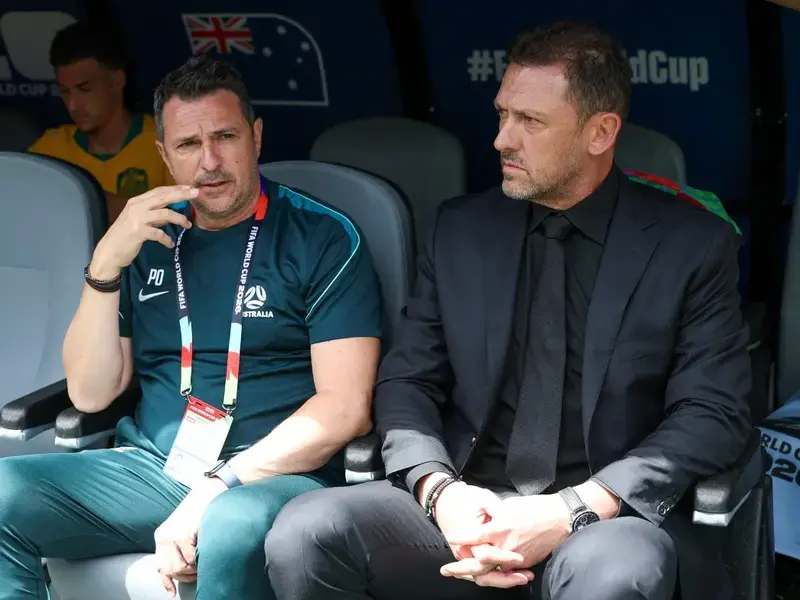
Supporters have also played a vital role throughout Australia’s recent international campaigns. The passion displayed by Australian fans, both at home and abroad, has provided valuable encouragement for the team. Federation officials acknowledged the importance of maintaining that connection and expressed hope that continued progress under Popovic would further strengthen the relationship between the national team and its supporters.
The years ahead will undoubtedly present new challenges. International football continues to evolve rapidly, and competition for qualification spots remains intense. Australia will need to continue improving in order to remain competitive against some of the world’s strongest football nations. However, Football Australia believes that the current leadership group is well positioned to guide the team through those challenges.
For Popovic, the contract extension represents both recognition and responsibility. The federation’s decision demonstrates confidence in his vision, but it also reflects expectations for continued improvement. The coach has consistently spoken about the importance of growth, learning, and maintaining high standards, and those principles are expected to remain central to the team’s development.
Looking toward the future, Australia aims to build on the progress achieved in recent years while preparing for the next cycle of international competition. The federation sees significant potential within the current player pool and believes that maintaining stability at the coaching level will help unlock that potential. Long-term planning, squad development, and a clear footballing identity are all expected to remain priorities.
Ultimately, Football Australia’s decision to extend Tony Popovic’s contract reflects a commitment to continuity and strategic development. While the outcome of any individual tournament can influence public debate, the federation chose to focus on the broader picture. Officials concluded that the foundations established under Popovic provide a strong platform for future growth and that continued collaboration offers the best path forward.
As Australia begins preparing for the next chapter in its football journey, the message from Football Australia is clear. The federation believes in the direction established under Tony Popovic and is prepared to support that vision for years to come. With a renewed contract, a developing squad, and a long-term strategy in place, the Socceroos can now turn their attention toward future opportunities, determined to continue building a competitive and ambitious national team on the international stage.