Football Legend Ryan Nelsen Points Out Three Critical Weaknesses in New Zealand National Team’s System
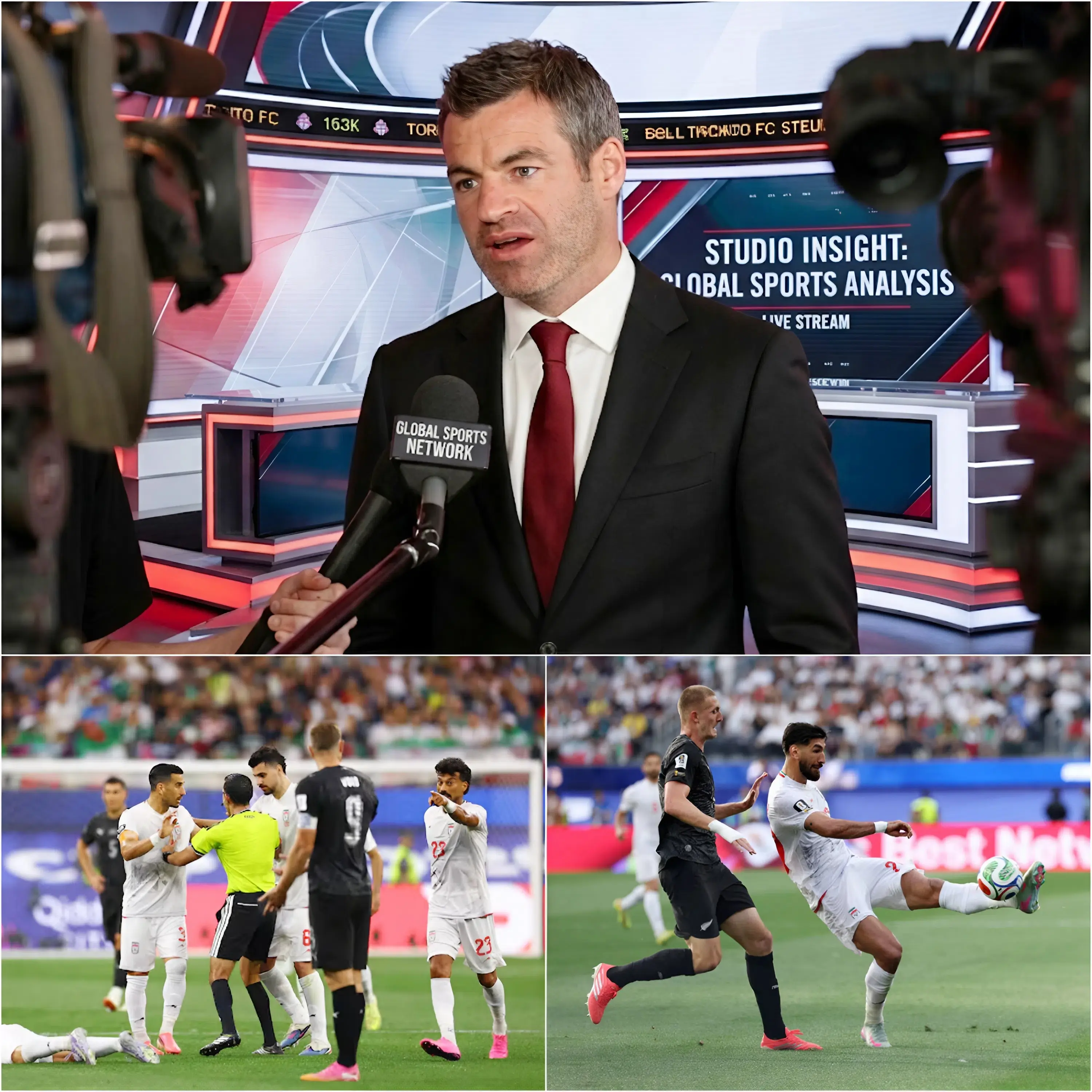
Football legend Ryan Nelsen, the former captain who led the All Whites to their historic unbeaten group stage campaign at the 2010 FIFA World Cup, has recently shared his candid assessment of the current New Zealand national team. In a frank discussion that has sparked debate among fans and analysts alike, Nelsen highlighted three critical weaknesses plaguing the side as they navigate the challenges of the 2026 World Cup.
Central to his concerns is the team’s defense, which he describes as the most pressing issue requiring immediate attention if New Zealand hopes to advance beyond the group stages and make a meaningful impact on the global stage.
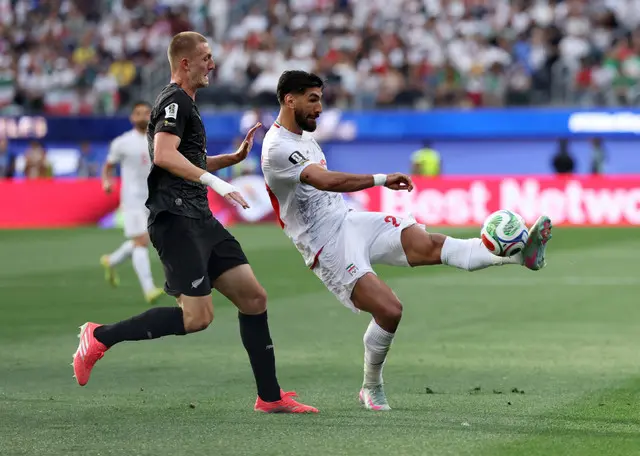
Nelsen’s comments come at a pivotal moment for the All Whites. Having qualified for the expanded 2026 tournament hosted by the United States, Mexico, and Canada, New Zealand finds itself in a competitive environment where tactical discipline and defensive solidity are non-negotiable. The team, under their current coaching setup, has shown flashes of promise, particularly in recent qualifiers and early group matches, including a resilient 2-2 draw against Iran. However, Nelsen believes that without addressing fundamental flaws, these moments of competitiveness could quickly unravel against higher-caliber opponents.

Drawing from his extensive experience as a Premier League defender with clubs like Blackburn Rovers and his leadership role in orchestrating one of New Zealand’s most memorable World Cup performances, Nelsen emphasized the need for a realistic evaluation. “The All Whites have come a long way since 2010 in terms of professionalism and squad depth,” he noted in his remarks. Yet, he pointed to systemic issues that could hinder progress. The first weakness he identified revolves around defensive organization and communication at the back.
In modern international football, where attacks are faster and more intricate, New Zealand’s backline often struggles to maintain a cohesive structure, leading to gaps that opportunistic strikers can exploit.
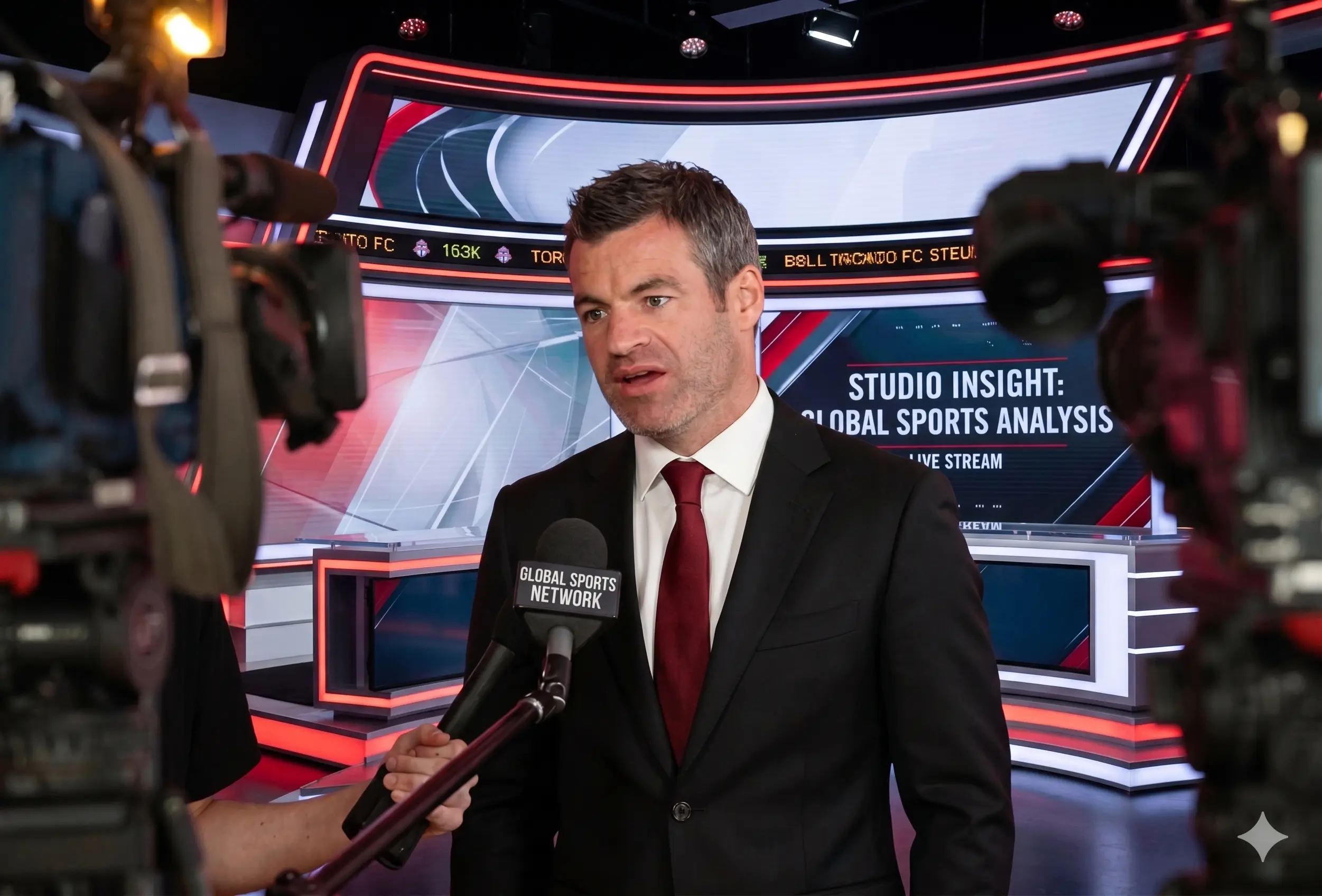
This defensive fragility was evident in moments during their qualification journey and early tournament games, where individual errors or misalignments allowed opponents to create scoring chances from seemingly controlled situations. Nelsen, who built his reputation on marshaling defenses with precision and authority, stressed that the current group of defenders—including talents like Tyler Bindon, Michael Boxall, and Liberato Cacace—possess the raw attributes but lack the synchronized understanding required at the highest level. He advocated for targeted training drills focused on positional play, quick decision-making under pressure, and better integration between the defensive unit and the midfield.
The second critical weakness outlined by Nelsen pertains to the midfield’s ability to provide adequate protection and transition play. He argued that while New Zealand has capable players who can contribute in attack, the midfield often becomes disconnected, leaving the defense exposed during transitions. In today’s game, successful teams rely on a compact midfield that can press high when in possession and drop deep to shield the back four. For the All Whites, this balance remains elusive, resulting in periods where they are overrun in central areas.
Nelsen suggested that coaching staff should prioritize tactical setups that emphasize midfield discipline, perhaps drawing inspiration from successful underdog stories where structured pressing and counter-attacking efficiency turned potential weaknesses into strengths.
This issue ties directly into the third weakness: overall squad depth and adaptability in high-stakes matches. Nelsen pointed out that while the starting eleven has improved significantly with players plying their trade in competitive leagues abroad, the bench options and rotation capabilities fall short. Injuries or fatigue can quickly disrupt the team’s rhythm, and the lack of versatile backups exacerbates problems in defense and midfield. He recalled his own experiences in 2010, where a tightly knit group with limited resources punched above their weight through sheer determination and tactical clarity.
For 2026, Nelsen believes New Zealand must invest in developing younger talents and ensuring that the entire squad is prepared for the physical and mental demands of a grueling tournament schedule.
Defense, however, remains the cornerstone of Nelsen’s critique. As a former central defender himself, he knows firsthand the importance of a rock-solid rear guard. “If the defense isn’t addressed immediately, the team will struggle to progress further,” he warned. In the context of Group G or whatever challenging draw awaits, facing sides with potent attacking threats means New Zealand cannot afford lapses. Recent performances have shown improvement, such as solid contributions from players like Chris Wood leading the line and defensive efforts in draws, but Nelsen insists on proactive reforms rather than reactive measures.
Analysts following New Zealand football have echoed some of these sentiments. The All Whites’ path to qualification showcased their fighting spirit, overcoming Oceania rivals with clinical displays. Yet, transitioning to World Cup level demands more. Nelsen’s insights serve as a timely reminder that legacy alone won’t suffice; evolution is key. Supporters hope his words motivate the team and coaching staff to refine strategies ahead of crucial fixtures.
Beyond the tactical breakdowns, Nelsen’s intervention highlights broader themes in New Zealand football’s development. The sport has grown leaps and bounds since his playing days, with more players securing professional contracts overseas and increased investment in youth academies. Programs aimed at high-performance training, including FIFA partnerships, have elevated standards. Still, bridging the gap between regional success and global contention requires addressing these pinpointed vulnerabilities head-on.
Fans have reacted variably to Nelsen’s comments. Some appreciate the honesty from a respected figure who understands the All Whites’ journey intimately, viewing it as constructive criticism. Others worry it could undermine team morale at a delicate stage. Nevertheless, the consensus leans toward progress: New Zealand’s inclusion in the 2026 World Cup is a milestone, and facing realities like defensive shortcomings could be the catalyst for improvement.
As the tournament unfolds, with New Zealand aiming to replicate or surpass their 2010 heroics, Nelsen’s three weaknesses offer a blueprint for introspection. Strengthening the defense isn’t just about personnel but about culture, preparation, and execution. The midfield must evolve to support rather than burden the backline, while depth ensures resilience across multiple matches. If implemented, these changes could propel the All Whites toward surprising results against formidable opponents.
Nelsen’s legacy as captain, leader, and advocate for New Zealand football adds weight to his analysis. His passion remains undimmed, as seen in recent reflections on past campaigns where he expressed lingering frustration over not advancing further in 2010. For the current generation, his words are both a challenge and an opportunity. Progress in football is rarely linear, and for a nation like New Zealand, every tactical insight counts toward building a more competitive future.
In summary, Ryan Nelsen’s recent spotlight on the All Whites’ defensive woes, alongside midfield and depth concerns, underscores the work ahead. With the 2026 World Cup providing a platform, addressing these areas promptly could define whether New Zealand exits early or scripts another unforgettable chapter in their football history. The eyes of the nation—and the football world—are watching to see how the team responds.